

Comparing Polymeric Sand vs. Traditional Joint Sand
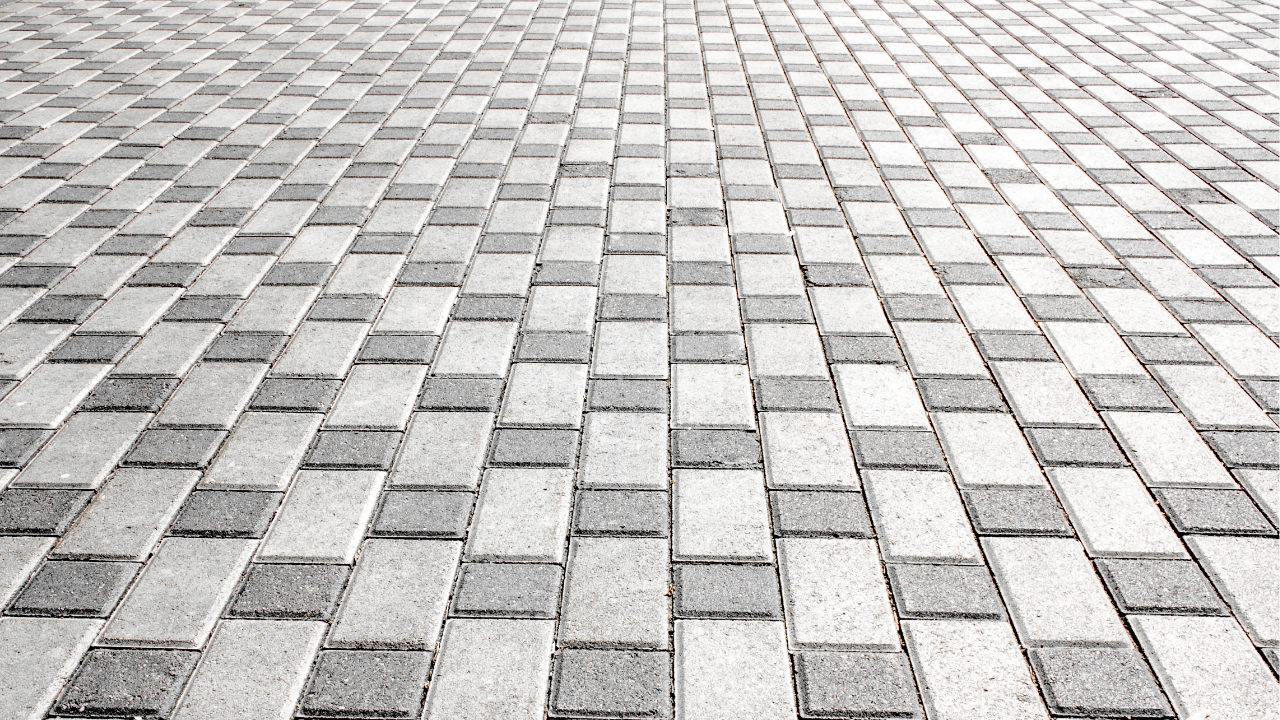
Residential and commercial brick pavers rely on stable joints to stay locked in place and look great over time. Choosing the right type of joint sand is crucial to prevent shifting, erosion, and long-term damage. At Brick Paver Creations, we help homeowners and property managers understand the differences between polymeric sand and traditional joint sand—and how the right choice affects brick paver repair, restoration, and ongoing maintenance.
What Is Traditional Joint Sand?
Traditional joint sand is simply dry sand that fills the gaps between bricks. It locks pavers together through friction and has been used for decades. Its advantages include affordability and easy installation, but there are limitations:
Erosion risk: Rain and cleaning can wash it out over time.
Weed and ant growth: Loose sand allows weeds to sprout and insects to nest.
Frequent maintenance: Regular replenishment is required to maintain stability.
Despite these drawbacks, traditional sand remains popular for residential pavers because it’s inexpensive and allows easy repairs or adjustments. Learn more about common brick paver problems that can occur when joints aren’t properly maintained.
What Is Polymeric Sand?
Polymeric sand is a mixture of fine sand and special additives that bind together when activated by water. Once set, it hardens, creating a stronger, longer-lasting bond between pavers. Its benefits include:
Improved stability: Hardened joints reduce shifting, meaning less brick paver repair.
Weed and pest resistance: Tight joints prevent weeds and insects.
Water resistance: Reduces erosion from rain or irrigation.
Reduced maintenance: Typically lasts for many years without needing replenishment.
For high-traffic areas or commercial properties, polymeric sand provides a durable, low-maintenance solution. See our guide on when to re-sand brick pavers for more details.
Choosing the Right Sand for Your Pavers
Selecting the right joint sand depends on location, traffic, and maintenance preferences:
1. Location and Traffic
High-traffic areas like driveways and commercial patios benefit from polymeric sand to keep pavers locked and stable. Low-traffic residential walkways may perform well with traditional sand if maintained properly. Learn why proper edge restraints prevent pavers from shifting.
2. Maintenance Preferences
Homeowners seeking low-maintenance options typically choose polymeric sand, while those comfortable with occasional replenishment can use traditional sand.
3. Longevity and Protection
Polymeric sand works well with brick paver sealing, offering extra protection against water, staining, and erosion. This combination extends the life of both residential and commercial pavers. For seasonal care, see best seasons for brick paver sealing.
The Role in Brick Paver Repair and Restoration
Joint sand is critical during brick paver repair or restoration. Loose or washed-out joints cause shifting, sinking, and uneven surfaces. Replacing old sand with the correct type ensures stability and prevents future issues. Pairing this with professional brick cleaning maximizes adhesion and long-term performance.
Maximize the Life of Your Pavers
Whether you choose traditional or polymeric sand, maintaining your joints is key to extending the lifespan of your brick pavers. Combined with routine brick cleaning and sealing, proper joint sand prevents erosion, shifting, and costly repairs or full restoration.
For expert advice and installation, visit our Contact page or call (708) 372-8481. Email brickpavers@comcast.net to schedule a consultation and ensure your residential or commercial brick pavers remain stable, beautiful, and low-maintenance for years to come.
Explore our full blog library for tips on paver repair, sealing, restoration, and maintenance.