

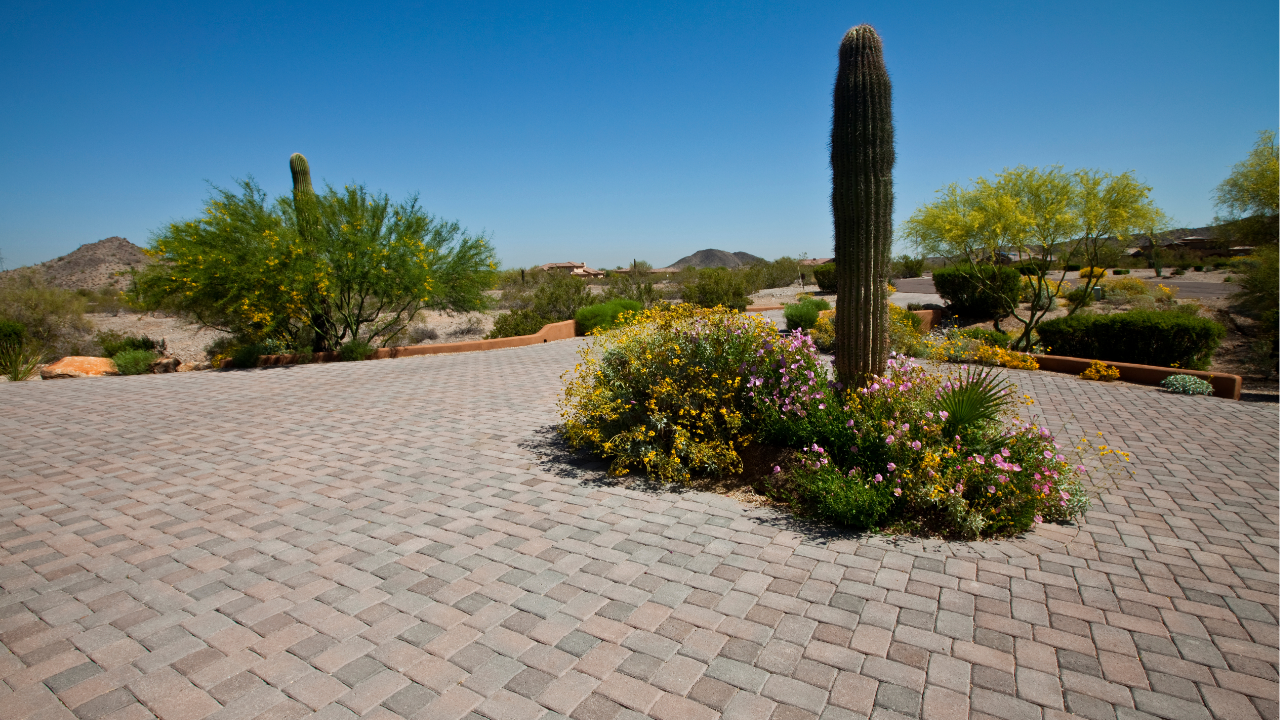
Brick paver driveways are known for strength, flexibility, and curb appeal. But even the toughest residential brick pavers have limits—especially when heavy vehicles are involved. Delivery trucks, work vans, RVs, and repeated heavy loads can quietly stress your driveway over time. The result? Shifting pavers, uneven surfaces, and costly repairs if the warning signs are ignored.
At Brick Paver Creations, we’ve spent more than 35 years helping homeowners protect and restore their brick paver surfaces. Just like professional landscape construction strengthens overall property value, a well-maintained driveway plays a key role in long-term durability and curb appeal. This aligns with the benefits outlined in The Top Benefits of Professional Landscape Construction for Your Property.
Let’s break down how heavy vehicles affect brick paver driveways—and what you can do to stay ahead of the damage.
How Heavy Vehicles Stress Brick Paver Driveways
Brick pavers work as a system. When weight is applied evenly, they perform well. When weight concentrates in one area, problems start to show—similar to what happens when drainage or base support is ignored in hardscape design, as explained in The Complete Guide to Hardscape Design and Installation.
Excessive Pressure on the Base
Heavy vehicles place extra pressure on the base beneath the pavers. Over time, that pressure can cause settling, especially in high-traffic zones like parking areas or turning points. Once the base shifts, pavers follow—leading to dips and uneven surfaces that require brick paver repair. This type of structural stress is also common in poorly planned driveways, much like the issues compared in Pavers vs. Concrete Driveways: Which Is Best for Your Portland Home.
Joint Sand Breakdown
The added movement from heavy loads can loosen joint sand. As the sand erodes, pavers lose their interlock and begin to shift. This often shows up as widening joints or pavers that feel loose underfoot.
Water Infiltration
When joints open up, water moves in more easily. That moisture weakens the base and accelerates wear, increasing the likelihood of needing brick paver restoration down the road. Proper drainage matters here, just as highlighted in The Importance of Professional Drainage Solutions in Landscaping.
Early Warning Signs Homeowners Shouldn’t Ignore
Heavy vehicle damage doesn’t happen overnight. It builds gradually. Watch for these early indicators:
Slight sinking where vehicles are parked most often
Uneven or rocking pavers
Loss of joint sand
Water pooling after rain
Visible separation between bricks
Catching these signs early allows for targeted brick paver repair instead of large-scale restoration—saving money and avoiding disruption.
Preventive Strategies That Protect Your Driveway
The smartest way to handle heavy vehicle impact is prevention. Brick Paver Creations focuses on maintenance strategies that strengthen and protect both residential brick pavers and commercial brick pavers, similar to how routine roof maintenance prevents larger structural failures over time.
Routine Brick Paver Inspections
Regular inspections help identify weak spots before they spread. Addressing small issues early keeps repairs manageable and affordable—just like routine inspections outlined in Why Routine Commercial Roof Inspections Save Businesses Thousands.
Professional Brick Cleaning
Brick cleaning removes dirt and buildup that trap moisture. Clean surfaces also allow for better joint stability and surface protection, especially in high-use areas.
Brick Paver Sealing for Added Durability
Brick paver sealing is one of the most effective protective steps homeowners can take. Brick Paver Creations uses a professional three-step sealing process that enhances color, helps stabilize joint sand, protects against stains, and improves overall durability. Sealing is especially important for driveways that regularly support heavier vehicles—similar to how proactive exterior maintenance protects siding and roofing systems over time.
When Brick Paver Repair or Restoration Is Needed
If heavy vehicle use has already caused visible damage, timely action matters. Brick paver repair can re-level affected areas, reset shifted pavers, and restore joint sand before the problem spreads.
In more advanced cases, brick paver restoration brings the surface back to proper grade and stability. This process corrects the underlying issues instead of masking the symptoms—protecting your driveway for the long haul. These long-term fixes mirror the value discussed in Structural Landscaping 101: How Reconstruction Elevates Long-Term Property Value.
Smart Habits That Reduce Heavy Load Stress
Homeowners can also reduce wear by:
Rotating parking positions when possible
Avoiding long-term parking of heavy vehicles in the same spot
Keeping edges and turning areas well-maintained
Scheduling sealing and cleaning before problems appear
These small adjustments go a long way toward extending the life of your brick paver driveway and boosting overall curb appeal—something also covered in How Landscape Construction Improves Curb Appeal.
Protect Your Investment with Local Expertise
Heavy vehicles don’t have to shorten the life of your driveway. With proactive care, professional brick paver sealing, and timely brick paver repair, your pavers can stay strong and attractive for years.
If your driveway is showing signs of stress—or you want to prevent damage before it starts—visit the Contact page to connect with Brick Paver Creations. Their experience, attention to detail, and focus on long-term solutions help homeowners protect their brick paver investment the right way.
For more about our team and approach, explore our About page or return to the Home page to see how we support smarter property maintenance from the ground up.