

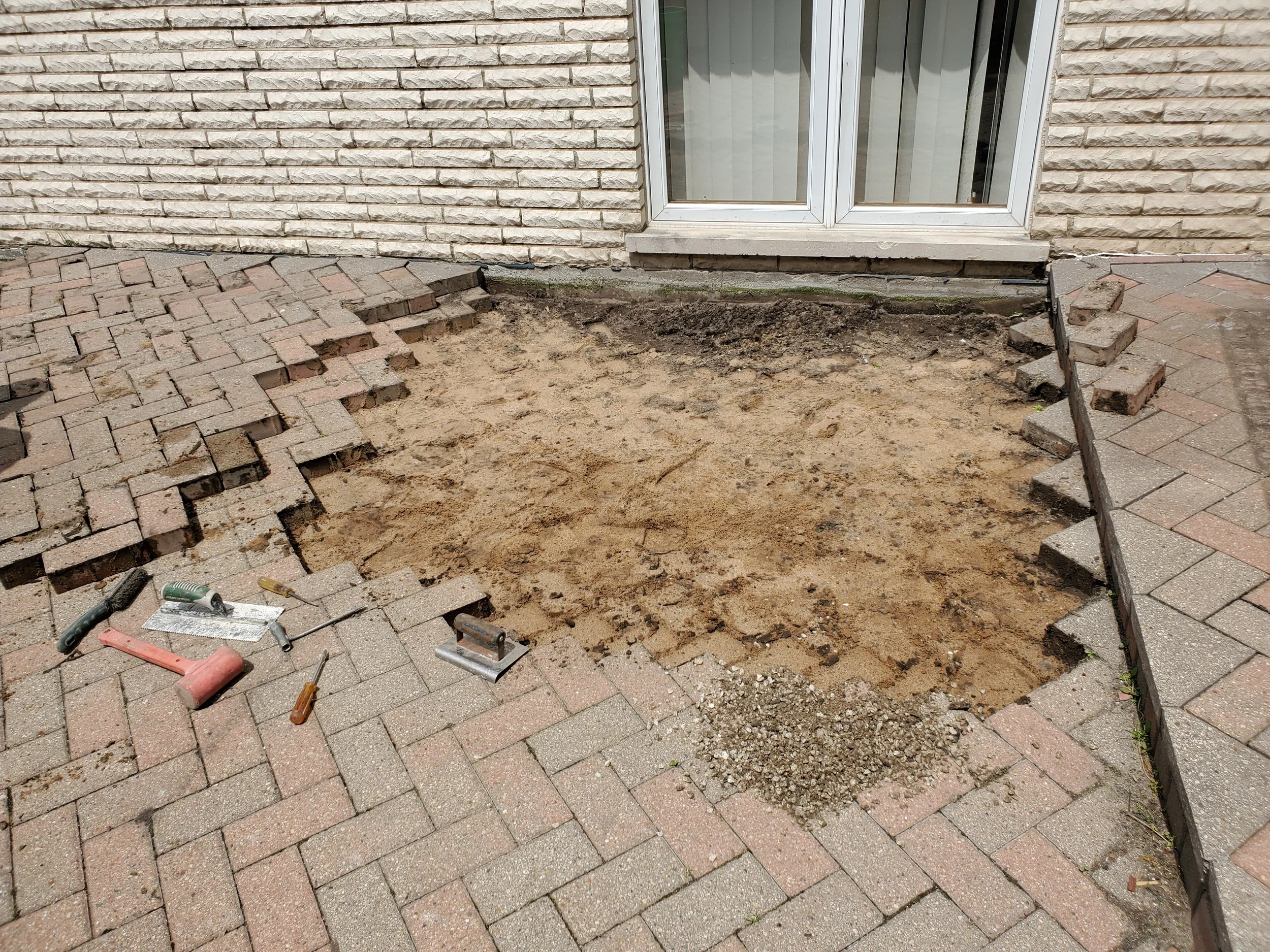
Heavy rainfall often reveals hidden weaknesses in outdoor surfaces. Brick pavers that once looked perfectly aligned can suddenly shift, sink, or develop uneven gaps. This happens across both residential and commercial spaces, especially when drainage, base preparation, or joint stability has been compromised over time.
Understanding why this happens and how to fix it early can save property owners from expensive repairs and long term surface damage.
Why Brick Pavers Shift After Heavy Rainfall
Brick pavers are designed to be flexible, but they depend heavily on a stable base and strong joint support. When heavy rain enters the picture, several natural forces begin to affect the structure.
Loss of joint sand stability
One of the most common issues is the gradual washing away of joint sand. Once this fine material is reduced, the locking system between pavers weakens. Over time, movement begins to appear across the surface.
Learn more about joint protection and stability in this detailed guide on brick paver joint sand basics.
Weak or saturated base layers
When water seeps below the surface, the foundation beneath the pavers softens. This leads to uneven settling and sinking. A strong base is essential for long term durability, and poor preparation is often the root cause. You can explore how proper installation affects stability in this article on paver installation issues and fixes.
Poor drainage around the surface
Water that does not flow away properly tends to collect under or around pavers. This constant moisture weakens the structure and increases shifting over time. Drainage is often the hidden factor behind recurring paver problems, as explained in why drainage affects paver driveways.
Natural wear from weather cycles
Seasonal changes, freeze and thaw conditions, and everyday use slowly impact alignment. Heavy rainfall simply speeds up these existing issues. This is especially common in regions with changing weather patterns, as discussed in how weather impacts brick pavers.
Early Signs Your Brick Pavers Are Shifting
Catching the issue early helps prevent large scale repairs later. Watch for these warning signs:
Uneven walking surface or wobbling pavers
Gaps forming between joints
Water pooling in specific areas
Loose sand appearing after rain
Edges lifting or sinking in sections
These signs often indicate the need for professional attention through brick paver repair and restoration.
How to Fix Shifting Brick Pavers Effectively
Fixing shifting pavers is not just about resetting the surface. It requires addressing the underlying cause to prevent the problem from returning.
Resetting and leveling the surface
Damaged areas are carefully lifted and the base is re leveled before reinstalling pavers. This restores proper alignment and stability.
Restoring joint sand strength
Fresh joint sand is added to lock pavers in place. This step is essential for preventing future movement and improving surface strength.
Improving drainage flow
Redirecting water away from the surface reduces pressure on the base layer. Without proper drainage correction, shifting is likely to return.
Cleaning before restoration
A deep surface clean ensures that sealing and repair materials bond properly. Professional brick cleaning and sealing services help prepare the surface for long lasting protection.
Why Sealing Matters After Repairs
Once repairs are complete, sealing helps protect the surface from water intrusion and joint sand erosion. It also enhances appearance and extends surface life.
You can explore expert techniques in this brick paver sealing guide and learn how it prevents future damage in sealing and maintenance insights.
When Full Restoration Is Needed
If shifting has spread across large areas or has been ignored for too long, full restoration may be required. This process rebuilds stability from the base up and restores the original look and strength of the surface.
Learn more about long term benefits in expert paver restoration advantages and why it plays a key role in surface longevity in why restoration matters.
Preventing Future Shifting Issues
Preventive care is the most effective way to protect brick pavers from heavy rainfall damage. Regular maintenance such as cleaning, inspections, and sealing helps maintain stability.
Explore helpful maintenance insights in preventive care for pavers and importance of regular cleaning.
Routine attention ensures surfaces remain strong, level, and visually appealing for years.
Final Thoughts
Brick paver shifting after heavy rainfall is a common issue, but it is also preventable and repairable. With timely repair, proper drainage correction, and professional sealing, you can restore both strength and appearance.
For expert help, visit Brick Paver Creations or learn more about services on the about page.
For consultations or service inquiries, reach out through the contact page or email brickpavers@comcast.net or call (708) 372 8481.
More insights and updates can be found in the full collection of paver blogs.