

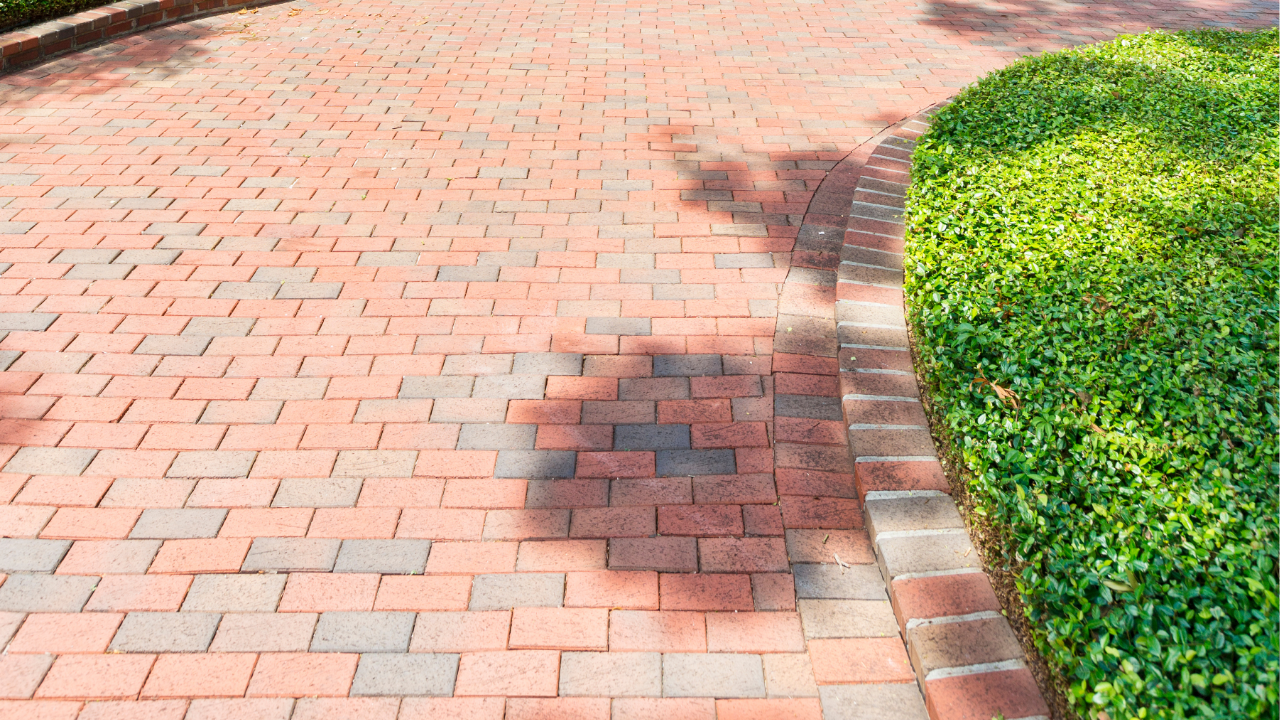
Residential and commercial brick pavers are built to last. They are strong, flexible, and great-looking. But even the best paver systems need care over time. Small issues can turn into expensive problems if ignored.
At Brick Paver Creations, we take a detailed, professional approach to brick paver repair and restoration. Below is a clear, pro-level checklist showing exactly what experts look for during a brick paver inspection—so nothing slips through the cracks.
1. Uneven or Sinking Pavers
Uneven pavers are usually the first red flag. Pros always start here.
They look for:
Pavers that rock or move when walked on
Low or sunken areas
Trip hazards on walkways, patios, or driveways
These issues often point to base problems. Fixing them early with targeted brick paver repair and restoration prevents widespread shifting later. For a deeper dive, see our guide on why brick pavers sink.
2. Joint Sand Condition
Joint sand keeps pavers locked together. When it fails, movement starts.
Experts inspect for:
Missing or eroded sand
Loose joints
Weeds or grass growing between pavers
Re-sanding and stabilizing joints is critical for both residential and commercial pavers. Learn more in Brick Paver Joint Sand 101 and when to re-sand brick pavers.
3. Surface Cracks or Chips
Small damage can grow fast if ignored.
Professionals check for:
Cracked edges
Chipped surfaces
Wear in high-traffic areas
Early repairs avoid full replacement. This approach aligns with our insights on repair or replace brick pavers.
4. Drainage and Water Issues
Water is the silent troublemaker.
Pros look for:
Standing water after rain
Poor slope or runoff
Washed-out base material
Bad drainage leads to sinking and long-term damage. Learn why in why drainage is the silent killer of brick pavers.
5. Stains, Dirt, and Surface Buildup
This is not just about looks. Dirt causes damage.
Experts focus on:
Organic growth like algae
Leaf and rust stains
Embedded debris
Professional brick cleaning and paver sealing restores appearance and protects the surface. Related reads include why brick paver cleaning is important and common brick paver stains and cleaning solutions.
6. Structural Integrity of Edges
Edge restraints hold everything together.
Pros inspect for:
Loose or failing edges
Eroded base along borders
Outward movement of pavers
Weak edges lead to chain-reaction shifting. See how this happens in how proper edge restraints prevent brick pavers from shifting.
7. Overall Wear and Longevity
Finally, experts step back and look at the full picture.
They consider:
Age of the installation
Residential vs. commercial use
Past repairs and maintenance
This helps decide between routine care, repair, or full restoration. Our article on why regular brick paver inspections save homeowners thousands breaks this down further.
Keep Your Pavers Safe and Looking Sharp
A professional inspection catches problems early. That means fewer repairs, lower costs, and better curb appeal.
Brick Paver Creations delivers expert repair, restoration, cleaning, and sealing backed by local experience. If your pavers show signs of unevenness, joint sand loss, or surface wear, now is the time to act.
Visit our Contact page, email brickpavers@comcast.net, or call (708) 372-8481 to schedule your evaluation. Smart maintenance today keeps your pavers strong, level, and good-looking for years to come.