

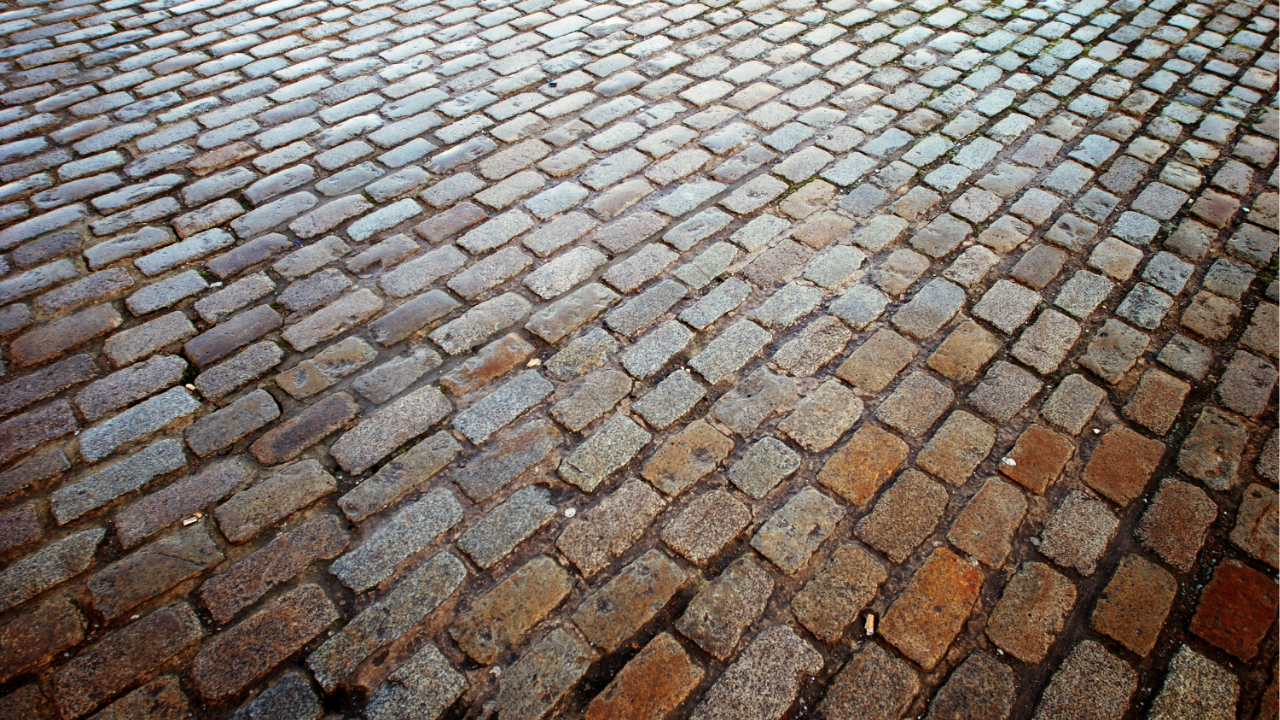
Your residential or commercial brick pavers are more than decorative surfaces—they’re investments that can last for decades when properly maintained. One of the most critical, yet often overlooked, aspects of long-term durability is joint stabilization. At Brick Paver Creations, we’ve seen how proper joint care prevents shifting, erosion, and costly brick paver repair or brick paver restoration. Understanding why joint stabilization matters—and how to achieve it—can save homeowners time, money, and headaches.
What Is Brick Paver Joint Stabilization?
Joint stabilization ensures the sand between your pavers stays in place and effectively locks the bricks together. It’s more than filling gaps—stabilized joints:
Keep pavers tightly interlocked, preventing movement
Resist erosion from water, foot traffic, and vehicles
Reduce weed growth and pest intrusion
Maintain an even surface for safety and appearance
Without proper joint stabilization, pavers can shift, settle unevenly, and require more frequent maintenance. For more tips on preventing common issues, check out our guide on common brick paver problems.
How Joint Sand Loss Impacts Paver Longevity
Over time, joint sand naturally erodes due to weather, cleaning, or heavy traffic. When this happens:
Pavers become loose and may rock underfoot
Gaps allow water to seep into the base, weakening the foundation
Uneven settling creates tripping hazards
The risk of full brick paver restoration increases
Regular maintenance of joint sand avoids these problems and extends the life of your residential or commercial brick pavers. Learn more about the importance of proper joint sand in our Brick Paver Joint Sand 101.
Benefits of Professional Joint Stabilization
At Brick Paver Creations, we combine brick cleaning, sand stabilization, and brick paver sealing to provide complete protection. Professional joint stabilization offers several key advantages:
Enhanced Structural Integrity
Keeping sand in place keeps pavers level and secure, reducing the need for frequent brick paver repair.
Water and Erosion Protection
Stabilized joints prevent water infiltration, protecting the base and reducing settling or shifting. Learn more in our guide on why drainage is the silent killer of brick paver driveways & patios.
Improved Aesthetics
Well-stabilized joints keep pavers looking clean and uniform. Combined with professional brick cleaning and sealing, your hardscape maintains its original vibrancy. Explore more in our restore brick patio beauty article.
Reduced Long-Term Costs
Investing in joint stabilization today prevents major issues tomorrow, saving money on extensive brick paver restoration.
Steps to Maintain Joint Stabilization
Maintaining joint sand is straightforward but requires consistency:
Regular Brick Cleaning – Remove dirt, debris, and organic matter that erode sand.
Joint Sand Replenishment – Fill gaps and compact sand to restore stability. Check out when to re-sand brick pavers for guidance.
Brick Paver Sealing – Lock in joint sand and protect against water and stains. Follow our step-by-step brick paver sealing guide.
Routine Inspections – Identify early signs of shifting or erosion and address them promptly with professional brick paver repair if needed.
Protect Your Investment with Expert Care
Joint stabilization may seem small, but it makes a huge difference in your pavers’ longevity and performance. Whether for a driveway, patio, or walkway, proper maintenance prevents shifting, uneven surfaces, and costly restoration.
Brick Paver Creations specializes in comprehensive brick cleaning, brick paver repair, joint stabilization, and brick paver sealing for both residential and commercial properties. By addressing joint sand proactively, you keep your hardscape safe, level, and visually appealing for years.
Schedule a professional consultation today to see how joint stabilization can extend the life of your brick pavers while reducing long-term maintenance costs.
Email: brickpavers@comcast.net
Call: (708) 372-8481
For more insights and tips, explore our blog library.