

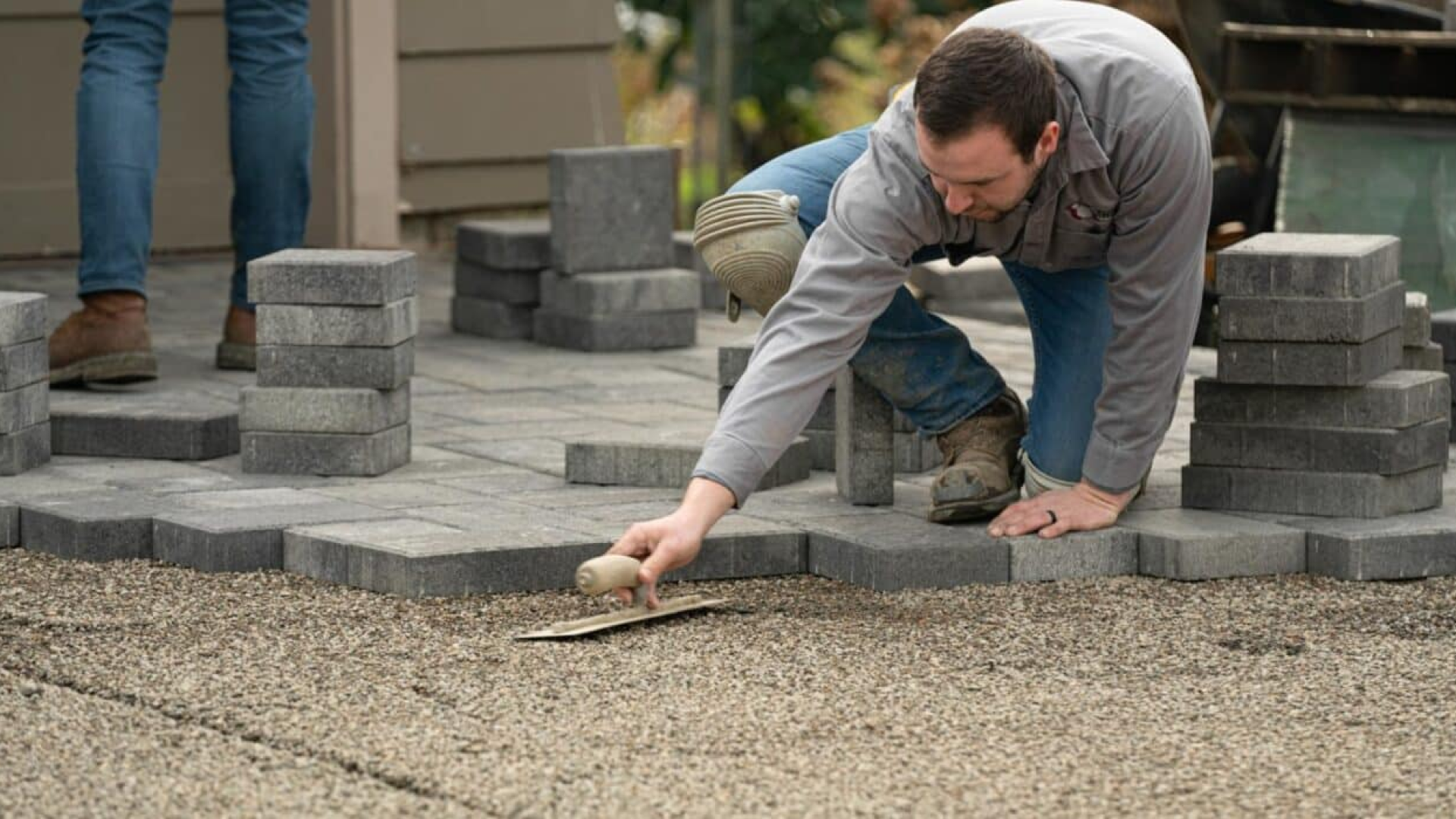
Brick paver surfaces are designed to provide a durable, attractive surface for driveways, patios, walkways, and other outdoor areas. But even high-quality brick pavers depend on what lies underneath them. When the soil beneath a paver system becomes heavily compacted, unevenly compacted, or unable to support proper drainage, the surface above can eventually become unstable.
For homeowners looking into brick paver repair near me, understanding the relationship between soil conditions, the base, drainage, and paver stability can make it easier to recognize problems before they become more extensive.
Brick Paver Creations has more than 35 years of experience maintaining and restoring brick paver surfaces throughout the Greater Chicago Metropolitan Area. Its approach focuses on identifying underlying problems rather than simply treating visible symptoms.
What Does Soil Compaction Mean for Brick Pavers?
Soil compaction occurs when soil particles are pressed more tightly together, reducing the open spaces between them. Some degree of properly prepared and compacted material is important when establishing a stable foundation.
The problem occurs when soil conditions are uneven or when changes in the underlying material contribute to movement, drainage problems, or instability.
Brick pavers do not exist independently from the materials beneath them. If the supporting layers are unstable, the pavers can eventually shift, settle, separate, or become uneven.
This is why professional brick paver restoration services should look beyond the visible surface when a problem develops.
How Compacted Soil Can Affect Paver Stability
One of the most important issues associated with the ground beneath brick pavers is uneven support.
When some areas provide stronger support than others, sections of the paver surface may respond differently over time. One portion may remain relatively level while another begins to settle.
Homeowners may eventually notice:
Sunken or uneven pavers
Pavers that shift or move
Low spots where water collects
Loose or separated pavers
Uneven walkways or patios
Water drainage problems
Areas that feel unstable underfoot
These symptoms do not necessarily mean that every paver needs to be replaced. In many cases, the important question is why the pavers became unstable in the first place.
Uneven Compaction Can Create Uneven Surfaces
Uniform support is important for a stable brick paver installation. If the supporting material beneath one area is different from another, the surface may not remain consistently level.
This can become especially noticeable in larger patios, walkways, and driveways where different sections experience different conditions.
A homeowner might see a section of pavers that appears lower than the surrounding area. Another section might rock slightly when walked across.
These visible changes can indicate that the supporting base or surrounding conditions need to be evaluated before simply cleaning or sealing the surface.
For more on identifying the causes of sinking, see why brick pavers sink.
Why Drainage Matters
Water and soil conditions are closely connected.
When water does not move away from a brick paver surface properly, certain areas can remain wet or develop persistent low spots. Over time, drainage problems can contribute to instability beneath pavers.
Brick Paver Creations identifies water pooling and low spots that hold water after rainfall among the common conditions requiring repair.
This is one reason a professional assessment should consider more than the pavers themselves.
If a patio or walkway repeatedly develops standing water, cleaning and sealing alone will not correct an underlying structural problem.
Homeowners can also learn more about why drainage is the silent killer of brick paver driveways and patios.
Compacted Soil vs. a Failing Paver Base
It is important to distinguish between soil conditions and the prepared base supporting the pavers.
The visible brick surface sits above underlying materials that help provide stability. Brick Paver Creations' repair process includes removing affected pavers, inspecting the base and surrounding area, adding or regrading compacted base material as needed, and reinstalling and leveling the pavers.
This approach addresses the supporting structure instead of simply correcting the appearance of the surface.
For homeowners considering brick paver repair, this distinction matters because sealing over an unstable area does not make the underlying problem disappear.
The role of base prep in successful brick paver repair provides additional information about the importance of the supporting base.
Signs Your Brick Pavers May Have a Stability Problem
You do not need to wait until a major section of your patio or walkway becomes uneven before considering an inspection.
Watch for changes such as:
1. Pavers That Rock Underfoot
If individual pavers move or rock when walked on, they may no longer have consistent support.
2. Sunken Areas
A section that sits noticeably lower than the surrounding surface can indicate settling or changes beneath the pavers.
3. Water Pooling
Low areas that hold water after rain can point toward drainage or surface-level problems that deserve attention.
4. Loose or Shifting Pavers
Pavers that move out of alignment may indicate problems with the supporting materials, joint sand, edge restraints, or surrounding conditions.
5. Separating Edges
Failed or weakened edge restraints can allow pavers to spread outward, creating visible gaps and instability.
For additional information, see how proper edge restraints prevent brick pavers from shifting over time.
6. Washed-Out Joint Sand
Missing joint sand can leave spaces between pavers where weeds can develop and individual stones can become less stable.
See also brick paver joint sand 101 for more information about joint sand and paver stability.
Why Repair Should Come Before Sealing
Professional brick paver maintenance often includes cleaning and sealing, but those services should not be used as substitutes for structural repairs.
Before cleaning and sealing, Brick Paver Creations carefully inspects paver surfaces for structural issues that should be corrected first.
The reason is straightforward: a clean, sealed surface can still have an unstable foundation.
A proper restoration may involve:
Inspecting the affected area
Removing damaged or affected pavers
Examining the underlying base
Repairing or regrading the supporting material as needed
Reinstalling and leveling the pavers
Addressing edge restraints where necessary
Stabilizing the repaired area
Preparing the surface for cleaning, sanding, and sealing
This sequence helps ensure that cosmetic improvements are not being applied over an unresolved stability problem.
For additional guidance, see why brick paver cleaning should precede sealing.
How Polymeric Sand Supports Paver Stability
Joint sand also plays an important role in maintaining the finished paver surface.
When joints lose sand, weeds can develop and pavers may have more opportunity to shift. Brick Paver Creations uses polymeric sand during its restoration and sealing process.
Polymeric sand creates a stronger bond between the pavers and helps prevent weed growth in the joints.
During the company's sealing process, the surface is professionally cleaned first. After the patio dries for approximately 24–48 hours, polymeric sand is applied to the joints before the sealer is applied.
For more information, see what is polymeric sand and why is it important.
This is one component of a broader maintenance approach rather than a replacement for correcting underlying base problems.
Why Professional Inspection Matters
It can be difficult to determine the cause of an unstable paver surface simply by looking at it.
A homeowner may see uneven bricks and assume that the pavers themselves are damaged. However, the underlying issue could involve settling, drainage, missing joint sand, edge restraint failure, or changes in the supporting base.
That is why professional brick paver restoration services begin with assessment and planning.
Brick Paver Creations emphasizes inspection, honest assessments, realistic timelines, and transparent pricing. Its restoration process is designed to identify the condition of the affected area before determining the appropriate repair approach.
Homeowners interested in the inspection process can also read what to expect in a brick paver site inspection from experts.
Maintaining Stable Brick Paver Surfaces
Preventive residential brick paver maintenance can help homeowners identify problems before they become more extensive.
Regularly look for:
New uneven areas
Loose or shifting pavers
Cracked or broken bricks
Persistent weeds
Missing joint sand
Standing water
Washed-out areas
Changes along paver edges
Cleaning is also important because dirt, algae, moss, weeds, stains, and discoloration can accumulate on paver surfaces. Professional cleaning can restore appearance while preparing the surface for fresh joint sand and sealing.
For more information about cleaning, see brick paver cleaning importance.
For older or heavily used surfaces, periodic inspection can be especially valuable.
What About Commercial Brick Paver Surfaces?
The same principles apply to commercial brick paver solutions.
Commercial paver areas can experience regular foot traffic and environmental exposure. When sections become uneven, loose, or damaged, the issue can affect both appearance and usability.
Identifying problem areas early allows property owners and managers to determine whether cleaning, maintenance, repair, or more extensive restoration is appropriate.
The goal is not simply to make the surface look better. It is to address the conditions affecting its stability and appearance.
Why Choose Brick Paver Creations?
Brick Paver Creations has specialized in maintaining, restoring, and extending the life of existing brick paver surfaces for more than 35 years.
The company serves homeowners throughout the Greater Chicago Metropolitan Area from its Homer Glen base and focuses specifically on brick paver maintenance and restoration.
Its approach is built around three stated values:
Quality First
Local Expertise
Honest Service
The company also emphasizes understanding the weather challenges experienced by properties in the Chicago area and providing personalized service.
For homeowners searching for local brick paver experts, that combination of long-term experience and specialized restoration knowledge can be valuable when a surface begins showing signs of instability.
Frequently Asked Questions
Can compacted soil cause brick pavers to become uneven?
Uneven conditions beneath a paver surface can contribute to inconsistent support and settlement. When pavers become uneven, the underlying base and surrounding conditions should be inspected rather than assuming the visible bricks are the only problem.
How can I tell if my brick paver base is unstable?
Common warning signs include sunken areas, uneven pavers, water pooling, loose stones, shifting edges, and pavers that move or rock when walked on.
Will sealing fix unstable brick pavers?
No. Sealing protects and enhances the paver surface, but it does not correct an underlying structural problem. Brick Paver Creations recommends addressing structural issues before cleaning and sealing.
Why does water pooling matter for brick pavers?
Persistent low spots can hold water after rainfall and may indicate drainage or settling problems. These conditions should be evaluated as part of a professional repair assessment.
Does missing joint sand affect paver stability?
It can. Washed-out or missing joint sand can contribute to loose joints and weed growth. Polymeric sand can help create stronger joints and prevent weeds, when applied as part of the appropriate restoration process.
Should pavers be cleaned before repair or sealing?
Cleaning is an important part of the restoration and sealing process, but structural problems should be identified first. Brick Paver Creations inspects pavers for issues that need correction before cleaning and sealing.
When should I consider brick paver restoration?
Consider an assessment when you notice persistent unevenness, sinking, shifting pavers, water pooling, damaged joints, weeds, or other changes that do not resolve through routine maintenance.
Conclusion: Stable Pavers Start Beneath the Surface
Brick paver stability depends on more than the appearance of the individual bricks. Conditions beneath the surface—including the supporting base, drainage, joint sand, and surrounding areas—can all influence how well a patio, driveway, or walkway performs over time.
When pavers begin sinking, shifting, separating, or holding water, simply cleaning or sealing the surface may not address the real cause. A professional inspection can help determine whether the problem involves the pavers themselves or the supporting conditions underneath them.
For homeowners and property owners in the Greater Chicago Metropolitan Area, Brick Paver Creations provides specialized brick paver cleaning, sealing, repair, and restoration services backed by more than 35 years of experience.
If your brick paver surface is becoming uneven or unstable, contact Brick Paver Creations to discuss the condition of your pavers and determine whether professional repair or restoration is appropriate.