What Does Brick Paver Restoration Include? A Complete Guide for Homeowners
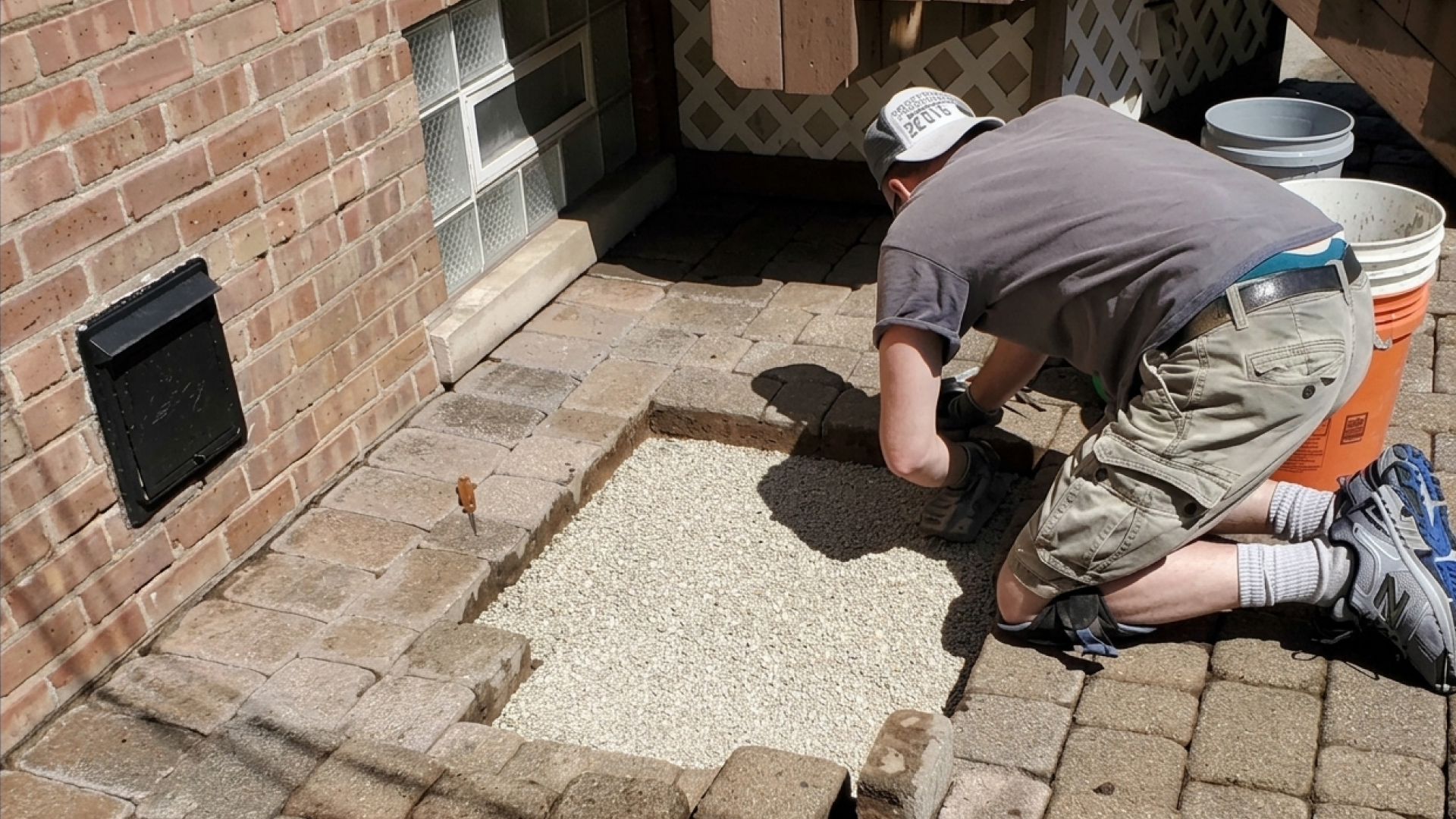
Brick pavers can give a patio, driveway, walkway, or pool deck a finished, attractive appearance, but outdoor paver surfaces do not stay in their original condition forever. Dirt accumulates, weeds can grow through joints, joint sand can erode, and some areas may become uneven or sunken. Seasonal moisture and freeze-thaw conditions in Illinois can add further stress to an outdoor hardscape.
Brick paver restoration is designed to address these problems without automatically treating the entire surface as a replacement project. Depending on the condition of the pavers, restoration may include inspection, deep cleaning, joint sanding with polymeric sand, repairs or leveling, and professional sealing.
For homeowners in Homer Glen and the Chicago Southwest Suburbs, understanding what restoration actually involves makes it easier to recognize problems early and determine which type of maintenance a paver surface may need. Brick Paver Creations specializes in brick paver cleaning, repair, restoration, polymeric sand installation, and sealing for outdoor hardscape surfaces.
What Is Brick Paver Restoration?
Brick paver restoration is the process of cleaning, repairing, stabilizing, and protecting an existing paver surface so it can function properly and maintain a well-cared-for appearance.
Restoration is different from simply washing the surface. A thorough restoration looks at the condition of the pavers and the joints between them. If there are loose areas, missing joint sand, weeds, stains, or uneven sections, those issues can require attention before the surface is sealed.
A typical restoration project may involve several services:
Inspection of the existing paver surface
Deep cleaning
Removal of weeds and organic buildup
Repair or leveling of uneven areas
Replacement or addition of joint sand
Polymeric sand installation
Professional paver sealing
Final inspection of the completed work
Not every project requires every step. The appropriate combination depends on what is happening on the particular patio, driveway, walkway, or other paver surface.
Why Do Brick Pavers Need Restoration?
Outdoor pavers are exposed to dirt, moisture, changing temperatures, foot traffic, vehicles, vegetation, and other everyday conditions. Over time, these factors can affect both the appearance and condition of the surface.
Dirt, Moss, Algae, and Organic Buildup
Pavers can become covered with dirt, grime, moss, algae, and organic staining. These deposits can make a once-clean patio or walkway appear dull and neglected.
Professional cleaning removes accumulated surface buildup and prepares the pavers for additional restoration work when needed. Brick Paver Creations describes deep cleaning as part of its restoration process, including the removal of dirt, algae, moss, stains, and weeds. Homeowners can also learn more about the importance of brick paver cleaning.
Weeds Growing Between Pavers
Weeds often become noticeable when the joints between pavers lose sand or accumulate organic material. Simply removing visible growth may not address the condition of the joints themselves.
A restoration project can include cleaning the joints and installing polymeric sand afterward. According to Brick Paver Creations, polymeric sand is used between brick pavers to provide joint stability and can help reduce future weed growth.
Uneven or Sunken Areas
Pavers can develop low, uneven, or sunken sections over time. These areas can affect the appearance of a driveway, patio, or walkway and may also create an uncomfortable walking surface.
Restoration can include repairs and leveling where necessary. The goal is to correct the affected section rather than assuming the entire hardscape needs to be replaced. For additional information, see how expert paver repair solves uneven and sunken areas.
Eroded Joint Sand
The material between individual pavers plays an important role in keeping the surface together. When joint sand has been lost or weakened, gaps can become more noticeable and weeds may find room to grow.
Replacing joint material with polymeric sand is one of the restoration services offered by Brick Paver Creations. Homeowners can also review brick paver joint sand 101 for additional information.
What Does a Brick Paver Restoration Process Include?
A professional restoration project generally follows a logical sequence. Each step prepares the surface for the next.
Step 1: Inspect the Existing Pavers
The first step is understanding the current condition of the surface.
An inspection can identify problems such as:
Weeds in the joints
Missing or eroded joint sand
Dirt and organic buildup
Stains or discoloration
Uneven sections
Sunken pavers
Areas that may require repair
Brick Paver Creations states that its process begins with an inspection before recommending the appropriate restoration approach.
This matters because two patios can look similar from a distance while having very different underlying maintenance needs. Homeowners can learn more about what to expect in a brick paver site inspection from experts.
Step 2: Deep Clean the Paver Surface
Cleaning is more than making the pavers look brighter. It prepares the surface for subsequent restoration work.
The cleaning process can remove dirt, grime, moss, algae, weeds, and organic staining. Once this buildup has been removed, the condition of the pavers and joints becomes easier to evaluate.
A clean surface also provides a better starting point for sanding and sealing. See why brick paver cleaning should precede sealing for more information about the relationship between cleaning and sealing.
Step 3: Address Weeds and Organic Growth
Weeds growing between pavers can be removed as part of the cleaning and restoration process.
Brick Paver Creations recommends eliminating weeds with a targeted herbicide before beginning the brick restoration process and identifies polymeric sand as a material that can help reduce future weed growth.
The key point is that weed removal and joint stabilization are related but separate tasks. Removing visible growth addresses the immediate problem, while properly treating the joints can help maintain the restored surface.
Step 4: Repair and Level Uneven Areas
If pavers have shifted or settled, cleaning alone will not correct the problem.
Restoration may include repairing or leveling uneven and sunken areas. This step is particularly relevant for walkways, patios, and driveways where changes in elevation can be noticeable.
The repair work should be based on the actual condition of the affected area rather than applying the same treatment to every paver surface. Underlying conditions can also contribute to instability, as explained in how compacted soil affects brick paver stability.
Step 5: Install Polymeric Sand
After appropriate cleaning and repair work, the joints between the pavers can be treated with polymeric sand.
Polymeric sand is designed to bind when activated with water. Brick Paver Creations describes it as a specialized material used between pavers to provide stronger joint stability than ordinary sand.
Proper joint treatment can be especially useful where previous sand has eroded, gaps have developed, or weeds have repeatedly appeared.
Step 6: Seal the Pavers
Sealing is another part of the restoration process. It is generally performed after cleaning and sanding when the surface is ready.
A professional paver sealer can enhance the appearance of the pavers while providing surface protection. Brick Paver Creations describes sealing as a way to enhance color, protect the surface, and support the longevity of the restoration.
Sealing should not be viewed as a substitute for repairing damaged or uneven pavers. Problems with the surface should be addressed as part of the restoration process before applying a protective finish. Homeowners can also learn about the difference between film-forming and penetrating products when choosing a brick paver sealer.
Step 7: Review the Completed Restoration
A final walkthrough gives the homeowner an opportunity to review the completed work.
Brick Paver Creations describes a final walkthrough as part of its service process and states that it reviews completed work with the customer.
This final review helps confirm that the cleaning, repairs, joint treatment, and sealing work have been completed as planned.
What Types of Surfaces Can Be Restored?
Brick paver restoration is applicable to several common outdoor hardscape areas.
Brick Paver Patios
Patios can accumulate dirt, organic growth, weeds, and joint-sand loss. Cleaning, sanding, repair, and sealing can be combined according to the condition of the surface.
Brick Paver Driveways
Driveways experience regular vehicle use and outdoor exposure. Uneven or sunken sections may require repair or leveling, while cleaning and sealing can address surface appearance and protection.
Brick Paver Walkways
Walkways benefit from attention to both appearance and surface condition. Uneven sections, gaps, and weed growth can become particularly noticeable on paths around a home.
Pool Decks
Brick Paver Creations also identifies pool decks among the outdoor surfaces it cleans and restores.
Because each surface has different exposure and use patterns, the appropriate restoration process should be determined after examining its condition.
Brick Paver Restoration vs. Replacement
One of the most common questions homeowners have is whether an aging paver surface needs to be completely replaced.
Restoration and replacement are not the same thing.
Restoration works with the existing paver surface by addressing problems such as:
Surface dirt and staining
Organic growth
Weeds
Missing joint sand
Uneven or sunken sections
Surface appearance
Need for sealing
Replacement, on the other hand, involves removing the existing surface and installing new materials.
A paver surface that looks worn does not automatically mean every paver needs to be replaced. Cleaning, repairs, leveling, joint stabilization, and sealing may address many common problems. An inspection is the practical first step for determining what work is appropriate. Homeowners can also read about when to choose restoration vs. full brick paver replacement.
What Are the Benefits of Professional Brick Paver Restoration?
Professional restoration can address several problems within one coordinated project.
A Cleaner Outdoor Surface
Deep cleaning can remove accumulated dirt, algae, moss, weeds, and organic staining, giving the pavers a cleaner appearance.
More Stable Paver Joints
Polymeric sand provides a binding material within the joints and is intended to improve joint stability.
Better Surface Appearance
Cleaning and sealing can improve the appearance of weathered pavers. Sealing may also enhance the natural color of the surface. Homeowners who notice changes in appearance after rainfall can learn more about why brick paver color changes after rain.
Attention to Uneven Areas
Repair and leveling services address areas where pavers have shifted or settled. This makes restoration more comprehensive than surface cleaning alone.
Protection for Outdoor Hardscapes
Professional sealing is intended to provide surface protection after the pavers have been properly cleaned and prepared.
Common Misconceptions About Paver Restoration
Understanding what restoration can and cannot do helps homeowners set realistic expectations.
“Cleaning Alone Restores Everything”
Cleaning can dramatically improve the appearance of dirty pavers, but it does not automatically correct structural or joint problems.
If pavers are uneven, sunken, or missing joint sand, additional restoration work may be necessary.
“Sealing Fixes Uneven Pavers”
Sealer protects and enhances the surface. It is not a substitute for leveling or repairing pavers.
If an area is uneven, that condition should be addressed as part of the repair process.
“All Paver Projects Need the Same Treatment”
Every outdoor surface has a different history and condition. A patio with surface dirt may require a different combination of services than a driveway with sunken sections and missing joint sand.
That is why inspection is an important starting point.
“Polymeric Sand Is Just Regular Sand”
Polymeric sand is specifically used as joint material for pavers and is designed to bind when activated with water. Brick Paver Creations uses it as part of its paver restoration approach.
How Should Homeowners Prepare for Paver Restoration?
A little preparation can make the restoration process easier.
Start by identifying the areas that concern you most. Look for weeds, stains, gaps, loose or uneven pavers, low spots, and areas where the surface has lost its original appearance.
It can also help to consider how the area is used. A driveway, walkway, patio, and pool deck can experience different types of wear, so pointing out specific concerns during an inspection gives the restoration professional useful information.
Homeowners should also ask what combination of cleaning, repair, sanding, and sealing is appropriate for the existing surface. A written estimate can provide a clearer understanding of the proposed work.
How Often Should Brick Pavers Be Maintained?
There is no single maintenance schedule that applies to every paver surface. The right timing depends on the condition of the hardscape and how quickly dirt, weeds, moss, algae, joint-sand loss, or other issues develop.
Brick Paver Creations' Homer Glen cleaning information recommends cleaning and sealing about every three years as part of ongoing maintenance.
Rather than waiting for severe deterioration, homeowners can monitor their patios, driveways, and walkways for visible changes. Early attention can make it easier to determine whether the surface needs cleaning, joint treatment, repair, leveling, sealing, or a combination of services.
What Should Homeowners Look for in a Paver Restoration Service?
Choosing a restoration professional involves more than comparing a cleaning price.
Look for a company that understands the individual components of a paver system, including the pavers themselves, the joints, joint sand, surface condition, and sealing process.
Useful questions include:
Will the surface be inspected before work begins?
Does the service include cleaning?
Can uneven or sunken areas be repaired?
Is polymeric sand available for joint stabilization?
Is sealing part of the restoration process?
What preparation is required before sealing?
What areas does the company serve?
Will the completed work be reviewed with the homeowner?
Brick Paver Creations states that it provides brick paver restoration, repair, cleaning, polymeric sand installation, and sealing throughout the Chicago South Suburbs, with Homer Glen as its core service area.
Brick Paver Restoration in Homer Glen and the Chicago Southwest Suburbs
Brick Paver Creations is based in Homer Glen and serves homeowners throughout the surrounding Chicago Southwest Suburbs. Its listed service areas include communities such as Orland Park, Frankfort, Mokena, New Lenox, Lemont, Lockport, Tinley Park, Naperville, Burr Ridge, Hinsdale, Western Springs, La Grange, Oak Brook, and other nearby communities.
The company states that it has more than 35 years of construction experience and specialized expertise in paver sealing and repair since 2020. Its website identifies cleaning, sanding, sealing, repair, and restoration as core areas of service.
For homeowners considering restoration, the useful starting point is an evaluation of the existing surface. From there, the project can be matched to the actual condition of the pavers rather than assuming that every surface needs the same treatment.
Conclusion
Brick paver restoration is a multi-step process designed to address the condition of an existing outdoor hardscape. Depending on what the surface needs, restoration can include inspection, deep cleaning, weed and organic-growth removal, repairs, leveling, polymeric sand installation, and professional sealing.
The most important distinction is that restoration is not simply about making pavers look cleaner. A complete approach considers both appearance and the condition of the paver joints and surface. Cleaning can remove buildup, repairs can address uneven areas, polymeric sand can stabilize joints, and sealing can provide additional surface protection and color enhancement.
For homeowners in Homer Glen and the surrounding Chicago Southwest Suburbs, understanding these individual steps makes it easier to identify paver problems and ask better questions before beginning a restoration project.
Frequently Asked Questions
What is included in brick paver restoration?
Brick paver restoration can include inspection, deep cleaning, weed and organic-growth removal, repairs, leveling of uneven areas, polymeric sand installation, and sealing. The exact combination depends on the condition of the existing surface.
How do you restore old brick pavers?
A restoration typically begins with an inspection and cleaning. If necessary, uneven or sunken areas are repaired, joints are treated with polymeric sand, and the cleaned surface may then be sealed.
Can brick pavers be restored instead of replaced?
In many situations, an existing paver surface can be restored through cleaning, repair, leveling, joint sanding, and sealing. Whether restoration is appropriate depends on the actual condition of the surface.
What does polymeric sand do between pavers?
Polymeric sand is a specialized joint material that binds when activated with water. It is used to improve stability between pavers and can help reduce future weed growth.
Should pavers be cleaned before sealing?
Cleaning is an important preparation step before sealing because accumulated dirt, organic growth, and other surface buildup should be removed first. Sanding and necessary repairs may also be completed before the sealer is applied.
Does sealing brick pavers prevent weeds?
Sealing and weed prevention are related to overall paver maintenance, but sealing should not be considered a complete solution for weeds growing in open joints. Proper joint preparation and polymeric sand installation can help reduce future weed growth.
How often should brick pavers be cleaned and sealed?
The appropriate schedule depends on the condition and exposure of the surface. Brick Paver Creations' Homer Glen cleaning information recommends cleaning and sealing approximately every three years as part of ongoing maintenance.
Can uneven brick pavers be repaired?
Yes. Repair and leveling can be part of a brick paver restoration project. The appropriate repair depends on the location and condition of the uneven or sunken area.
Can paver restoration remove moss and algae?
Professional deep cleaning can remove moss, algae, dirt, and other organic buildup from paver surfaces. The surface can then be evaluated for additional restoration work if needed.
What surfaces can receive brick paver restoration?
Brick Paver Creations provides restoration-related services for outdoor paver surfaces including patios, driveways, walkways, and pool decks.