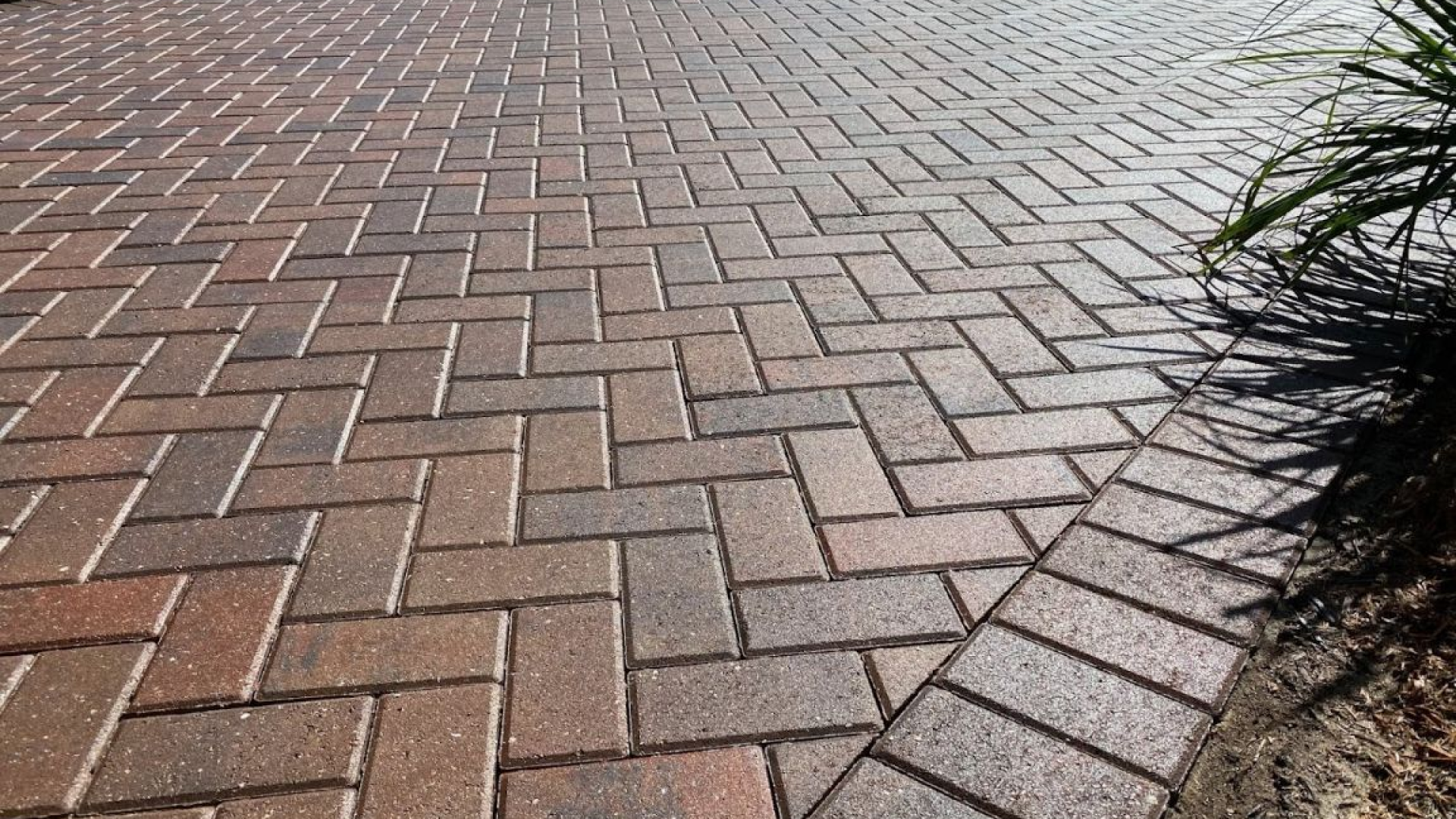
Brick pavers can last for many years, but their long-term condition depends heavily on how well they are maintained. Exposure to rain, snow, ice, sunlight, dirt, weeds, vehicle traffic, and seasonal temperature changes can gradually affect the appearance and stability of patios, driveways, walkways, and other paved surfaces.
Professional brick paver maintenance can help preserve an existing installation by addressing problems before they become more difficult to repair. Cleaning removes accumulated dirt and organic growth, sealing can help protect the surface, and repairs can correct issues such as loose, uneven, or damaged pavers.
So, how much life can professional brick paver maintenance actually preserve? There is no universal number of additional years because every paver installation is different. The type and condition of the pavers, drainage, installation quality, climate exposure, traffic, previous maintenance, and timing of repairs all influence longevity.
The more useful way to think about maintenance is this: professional care can help slow deterioration, preserve the condition of the pavers, and reduce the chance that manageable problems develop into major restoration work.
What Does Professional Brick Paver Maintenance Include?
Brick paver maintenance is more than simply washing the surface. A proper maintenance approach considers the condition of the entire paved area and identifies issues that could shorten its useful life.
Depending on the condition of the installation, professional maintenance may include cleaning, joint maintenance, sanding, sealing, resetting pavers, repairing damaged areas, and addressing weeds or organic growth.
Professional Brick Paver Cleaning
Over time, pavers collect dirt, dust, leaves, algae, moss, stains, and other surface contaminants. Some of these materials can make a paved area look neglected, while organic growth can contribute to slippery conditions and continued moisture retention.
Professional brick paver cleaning is designed to remove accumulated buildup without treating every surface as if it were the same. The appropriate cleaning method depends on the paver material, condition, staining, and surrounding environment.
Regular cleaning also gives homeowners an opportunity to identify problems that may not be obvious beneath layers of dirt and organic debris.
Brick Paver Sealing
Sealing is another part of paver maintenance that may help protect the surface and maintain its appearance.
A suitable paver sealer can provide a protective layer over the surface and may help reduce the effects of moisture, staining, and everyday exposure. The correct product and application method matter. Applying sealer to a dirty, damp, or improperly prepared surface can produce disappointing results.
Sealing should be considered part of an overall maintenance plan rather than a permanent shield against weather or wear.
Joint Sand Maintenance
The joints between individual pavers play an important role in the overall pavement system. Joint material helps keep pavers in position and contributes to the stability of the paved surface.
Over time, joint material can be displaced by weather, cleaning, traffic, weeds, and other factors. Maintaining those joints can help reduce movement between pavers and keep the surface more stable.
Paver Repair and Resetting
Maintenance may also reveal pavers that have shifted, settled, cracked, or become uneven.
Rather than waiting until a larger section becomes unstable, individual areas can sometimes be repaired or reset. Addressing localized problems early can help prevent further deterioration and preserve more of the original paved surface.
Professional paver repair can be particularly useful when uneven or sunken areas have already developed.
How Long Can Brick Pavers Last With Proper Maintenance?
There is no single lifespan that applies to every brick paver installation.
A well-installed and properly maintained paver surface can remain functional for many years, but its actual service life depends on factors beyond cleaning and sealing. A driveway exposed to vehicle traffic and winter weather experiences different stresses than a lightly used backyard walkway.
Professional maintenance does not create an unlimited lifespan. Instead, it helps preserve the condition of the existing installation and address deterioration as it appears.
The Installation Matters
The quality of the original installation has a major influence on long-term performance.
A properly prepared base, suitable drainage, appropriate compaction, correctly installed edge restraints, and properly placed pavers all contribute to a stable surface.
Maintenance can preserve a good installation, but it cannot completely correct fundamental problems underneath the pavers.
Understanding the role of base preparation in brick paver repair can help explain why underlying conditions matter so much.
Drainage Matters
Water is one of the most significant factors affecting outdoor hardscapes.
If water consistently collects on or beneath a paved surface, it can contribute to erosion, settling, joint deterioration, and movement. In climates that experience freezing temperatures, trapped moisture can also contribute to seasonal changes in the pavement.
Keeping drainage pathways clear and addressing persistent water problems can be an important part of long-term paver care.
Homeowners can learn more about brick paver drainage slopes and why proper water movement matters for long-term surface performance.
Traffic and Use Affect Wear
A residential walkway generally experiences less stress than a driveway used by multiple vehicles every day.
Furniture, grills, heavy planters, vehicle weight, repeated foot traffic, and other activities can also affect individual pavers and joints.
A maintenance plan should account for how the surface is actually used rather than assuming every paved area will age at the same rate.
How Professional Maintenance Helps Preserve Paver Life
The biggest benefit of maintenance is not necessarily making pavers last a specific number of extra years. Its value comes from slowing avoidable deterioration and dealing with smaller problems before they become larger ones.
1. It Removes Harmful Buildup
Dirt, leaves, organic growth, and other debris can remain on the surface for extended periods if a paved area is neglected.
Cleaning removes that buildup and gives the surface a fresh starting point for other maintenance work.
Homeowners should also be aware that pressure washing can damage brick pavers when inappropriate pressure or techniques are used.
2. It Helps Identify Problems Earlier
A professional cleaning or inspection can reveal issues such as:
Loose or displaced pavers
Uneven areas
Missing joint material
Cracked or damaged pavers
Weed growth
Drainage concerns
Persistent staining
Areas where the surface has begun to settle
Early identification gives homeowners more options for addressing the problem.
A professional brick paver site inspection can help identify conditions that may otherwise go unnoticed.
3. It Can Reduce the Need for Extensive Restoration
A small area of movement may be relatively straightforward to address. A larger section that has been allowed to deteriorate for years can require substantially more work.
Routine maintenance does not eliminate the possibility of major repairs, but it can help prevent neglect from becoming the reason a repair becomes larger than necessary.
4. It Preserves Appearance Along With Function
Paver maintenance is not only about structural condition.
Clean, properly maintained patios, driveways, and walkways generally look more consistent and cared for. Sealing and cleaning may help preserve the visual qualities that made the pavers attractive in the first place.
What Happens If Brick Pavers Are Not Maintained?
Neglected pavers do not automatically fail overnight. Deterioration is usually gradual.
A surface may first develop discoloration or organic growth. Later, joint material may become depleted, weeds may appear, and individual pavers may begin moving or settling.
If those conditions continue, water can find easier paths through weakened areas, movement can increase, and isolated problems may spread.
Common Signs That Pavers Need Maintenance
Homeowners should watch for changes such as:
Pavers that rock or move underfoot
Uneven sections
Paver joints with missing material
Weeds growing repeatedly between pavers
Moss or algae buildup
Standing water after rain
Heavy staining
Cracked or broken pavers
Areas that appear lower than surrounding sections
None of these signs automatically means the entire installation needs replacement. In many cases, the appropriate response depends on the cause and extent of the problem.
For example, why weed growth between brick pavers keeps returning can depend on more than simply removing visible weeds.
Professional Maintenance vs. DIY Paver Maintenance
Homeowners can handle some basic maintenance tasks themselves. Sweeping debris, removing leaves, and keeping drainage areas clear are simple steps that can support the condition of a paved surface.
Professional maintenance becomes more useful when the work involves specialized cleaning, sealing, joint maintenance, resetting pavers, or diagnosing an underlying problem.
What Homeowners Can Do Regularly
Simple maintenance can include:
Sweep leaves, dirt, and debris from the surface.
Remove weeds before they become established.
Watch for standing water after rainfall.
Look for pavers that have shifted or settled.
Address spills and stains before they become difficult to remove.
Keep drainage paths and nearby areas clear.
These steps do not replace professional maintenance, but they can help homeowners notice changes sooner.
When Professional Attention Makes Sense
Consider professional help when you notice recurring weeds, significant staining, uneven pavers, widespread joint deterioration, persistent organic growth, or areas that appear to be settling.
Professional assessment is particularly useful when the cause of a problem is unclear. Cleaning a symptom without addressing the underlying issue may only provide a temporary improvement.
How Often Should Brick Pavers Be Professionally Maintained?
There is no universal maintenance schedule for every property.
A paved driveway in an area with heavy vehicle use and significant seasonal weather may require different attention from a lightly used patio. The condition of the pavers is a more useful guide than following an arbitrary calendar.
Homeowners should monitor their surfaces throughout the year and arrange maintenance when visible deterioration begins to appear.
A Practical Maintenance Cycle
A basic cycle can include:
Regular observation: Check for movement, weeds, stains, drainage issues, and damaged pavers.
Routine cleaning: Remove dirt, leaves, and organic growth before buildup becomes extensive.
Periodic professional maintenance: Have the surface professionally evaluated and maintained according to its condition.
Repair when needed: Reset or replace individual pavers and address joint problems rather than allowing small defects to spread.
Sealing when appropriate: Apply a suitable sealer when the pavers and existing surface condition make sealing beneficial.
This approach is more practical than assuming every property needs exactly the same treatment at the same interval.
Does Sealing Make Brick Pavers Last Longer?
Sealing can contribute to surface protection, but it should not be presented as a guarantee of extended lifespan.
The benefits depend on the paver material, sealer, preparation, application, exposure, and condition of the installation. A sealer also cannot correct a poorly prepared base, drainage failure, severe settling, or damaged pavers.
Proper preparation is particularly important. Dirt, moisture, efflorescence, existing coatings, and other surface conditions can affect the result.
Sealing Is Only One Part of Maintenance
A common misconception is that sealing alone will preserve a paver installation indefinitely.
In reality, long-term care is more comprehensive. Cleaning, joint maintenance, drainage management, repairs, and appropriate sealing all address different aspects of paver maintenance.
The goal is to maintain the whole system rather than rely on one treatment.
For homeowners considering protection, understanding film-forming vs. penetrating products can help put sealing choices into perspective.
How Weather Affects Brick Paver Longevity
Outdoor pavers have to withstand changing weather throughout the year.
Rain can introduce moisture into joints and surrounding areas. Snow and ice expose surfaces to winter conditions. Freezing and thawing can contribute to movement when water is present beneath or around the pavement.
Sunlight and temperature changes also contribute to normal outdoor wear.
Why Seasonal Inspection Helps
A seasonal inspection can reveal changes that occurred during the previous months.
For example, homeowners may notice newly uneven pavers after winter or increased organic growth during wetter periods. Identifying those changes early creates an opportunity to address them before they become more extensive.
This is especially relevant for patios, driveways, and walkways exposed to the variable weather conditions common in the Chicago-area suburbs.
Homeowners can also learn about how weather impacts brick paver integrity in the Midwest.
Common Misconceptions About Brick Paver Maintenance
Understanding what maintenance can and cannot accomplish helps homeowners set realistic expectations.
Myth: Brick Pavers Never Need Maintenance
Pavers are durable, but durable does not mean maintenance-free. Outdoor surfaces are continuously exposed to weather, moisture, traffic, dirt, and organic growth.
Myth: Pressure Washing Alone Is Enough
Cleaning is useful, but maintenance may involve much more than surface washing. Joint condition, drainage, movement, damaged pavers, and sealing requirements also deserve attention.
Myth: Every Uneven Paver Means the Whole Patio Is Failing
A localized uneven area may result from settling, drainage, root growth, or another specific issue. The appropriate repair depends on the cause.
Myth: Sealing Makes Pavers Maintenance-Free
Sealing can provide protection and improve appearance, but sealed surfaces still need appropriate care and periodic evaluation.
How to Decide What Maintenance Your Pavers Need
Homeowners do not have to guess based solely on appearance.
Start by considering the condition of the surface and how it has changed over time. Ask a few practical questions:
Are individual pavers moving?
Are joints missing material?
Is water pooling anywhere?
Are weeds returning quickly?
Is organic growth widespread?
Are stains becoming more difficult to remove?
Has the surface become noticeably uneven?
Are pavers cracked or damaged?
The answers can help determine whether the property primarily needs cleaning, sealing, localized repair, or more extensive restoration.
A professional evaluation can be particularly useful when several problems appear at once.
Practical Ways to Preserve Brick Paver Life
Long-term paver care does not have to be complicated. Consistency is usually more useful than waiting until a surface looks severely deteriorated.
Keep Surfaces Clean
Remove leaves, dirt, and other debris regularly. Organic material left on a damp surface can contribute to unwanted growth and discoloration.
Address Small Problems Promptly
A loose paver or small area of joint deterioration is worth investigating before the affected area becomes larger.
Pay Attention to Water
Notice where water goes after rainfall. Persistent pooling can be a sign that drainage or grading deserves closer attention.
Use Appropriate Maintenance Methods
Not every cleaning product, pressure-washing technique, or sealer is suitable for every paver surface. Using the wrong approach can create unnecessary surface problems.
Think Long Term
Maintenance should be viewed as ongoing care rather than a one-time project. A homeowner who monitors the surface, keeps it clean, and addresses problems as they develop has a better opportunity to preserve the existing installation.
What Is the Main Benefit of Professional Brick Paver Maintenance?
The main benefit is preservation.
Professional brick paver maintenance helps homeowners protect an existing investment by keeping the surface clean, identifying developing problems, maintaining joints, addressing localized damage, and using sealing when appropriate.
It cannot guarantee a particular lifespan because paver longevity depends on installation quality, materials, drainage, use, weather exposure, and other conditions.
Still, proactive maintenance can make a meaningful difference between a paved surface that is consistently cared for and one that is left to deteriorate until extensive restoration becomes necessary.
For homeowners in Homer Glen and Chicago's Southwest Suburbs, professional cleaning, sealing, repair, and restoration can be part of a practical long-term strategy for maintaining patios, driveways, walkways, and other brick paver surfaces.
Conclusion
Professional brick paver maintenance does not come with a guaranteed number of additional years. Instead, its value lies in preserving the condition of the installation and slowing preventable deterioration.
Cleaning removes accumulated contaminants and organic growth. Joint maintenance helps support stability. Repairs address localized movement and damage. Sealing, when appropriate, can provide additional surface protection. Regular inspections help homeowners spot drainage problems, settling, weeds, and other concerns before they become more extensive.
The most effective approach is proactive rather than reactive. Keep the surface clean, pay attention to changes, address small problems early, and use professional maintenance when the work requires specialized knowledge or equipment.
With consistent care, homeowners can give their brick paver patios, driveways, walkways, and other hardscapes a better opportunity to remain attractive and functional for many years.
Frequently Asked Questions
How long do brick pavers typically last?
Brick paver longevity varies considerably based on installation quality, materials, drainage, traffic, weather exposure, and maintenance. A properly installed surface that receives appropriate care can remain useful for many years, but there is no single lifespan that applies to every property.
Does professional cleaning extend the life of brick pavers?
Professional cleaning can help preserve pavers by removing dirt, organic growth, stains, and other buildup. Cleaning also provides an opportunity to identify developing problems such as damaged pavers, deteriorating joints, or drainage concerns.
How often should brick pavers be sealed?
There is no universal sealing schedule. The appropriate timing depends on the type and condition of the pavers, the existing sealer, exposure, and the performance of the surface. A professional evaluation can help determine whether resealing is appropriate.
Can sealing prevent brick pavers from cracking?
Sealing can help protect the surface from certain forms of exposure, but it cannot guarantee that pavers will never crack. Cracking or damage can result from movement, impact, installation problems, weather, or other causes that a surface sealer cannot eliminate.
What causes brick pavers to become uneven?
Uneven pavers can result from settling, erosion, drainage problems, inadequate base preparation, root growth, heavy loads, or other conditions. The correct repair depends on identifying the underlying cause rather than simply leveling the visible surface.
Is pressure washing safe for brick pavers?
Pressure washing can be appropriate for some paver surfaces when performed correctly, but excessive pressure or improper techniques can damage surfaces or displace joint material. The equipment, pressure, cleaning method, and condition of the pavers should all be considered.
How can I stop weeds from growing between pavers?
Regular removal, maintaining healthy joints, keeping the surface clean, and addressing conditions that encourage weed growth can all help. If weeds repeatedly return across a large area, the condition of the joint material may need professional attention.
Can individual damaged pavers be replaced?
Yes, individual pavers can often be removed and replaced when the surrounding installation is otherwise in good condition. Matching the replacement paver and correcting the reason the original paver became damaged or displaced can help produce a better long-term result.
Does brick paver maintenance prevent the need for restoration?
Maintenance can reduce the likelihood that minor problems develop into larger issues, but it cannot prevent every type of deterioration. Older or significantly damaged installations may eventually require more extensive repair or restoration.
What is the best way to preserve brick pavers long term?
The best approach is consistent care: keep the surface clean, monitor drainage, maintain the joints, address damaged or uneven areas promptly, and use professional cleaning, repair, restoration, or sealing when appropriate. Early attention generally gives homeowners more opportunities to preserve the existing surface.