

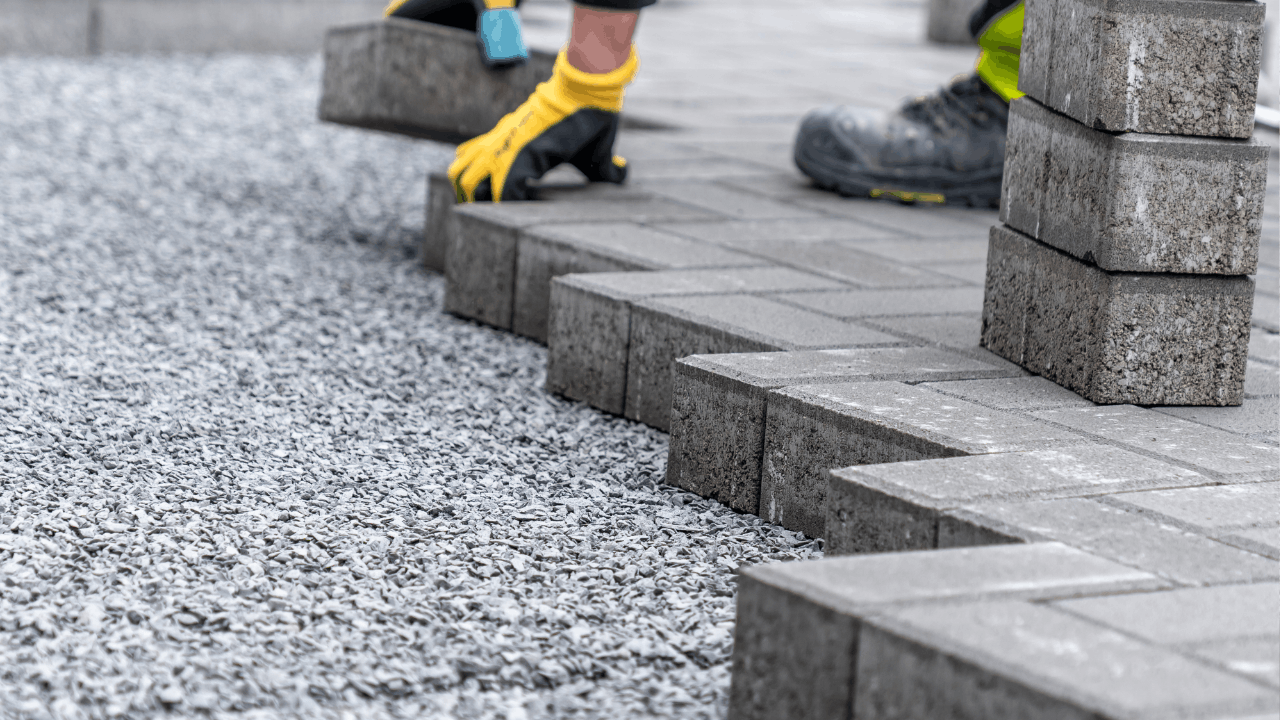
Residential and commercial brick pavers bring charm, durability, and value to any property. But even well-installed pavers can shift over time. Uneven surfaces, loose bricks, and sinking areas aren’t just an eyesore—they can create tripping hazards and lead to more costly damage if left untreated. At Brick Paver Creations, we specialize in brick paver repair and restoration, brick cleaning, and brick paver sealing to keep your hardscapes looking great and functioning safely.
Why Brick Pavers Shift
Shifting happens when the base under your pavers becomes unstable or uneven. Common causes include:
Heavy traffic: Frequent vehicle use, especially on residential brick pavers designed for light loads, can compress the base. Learn more in our post on how heavy vehicles impact brick pavers.
Water infiltration: Rain and runoff can erode joint sand and weaken the base, as explained in why drainage is the silent killer of brick paver driveways & patios.
Poor installation: Missing edge restraints, inadequate compaction, or improper joint sand can lead to early shifting. See what happens when brick pavers are installed incorrectly and how to fix it.
Once pavers start moving, both the surface’s look and structural integrity suffer. Acting quickly prevents minor issues from turning into expensive repairs.
Step 1: Professional Assessment
Expert brick paver repair begins with a detailed site inspection. Our team examines both residential and commercial pavers for:
Uneven or wobbly pavers
Cracks, chips, or missing bricks
Eroded joint sand
Sinking or lifted areas
By identifying the root cause of shifting, we can create a repair plan that solves the underlying problem—not just the symptoms. Learn more in what to expect in a brick paver site inspection from experts.
Step 2: Targeted Brick Paver Repair
After the inspection, we use professional repair techniques tailored to your pavers:
Replacing damaged bricks: Cracked or broken pavers are swapped with matching bricks. Read more in brick patio and driveway repair tips.
Re-leveling uneven areas: Pavers are lifted, the base is re-compacted, and bricks are reset to restore stability. For safety-focused insights, see brick paver leveling prevents trip hazards.
Refilling joint sand: Stabilized joints prevent movement and strengthen the overall surface. Dive deeper into brick paver joint sand basics.
Both residential and commercial pavers benefit from these repairs, stopping further shifting before it affects larger areas.
Step 3: Brick Cleaning and Sealing
After repair, professional brick cleaning removes dirt, moss, and debris that can trap moisture and compromise stability. Once clean, brick paver sealing provides long-term protection:
Locks joint sand in place to maintain a stable surface
Shields pavers from water penetration, stains, and weather damage
Enhances color and appearance
Regular maintenance—including cleaning and sealing—significantly extends the life of both residential and commercial pavers. For step-by-step guidance, see our brick paver sealing guide.
Preventing Future Shifting
Repair is only part of the solution. Long-term stability comes from preventive measures:
Proper edge restraints: Prevent pavers from moving over time. Read how proper edge restraints prevent brick pavers from shifting.
Avoiding heavy vehicles on residential surfaces
Scheduling periodic inspections and maintenance
Following these steps keeps your pavers flat, functional, and visually appealing for years.
Preserve Your Investment
Shifting brick pavers don’t have to lead to expensive restoration. Early professional intervention with brick paver repair, brick cleaning, and sealing protects both the aesthetic and value of your property.
At Brick Paver Creations, we help homeowners and businesses maintain the integrity and beauty of their pavers. Schedule an inspection today via our Contact page, call (708) 372-8481, or email brickpavers@comcast.net to keep your hardscape secure and stunning.
Explore more tips and solutions in our blogs on paver repair, maintenance, and restoration.