

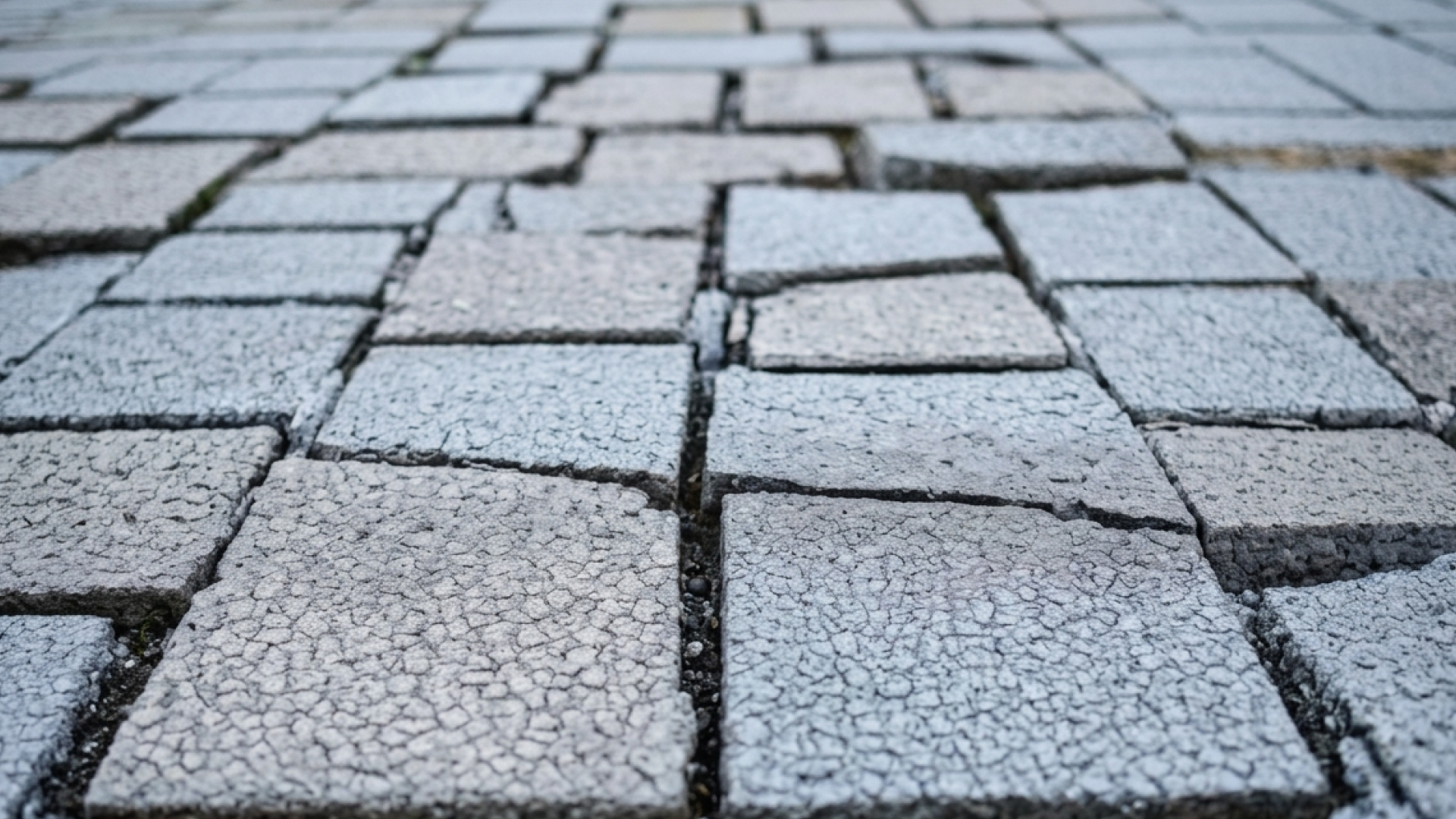
Brick pavers are designed to create durable, attractive outdoor surfaces, but even well-maintained pavers can eventually develop cracks. A cracked paver is not always a sign of widespread failure. Sometimes the damage is limited to an individual brick, while in other cases, cracking can point to movement or instability beneath the surface.
Understanding what causes brick pavers to crack can help homeowners identify problems early and determine whether they need cleaning, sealing, repair, or more extensive restoration.
For homeowners and property managers, professional brick paver repair is often the best starting point when cracks appear. Brick Paver Creations specializes in brick paver repair, brick paver restoration, brick paver sealing, brick cleaning, and ongoing brick paver maintenance for existing paver surfaces.
Why Do Brick Pavers Crack?
Cracking can develop for several reasons. Weather exposure, settling, moisture, heavy traffic, and movement within the paver system can all contribute to damage over time.
The most common causes include:
Settling beneath the pavers
Moisture and drainage problems
Heavy traffic
Weather exposure
Movement between pavers
Deteriorating joints
Existing structural instability
The important thing is not simply to identify the visible crack, but to understand why the paver cracked in the first place.
1. Settling Beneath the Pavers
One of the most important causes of cracked brick pavers is movement beneath the surface.
When the supporting base settles unevenly, the pavers above it may lose consistent support. This can cause individual bricks to shift, sink, or experience stress that eventually results in cracking.
Brick Paver Creations identifies settling base materials as a factor that can contribute to pavers becoming sunken, shifting, or uneven.
If cracking appears alongside uneven or sunken pavers, professional brick paver repair may be necessary to correct the supporting area rather than simply addressing the damaged brick.
2. Moisture and Poor Drainage
Water can have a significant impact on the long-term condition of a brick paver installation.
When drainage is inadequate, water may collect beneath or around the pavers. Repeated moisture exposure can contribute to instability, settlement, and deterioration of the supporting materials.
Warning signs may include:
Standing water
Sunken pavers
Uneven areas
Loose joints
Repeated cracking
If cracks continue to appear in the same area, a professional evaluation can help determine whether moisture or drainage is contributing to the problem.
3. Heavy Traffic and Repeated Use
Brick pavers are built for outdoor use, but areas exposed to repeated traffic can experience greater wear over time.
Constant pressure can contribute to movement or stress, particularly when the supporting base or joints are already compromised.
For commercial properties, regular inspections and commercial brick paver solutions can help identify heavily used areas before small problems become more significant.
Homeowners should also monitor high-traffic areas as part of routine residential brick paver maintenance.
4. Weather Exposure
Outdoor brick pavers experience changing weather conditions throughout the year.
Brick Paver Creations notes that weather is one of the factors that can contribute to paver problems. Over time, exposure to environmental conditions can affect the surface, joints, and supporting components.
This makes consistent brick paver maintenance especially important.
Cleaning and sealing can help preserve the appearance and condition of existing pavers, while timely repair addresses structural concerns.
5. Movement Between Individual Pavers
A cracked brick may not always be the original problem. Sometimes movement within the surrounding paver system places stress on individual bricks.
Loose or shifting pavers can create uneven pressure across the surface. If one paver moves while adjacent pavers remain stable, the resulting stress can contribute to damage.
This is why professional brick paver restoration services look beyond the damaged brick itself.
Repairing the surrounding area may be necessary to restore stability and prevent recurring damage.
6. Deteriorating Joint Sand
Joint sand helps keep pavers properly positioned and contributes to overall surface stability.
When joint material becomes loose or disappears, pavers can shift more easily. Open joints can also allow additional moisture and organic debris to enter the system.
Over time, this movement can contribute to cracked or damaged pavers.
Brick Paver Creations uses polymeric sand as part of its restoration process to create strong binding between pavers and help prevent weed growth between joints. Brick Paver Creations — Brick Paver Repair & Restoration
7. Damaged or Failing Edge Restraints
The edges of a paver installation help keep the surface contained. When edge restraints become damaged or fail, surrounding pavers may shift outward.
That movement can affect nearby pavers and contribute to:
Widening joints
Uneven alignment
Loose bricks
Cracking
Edge separation
Professional brick paver repair can include repairing or replacing damaged edge restraints when necessary.
How Can You Tell If a Crack Is Serious?
Not every cracked paver requires extensive restoration.
Pay attention to what is happening around the damaged brick.
A crack deserves closer attention when it appears alongside:
Sunken pavers
Rocking or loose bricks
Uneven surfaces
Widening joints
Water pooling
Repeated cracking
Significant joint deterioration
A single damaged paver may be a localized repair. Multiple damaged pavers combined with movement or settlement may indicate a broader issue.
Why Repairing Cracked Pavers Early Matters
It can be tempting to ignore one cracked brick, especially when the rest of the surface looks attractive. However, a damaged paver can sometimes be an early indication of a larger maintenance issue.
Professional brick paver repair can help:
Identify the source of the damage
Restore affected areas
Improve surface stability
Replace damaged pavers when appropriate
Prevent surrounding problems from worsening
Early attention can be particularly valuable when cracks are accompanied by shifting or uneven pavers.
Where Brick Cleaning and Sealing Fit In
Brick cleaning services and professional brick paver sealing play important roles in maintaining existing paver surfaces, but they do not replace structural repair.
Professional cleaning can remove dirt, grime, algae, moss, weeds, stains, and discoloration. Cleaning also prepares the surface for joint sand and sealing. Brick Paver Creations — Brick Paver Sealing & Brick Cleaning
After the surface has been properly prepared, sealing can help protect against weathering, fading, and wear.
If the pavers are cracked because of settlement or instability, however, the underlying problem should be addressed first.
Why Preventive Brick Paver Maintenance Matters
Routine brick paver maintenance gives homeowners an opportunity to catch problems before they become extensive.
Regular attention can help identify:
Cracked or damaged pavers
Loose joints
Uneven surfaces
Water pooling
Weed growth
Shifting areas
For homeowners searching for brick paver repair near me, choosing a professional who can distinguish between surface maintenance and structural repair is important.
Why Choose Brick Paver Creations?
Brick Paver Creations focuses on maintaining, restoring, and extending the life of existing brick paver surfaces.
Its services include:
Brick paver maintenance
The company states that it has more than 35 years of construction experience and specializes in restoring existing paver surfaces. Its repair process addresses issues such as sunken, shifting, uneven, and damaged pavers. Brick Paver Creations — About
For homeowners looking for the best brick paver company or experienced local brick paver experts, Brick Paver Creations provides a focused approach to maintaining and restoring existing brick pavers.
Frequently Asked Questions
What causes brick pavers to crack?
Common causes include settling, moisture and drainage problems, heavy traffic, weather exposure, paver movement, deteriorating joints, and edge restraint issues.
Can cracked brick pavers be repaired?
Yes. Professional brick paver repair can address damaged areas and determine whether the surrounding paver system also needs attention.
Does a cracked paver mean the entire patio needs restoration?
Not necessarily. A single cracked paver may require localized repair, while widespread cracking combined with settlement or movement may require brick paver restoration services.
Can water cause brick pavers to crack?
Moisture and poor drainage can contribute to settlement and instability, which may place stress on pavers and contribute to cracking.
Does sealing prevent cracked pavers?
Professional brick paver sealing helps protect against weathering, fading, and wear, but sealing does not correct structural problems such as settlement or unstable pavers.
How can homeowners prevent cracked brick pavers?
Regular residential brick paver maintenance, including cleaning, inspections, repairs, joint maintenance, and sealing when appropriate, helps identify and address developing problems.
When should I call a brick paver professional?
Contact local brick paver experts when cracking is accompanied by loose, rocking, sunken, uneven, or shifting pavers, or when cracks continue to appear.
Protect Your Brick Pavers Before Cracks Become Larger Problems
Cracked brick pavers can result from something as localized as an individual damaged brick, but they can also signal settling, moisture problems, deteriorating joints, or movement beneath the surface. The key is determining the underlying cause rather than simply treating the visible crack.
With professional brick paver repair, brick paver restoration, brick cleaning services, professional brick paver sealing, and ongoing brick paver maintenance, Brick Paver Creations helps homeowners and property managers preserve existing paver surfaces and address problems before they become more extensive.
If you've noticed cracked, loose, uneven, or shifting brick pavers, contact Brick Paver Creations for a consultation or service inquiry. Their experienced team provides professional solutions for residential brick pavers and commercial brick pavers, helping protect the appearance, stability, and long-term value of your outdoor space.