

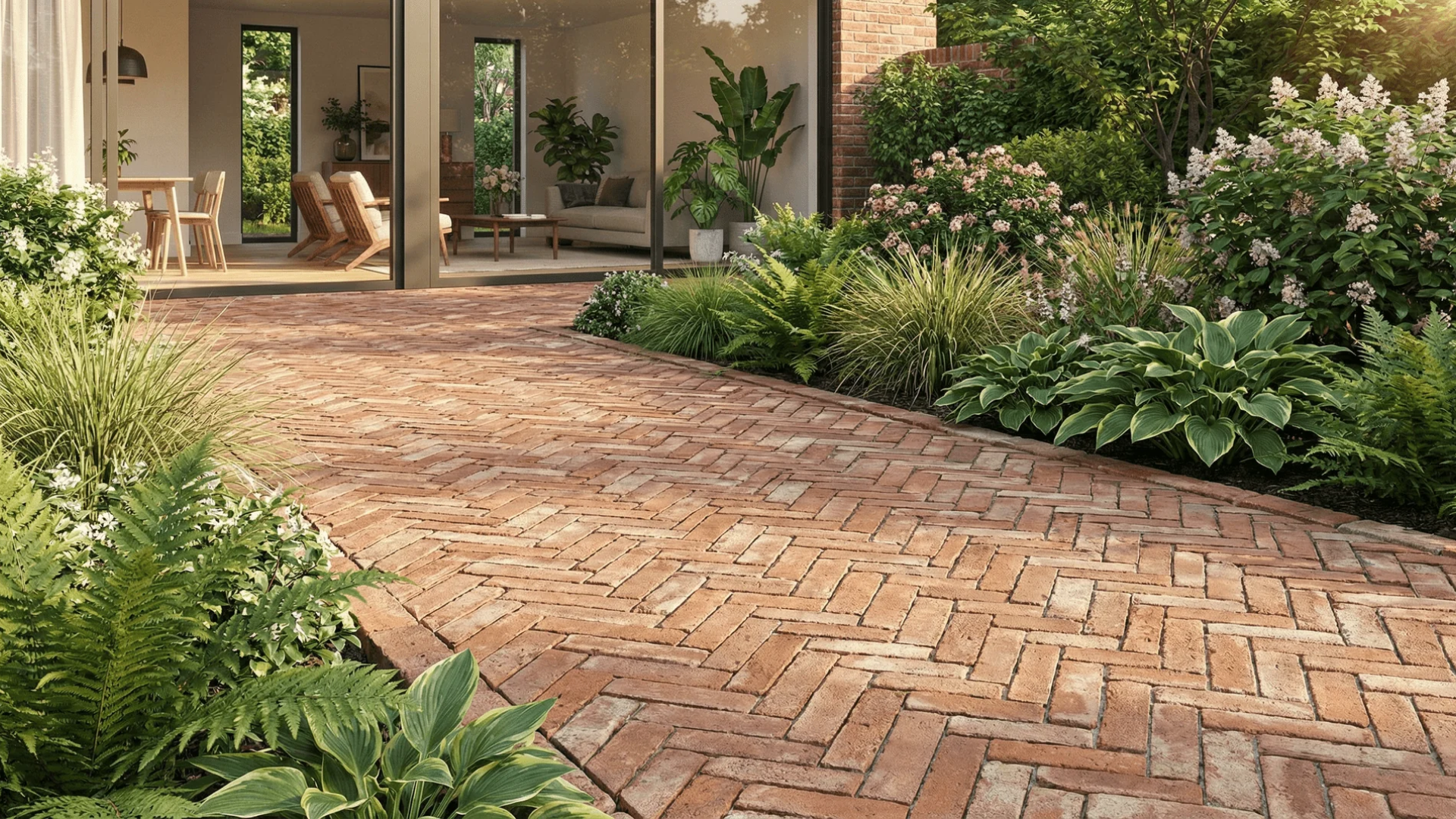
A brick paver should feel stable and secure underfoot. When an individual paver rocks, wiggles, or moves when someone walks across it, that movement is usually a sign that something has changed within the paver system.
A loose paver may seem like a minor inconvenience, but it can indicate problems involving the joint sand, supporting base, drainage, or surrounding pavers. Leaving the issue unaddressed can allow movement to spread and create uneven or potentially unsafe surfaces.
For homeowners and property managers, identifying the cause early can make brick paver repair much simpler. Brick Paver Creations specializes in maintaining and restoring existing brick paver surfaces through brick paver repair, brick paver restoration, brick paver sealing, brick cleaning, and ongoing brick paver maintenance.
Why Do Brick Pavers Rock or Wiggle?
There is rarely just one reason a paver becomes loose. Several conditions can contribute to movement over time.
Common causes include:
Loss of joint sand
Settling beneath the paver
Base deterioration
Poor drainage
Moisture-related movement
Damaged edge restraints
Normal weather and environmental exposure
A professional assessment can determine whether the problem is isolated to one paver or part of a larger issue.
Loss of Joint Sand Can Allow Movement
Joint sand fills the spaces between individual brick pavers and helps keep the surface stable.
When sand is lost or becomes loose, the pavers have more room to move. Water, weeds, and debris can also enter the open joints, making the problem progressively worse.
If you notice a paver moving along with missing or deteriorated joint material, professional brick paver repair may be appropriate.
Brick Paver Creations incorporates polymeric sand into its restoration process to help create strong binding between pavers and reduce weed growth between joints. Brick Paver Creations — Brick Paver Repair & Restoration
Settling Beneath a Paver Can Create a Hollow or Uneven Area
A paver may rock because the material beneath it is no longer providing consistent support.
Brick Paver Creations identifies settling base materials as one factor that can cause pavers to sink, shift, or become uneven. When the supporting area beneath an individual paver settles, the paver may no longer sit firmly in place.
Instead of simply pushing the paver back down, the underlying condition should be evaluated. Brick paver restoration services can address the affected area and restore proper support.
For additional information, see why brick pavers sink.
Moisture and Drainage Problems Can Contribute to Paver Movement
Water plays an important role in the long-term condition of a brick paver installation.
Poor drainage can contribute to problems beneath the surface, while repeated moisture exposure can affect the stability of the supporting materials. If pavers are repeatedly exposed to drainage problems, individual sections may eventually settle or shift.
Signs that moisture may be involved include:
Water pooling after rainfall
Sunken sections
Uneven pavers
Repeated movement in the same area
Addressing drainage-related concerns early is an important part of effective brick paver maintenance.
For more information, see why drainage is the silent killer of brick paver driveways and patios.
Edge Problems Can Affect Nearby Pavers
The perimeter of a brick paver installation helps keep the surface contained. When edge restraints become damaged or fail, surrounding pavers may have more opportunity to move.
This can eventually lead to:
Separating pavers
Widening joints
Loose edge sections
Movement farther into the installation
Brick Paver Creations' repair process includes repairing or replacing damaged edge restraints when necessary. Brick Paver Creations — Repair & Restoration
You can also learn more about signs you need brick paver edge restraint repair.
Weather and Normal Wear Can Gradually Affect Stability
Outdoor brick pavers are exposed to changing weather conditions year after year. Brick Paver Creations notes that weather is among the factors that can contribute to paver problems.
Repeated exposure can gradually affect joints, surfaces, and supporting materials. Heavy traffic can also contribute to paver movement over time.
This is why regular inspection and residential brick paver maintenance are valuable even when a patio or walkway appears to be in good condition.
For a deeper look at weather-related concerns, see how weather impacts brick paver integrity in the Midwest.
Why You Shouldn't Ignore a Rocking Paver
It may be tempting to ignore one loose paver, particularly when the rest of the patio looks fine. However, movement can be an early indication of a developing problem.
A rocking paver can:
Become increasingly unstable
Create an uneven walking surface
Allow additional moisture into the joints
Contribute to surrounding paver movement
Indicate an underlying base problem
Early brick paver repair can help prevent a localized issue from developing into a larger restoration project.
For more warning signs, see the difference between cosmetic and structural brick paver damage.
Can a Rocking Paver Simply Be Repositioned?
Simply pushing a loose paver back into place may provide a temporary improvement, but it does not necessarily address why the paver became loose.
If the base beneath it has settled or joint material has deteriorated, the paver may begin moving again.
Professional repair focuses on the affected area and can include removing the paver, inspecting the base, adding or regrading compacted base material as needed, and reinstalling and leveling the paver.
This approach addresses the support beneath the paver rather than just correcting the visible symptom. Brick Paver Creations — Brick Paver Repair & Restoration
For related information, see how expert paver repair solves uneven and sunken areas.
How Cleaning and Sealing Fit Into Paver Maintenance
Brick cleaning services and professional brick paver sealing are valuable components of maintaining an existing paver installation, but they serve different purposes from structural repair.
Brick Paver Creations' cleaning process removes dirt, grime, algae, moss, weeds, stains, and discoloration. Its restoration process can then include fresh polymeric sand and sealing after the surface has been properly prepared. Brick Paver Creations — Brick Paver Sealing & Brick Cleaning
However, cleaning or sealing a paver that is already unstable does not correct the underlying support problem. Structural concerns should be addressed before surface preservation.
For more information, see why brick paver cleaning should precede sealing.
Residential and Commercial Paver Maintenance
Rocking pavers can occur on both residential and commercial properties.
For homeowners, residential brick paver maintenance helps protect patios, walkways, driveways, and other existing paver surfaces.
For property managers, proactive commercial brick paver solutions can help identify unstable areas before they become more noticeable or create concerns in heavily used spaces.
In either setting, early attention is generally preferable to waiting until multiple pavers become loose or uneven.
Why Choose Brick Paver Creations?
Brick Paver Creations focuses on maintaining, restoring, and extending the life of existing brick paver surfaces. Its services include:
The company's website states that it has more than 35 years of construction experience and specializes in maintaining and restoring existing brick paver surfaces. Its repair process is designed to address issues such as sunken, shifting, uneven, or damaged pavers. Brick Paver Creations — About
For homeowners searching for the best brick paver company or reliable local brick paver experts, understanding whether a loose paver needs simple maintenance or more involved restoration is an important first step.
Frequently Asked Questions
Why does my brick paver rock when I walk on it?
A rocking paver may have lost joint sand or may no longer have consistent support beneath it because of settling, moisture, or other underlying issues.
Can loose brick pavers be repaired?
Yes. Professional brick paver repair can involve removing the affected paver, inspecting the supporting area, correcting the base when necessary, and reinstalling and leveling the paver. Brick Paver Repair & Restoration
Does missing joint sand cause pavers to move?
It can. Deteriorated or missing joint material reduces stability between pavers and can contribute to movement and weed growth.
Can drainage problems cause rocking pavers?
Yes. Poor drainage and repeated moisture exposure can contribute to settling and instability beneath brick pavers.
Should I clean and seal loose pavers?
Cleaning and professional brick paver sealing are important maintenance services, but they should not be used as substitutes for repairing an unstable paver or damaged base.
What is included in brick paver restoration services?
Depending on the condition, restoration can include removing affected pavers, inspecting and repairing the base, leveling pavers, repairing edge restraints, stabilizing the surface, applying polymeric sand, cleaning, and sealing. Brick Paver Creations — Repair & Restoration
Don't Ignore a Paver That Moves Underfoot
A rocking brick paver is more than an annoyance. It can be an early warning sign of loose joint material, settling, moisture problems, or instability beneath the surface. Addressing the issue early can help protect surrounding pavers and reduce the possibility of more extensive restoration.
With professional brick paver repair, brick paver restoration, brick cleaning services, professional brick paver sealing, and ongoing brick paver maintenance, Brick Paver Creations can help property owners protect the appearance, stability, and longevity of their existing paver surfaces.
If you have noticed pavers that rock, wiggle, sink, or shift when walked on, contact Brick Paver Creations for a consultation or service inquiry. Their team provides brick paver repair and restoration solutions for residential and commercial properties, helping you address the problem before a small movement becomes a larger concern.
Email: brickpavers@comcast.net
Call: (708) 372-8481