

What Is Polymeric Sand and Why Is It Important?
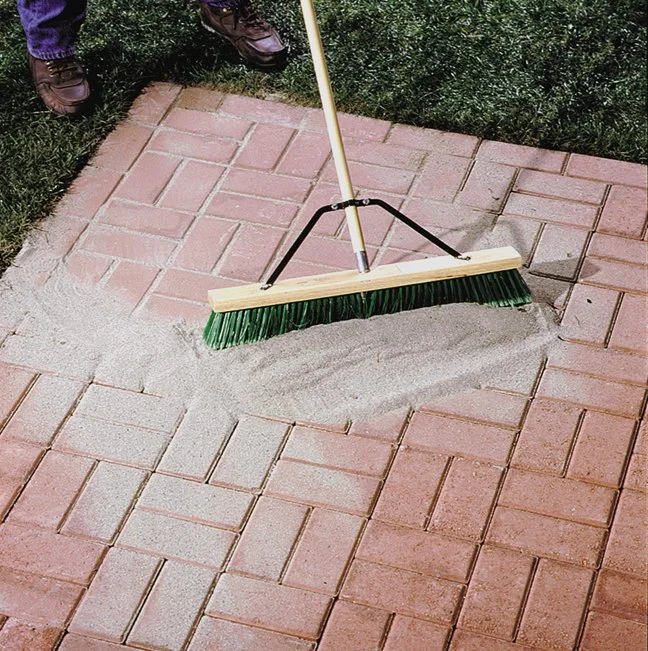
What Is Polymeric Sand and Why Is It Important?
Polymeric sand is one of the most important parts of a properly restored brick paver patio, driveway, walkway, or pool deck. While many homeowners focus on the appearance of the pavers themselves, the sand between the joints plays a major role in stabilizing and protecting the entire surface.
At Brick Paver Creations, we install professional-grade polymeric sand as part of our brick paver restoration process throughout the Chicago South Suburbs.
What Is Polymeric Sand?
Polymeric sand is a specially designed joint sand that contains fine sand and binding agents. Once activated with water, the material hardens within the paver joints to help stabilize the surface and reduce washout.
Unlike regular sand, polymeric sand helps lock the pavers together while improving the overall durability of the installation.
Why Polymeric Sand Is Important
Helps Stabilize Brick Pavers
The joints between pavers help distribute weight and movement across the surface. Properly installed polymeric sand helps hold the pavers tightly together and reduces shifting or movement over time.
Helps Reduce Weed Growth
One of the biggest complaints homeowners have is weeds growing between pavers. Polymeric sand helps reduce open joint spaces where weeds can begin growing.
Helps Prevent Sand Washout
Rain, drainage issues, pressure washing, and weather exposure can slowly wash traditional joint sand out of the paver joints. Polymeric sand helps reduce erosion and washout while maintaining joint stability.
Helps Deter Insects
Open paver joints can attract ants and insects that tunnel through loose sand. Properly activated polymeric sand helps reduce insect activity within the joints.
Improves the Appearance of the Surface
Fresh joint sand gives brick pavers a cleaner, more finished appearance. Replacing missing or deteriorated joint sand can dramatically improve the look of patios, walkways, driveways, and pool decks.
Signs Your Polymeric Sand Needs Replacement
Weeds growing between pavers
Missing or low joint sand
Loose or shifting pavers
Sand washing out after rain
Ant hills in paver joints
Cracking or deteriorated joints
Our Polymeric Sand Installation Process
At Brick Paver Creations, proper preparation is critical for long-lasting results.
Our process typically includes:
Deep cleaning the paver surface
Removing old or failing joint material
Installing fresh polymeric sand
Compacting the sand into the joints
Carefully activating the sand with water
Preparing the surface for sealing if needed
Professional Brick Paver Restoration
Polymeric sand is an important part of maintaining and protecting brick pavers. Proper installation helps improve stability, appearance, and long-term performance.
Brick Paver Creations provides professional brick paver restoration, polymeric sand replacement, cleaning, repairs, and sealing throughout Frankfort, Homer Glen, Orland Park, New Lenox, Mokena, and the surrounding Chicago suburbs.
Final Thoughts
Brick pavers need polymeric sand to prevent pavers from being over taken by organic growth and prevent movement.
For expert help, visit Brick Paver Creations or learn more about services on the about page.
For consultations or service inquiries, reach out through the contact page or email brickpavers@comcast.net or call (708) 372 8481.
More insights and updates can be found in the full collection of paver blogs.