

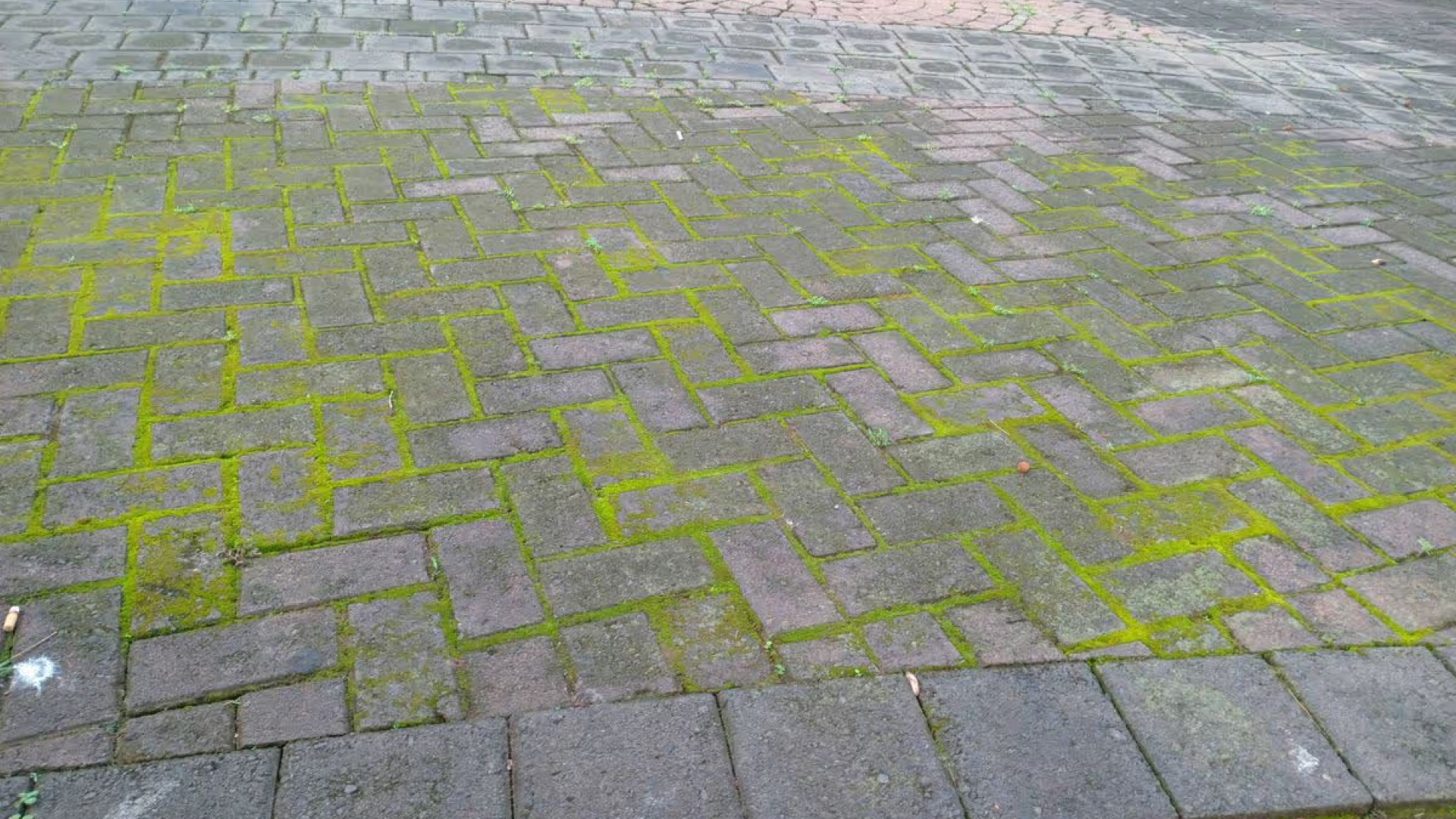
Brick pavers bring lasting beauty and functionality to patios, walkways, driveways, and outdoor living spaces. However, when moss and algae begin to grow on the surface, they can affect both the appearance and safety of your hardscape. While these green patches may seem like a minor cosmetic issue, they often indicate underlying moisture and maintenance concerns that should not be ignored.
Understanding why moss and algae develop—and how to prevent them—can help homeowners and property managers extend the life of their pavers while reducing the need for costly repairs.
At Brick Paver Creations, preventing and correcting these issues is part of a comprehensive approach that includes brick paver repair, brick paver restoration, brick paver sealing, brick cleaning, and ongoing brick paver maintenance for both residential brick pavers and commercial brick pavers.
Why Moss and Algae Grow on Brick Pavers
Moss and algae thrive in environments where moisture remains on surfaces for extended periods. Although brick pavers are designed for outdoor use, certain conditions can encourage organic growth if they are not properly maintained.
Common contributing factors include:
Frequent moisture exposure
Poor drainage
Shaded areas with limited sunlight
Dirt and organic debris buildup
Loss of joint sand
Infrequent maintenance
These conditions create an ideal environment for moss and algae to establish themselves between and on top of brick pavers.
Excess Moisture Is the Primary Cause
Water is essential for moss and algae growth. When moisture remains trapped on or beneath brick pavers, it creates conditions that allow these organisms to spread.
Moisture may come from:
Rainfall
Lawn irrigation
Pool splash-out
Humid weather
Poor water runoff
Many homeowners searching for brick paver repair near me discover that recurring moss growth is linked to how moisture beneath brick pavers leads to long-term structural failure rather than simply surface cleanliness. Addressing moisture at its source is key to preventing future growth.
Poor Drainage Encourages Organic Growth
Proper drainage helps move water away from the paver surface. When drainage is inadequate, water can collect in low areas or remain trapped beneath the pavers.
Poor drainage may contribute to:
Persistent dampness
Joint sand erosion
Base instability
Increased moss and algae growth
Professional brick paver restoration services often include evaluating drainage conditions because why drainage is the silent killer of brick paver driveways & patios is a primary consideration to improve the long-term performance of the paver system.
Shaded Areas Stay Damp Longer
Brick pavers located beneath trees, beside buildings, or in other shaded locations tend to dry more slowly after rain or irrigation. Extended moisture retention allows moss and algae to develop more easily than in areas that receive regular sunlight.
While shade itself is not harmful, combining shade with poor drainage and debris buildup increases the likelihood of organic growth.
Dirt and Organic Debris Create Ideal Conditions
Leaves, soil, and other debris can trap moisture against the surface of brick pavers. Over time, this buildup creates an environment where moss and algae can flourish.
Routine brick cleaning services help remove:
Dirt
Leaves
Organic material
Surface contaminants
Keeping pavers clean not only improves appearance but also reduces conditions that support organic growth, mitigating common brick paver problems.
Missing Joint Sand Can Worsen the Problem
Brick paver joint sand helps stabilize brick pavers while limiting spaces where moisture and debris can accumulate. When joint sand erodes, it creates openings that allow:
Water infiltration
Dirt accumulation
Weed growth
Moss establishment
Understanding when to re-sand brick pavers and replacing lost joint sand is often an important step in brick paver restoration and long-term brick paver maintenance.
Why Moss and Algae Shouldn't Be Ignored
Although moss and algae are often viewed as cosmetic concerns, they can contribute to larger maintenance problems over time.
Slippery Walking Surfaces
Algae can create slick conditions that increase the risk of slips and falls, particularly on walkways, patios, and pool decks. Homeowners must learn how to spot unsafe brick paver walkways before accidents happen to keep their properties secure.
Moisture Retention
Organic growth holds moisture against the paver surface, allowing water to remain longer than it otherwise would.
Accelerated Surface Wear
Persistent moisture may contribute to gradual deterioration of joint sand and supporting materials, making brick paver cleaning for tough grime & organic growth a top property priority.
Reduced Curb Appeal
Green staining and organic buildup can make otherwise attractive brick pavers appear neglected, which can negatively affect how uneven brick pavers affect property value.
How Professional Brick Cleaning Helps
Professional brick cleaning services are one of the most effective ways to remove moss and algae while preparing pavers for ongoing maintenance.
Cleaning helps:
Remove organic growth
Eliminate dirt buildup
Improve traction
Restore appearance
Prepare surfaces for sealing
Regular cleaning also allows property owners to identify developing maintenance issues before they become more serious. It is also standard procedure because why brick paver cleaning should precede sealing ensures a beautiful, lasting bond.
The Importance of Brick Paver Sealing
Professional brick paver sealing provides an additional layer of protection against environmental exposure. Following a comprehensive brick paver sealing guide ensures the longest-lasting shield for your stone.
Sealing helps:
Reduce moisture penetration
Protect surface appearance
Preserve color
Simplify routine cleaning
Support long-term durability
For both residential brick pavers and commercial brick pavers, sealing complements regular maintenance and helps reduce conditions that encourage moss and algae.
Preventive Brick Paver Maintenance Tips
Preventive care is the best way to minimize moss and algae growth.
Helpful maintenance practices include:
Schedule regular brick cleaning services
Remove leaves and debris promptly
Monitor areas where water tends to collect
Address drainage concerns early
Repair loose or uneven pavers
Replace eroded joint sand when needed
Invest in professional brick paver sealing
Schedule periodic inspections by local brick paver experts
Consistent brick paver maintenance can significantly extend the life and appearance of your outdoor surfaces.
Why Choose Brick Paver Creations
Brick Paver Creations specializes in protecting and restoring existing paver installations through expert:
With more than 35 years of construction experience, the company focuses on preserving the beauty, safety, and longevity of brick paver surfaces through professional restoration and maintenance services. As trusted local brick paver experts, Brick Paver Creations provides customized solutions for both residential and commercial properties, helping clients maintain attractive, durable, and safe outdoor spaces. Learn more about our team and commitment to quality.
Frequently Asked Questions
Why does moss grow on brick pavers? Moss typically develops where moisture, shade, and organic debris allow damp conditions to persist.
What causes algae to grow on pavers? Algae often forms when surfaces remain wet due to poor drainage, humidity, or frequent water exposure.
Can professional brick cleaning remove moss and algae? Yes. Brick cleaning services help remove organic growth and prepare the surface for ongoing maintenance.
Does brick paver sealing help prevent moss? Professional brick paver sealing helps reduce moisture penetration, making conditions less favorable for moss and algae growth.
Is moss harmful to brick pavers? While moss itself may not immediately damage pavers, it can trap moisture, contribute to slippery conditions, and indicate maintenance issues.
How can I prevent moss and algae from returning? Routine brick paver maintenance, proper drainage, regular cleaning, joint sand maintenance, and sealing all help reduce the likelihood of recurring growth.
Keep Your Brick Pavers Clean, Safe, and Protected
Moss and algae are often signs that your brick paver system needs attention. By addressing moisture, improving drainage, and following a proactive maintenance plan, you can preserve both the appearance and performance of your outdoor surfaces.
Through expert brick paver repair, brick paver restoration, brick cleaning services, professional brick paver sealing, and ongoing brick paver maintenance, Brick Paver Creations helps homeowners and property managers protect their investment for years to come.
If your patio, driveway, walkway, or pool deck is showing signs of moss, algae, or moisture-related issues, contact us at Brick Paver Creations for a consultation or service inquiry. Their experienced team provides trusted solutions for both residential brick pavers and commercial brick pavers, helping restore your outdoor spaces and keep them looking their best.