

How Seasonal Temperature Swings Loosen Brick Paver Joints
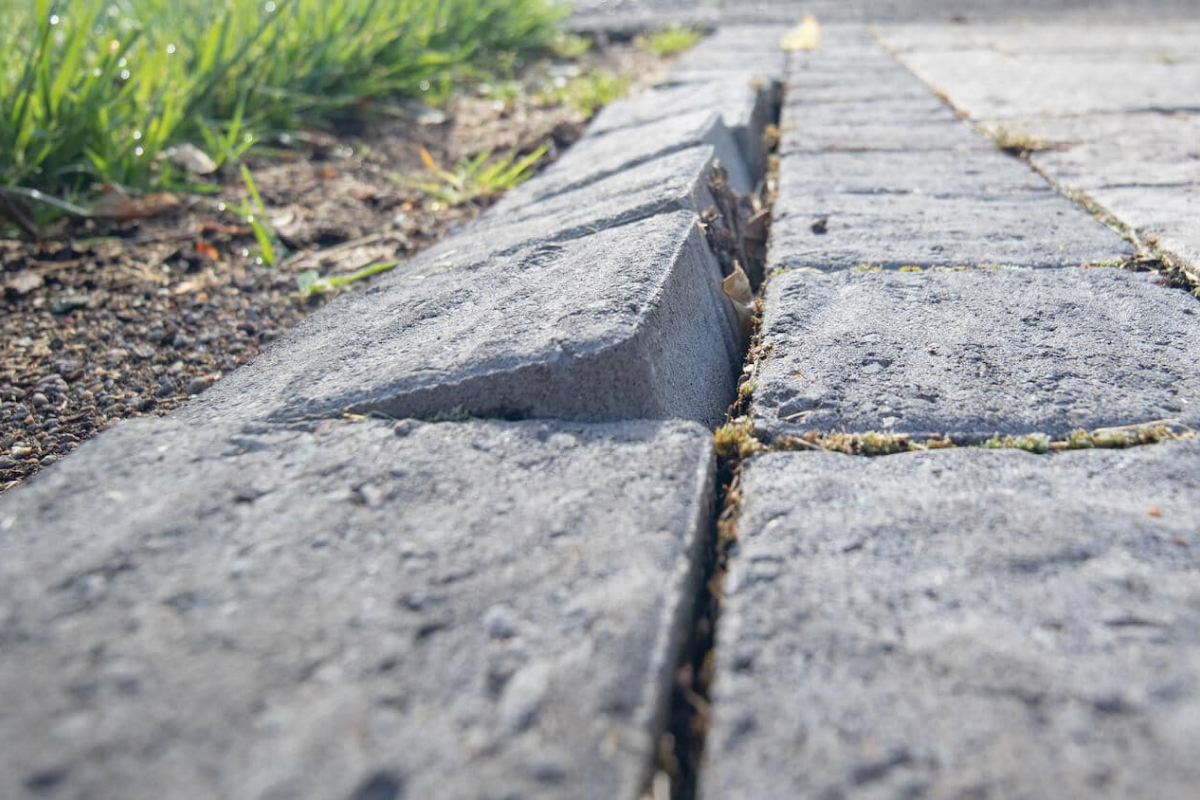
Brick pavers are designed to withstand years of outdoor exposure, making them a popular choice for patios, walkways, driveways, and outdoor living spaces. However, changing seasonal temperatures can gradually affect the stability of the joints that hold the paver system together. Over time, repeated cycles of heating and cooling may contribute to joint deterioration, surface movement, and moisture-related problems.
While these changes often occur slowly, recognizing the early signs can help homeowners and property managers protect their investment through timely brick paver repair, brick paver restoration, brick paver sealing, brick cleaning, and ongoing brick paver maintenance.
At Brick Paver Creations, preserving the structural integrity and appearance of both residential brick pavers and commercial brick pavers is the focus of every restoration and maintenance project.
Why Brick Paver Joints Are So Important
The joints between brick pavers do more than separate individual bricks—they help create a stable, unified surface.
Properly maintained joints:
Help keep pavers securely aligned
Reduce unwanted movement
Support even weight distribution
Minimize weed growth
Help limit moisture intrusion
When these joints begin to weaken, the entire paver system can become more vulnerable to shifting and long-term wear.
How Seasonal Temperature Changes Affect Brick Pavers
Outdoor brick pavers experience constant expansion and contraction as temperatures rise and fall throughout the year.
During warmer weather:
Pavers absorb heat from the sun.
Surface temperatures increase.
Materials naturally expand.
During cooler weather:
Temperatures drop.
Materials contract.
Small movements occur throughout the paver system.
Although these seasonal changes are normal, years of repeated movement can gradually loosen the joints between pavers. You can read more details on how weather impacts brick paver integrity in the midwest to see how localized shifts accelerate this process.
Joint Sand Gradually Breaks Down
Joint sand is one of the most important components of a stable brick paver installation. To understand the baseline fundamentals, it helps to review brick paver joint sand 101.
As seasonal expansion and contraction occur, joint sand may gradually:
Shift within the joints
Settle over time
Become displaced
Leave small gaps between pavers
Once these gaps develop, moisture and debris can enter more easily, accelerating deterioration. Many homeowners searching for brick paver repair near me first notice missing joint sand before realizing more extensive maintenance is needed. When these issues appear, knowing when to re-sand brick pavers becomes critical to saving the foundation.
Moisture Makes Temperature-Related Problems Worse
Temperature changes often work together with moisture to affect brick paver performance. When joint sand has eroded, water can penetrate deeper into the paver system, leading to situations where moisture beneath brick pavers leads to long-term structural failure.
This may contribute to:
Base erosion
Surface settlement
Joint widening
Increased paver movement
Over time, these conditions can create the need for professional brick paver restoration services. Proper drainage and regular maintenance help minimize moisture-related deterioration. Property owners should also be aware of why drainage is the silent killer of brick paver driveways & patios to prevent foundation washouts.
Loose Joints Lead to Paver Movement
As joints become less stable, individual pavers may begin shifting slightly under normal use.
Property owners may notice:
Small gaps between pavers
Slight movement underfoot
Uneven spacing
Minor alignment changes
Although these issues may appear minor initially, they often become more noticeable if left unaddressed. Understanding how expert repair prevents further paver shifting explains why acting early keeps the structural layer intact. Professional brick paver repair helps restore stability before larger sections of the surface are affected.
Weed Growth Often Signals Joint Problems
Missing or weakened joint sand creates openings where airborne seeds and organic material can settle. As moisture combines with these openings, weeds become more likely to develop.
Persistent weed growth often indicates:
Joint deterioration
Moisture retention
Sand loss
Maintenance needs
Property owners often wonder why weed growth between brick pavers keeps returning despite basic weeding. Routine brick cleaning services and joint maintenance help reduce the conditions that allow weeds to return.
Water Pooling Can Accelerate Joint Failure
Seasonal movement may also affect the way water drains across the paver surface. If joints loosen and pavers begin settling unevenly, water may collect in low spots.
Standing water can:
Wash away additional joint sand
Increase moisture penetration
Weaken the supporting base
Accelerate structural deterioration
Maintaining proper drainage is an important part of long-term brick paver maintenance.
Why Brick Paver Sealing Helps Protect Joints
One of the most effective ways to help preserve joint integrity is through professional brick paver sealing. Homeowners can review the brick paver sealing guide to understand what the process looks like from start to finish.
Sealing provides several long-term benefits:
Helps stabilize joint sand
Reduces moisture penetration
Protect against weather exposure
Preserves the appearance of brick pavers
Supports overall durability
For both residential brick pavers and commercial brick pavers, sealing complements routine maintenance and restoration efforts. Property managers can learn more about why brick paver joint stabilization matters for longevity to keep high-traffic zones secure.
The Importance of Routine Brick Cleaning
Dirt, leaves, and organic debris can accumulate within paver joints over time.
Professional brick cleaning services help:
Remove debris from joints
Improve surface appearance
Identify early signs of movement
Prepare pavers for sealing
Support ongoing maintenance
Reviewing the absolute brick paver cleaning mistakes that hurt long-term health can keep owners from using damaging high-pressure techniques. Keeping joints clean makes it easier to detect potential problems before they require extensive repairs.
Why Early Brick Paver Repair Saves Money
Loose joints rarely improve on their own. Addressing small maintenance issues early often prevents:
Extensive joint deterioration
Surface instability
Base erosion
Larger restoration projects
Learning how professional brick paver restoration saves you money vs. DIY shows the value of getting an expert structural assessment. Timely brick paver repair allows homeowners to preserve the condition of their paver system while avoiding more significant repairs later.
Residential and Commercial Maintenance Benefits
Seasonal temperature changes affect every outdoor paver installation, regardless of property type.
Consistent residential brick paver maintenance and commercial brick paver solutions help:
Extend paver lifespan
Improve safety
Preserve curb appeal
Reduce long-term maintenance costs
Protect overall structural stability
Preventive maintenance remains one of the most effective ways to maximize the life of brick paver surfaces.
Why Choose Brick Paver Creations
Brick Paver Creations specializes in protecting and restoring existing paver systems through expert:
Brick paver repair
Brick paver restoration
Brick paver sealing
Brick cleaning
Brick paver maintenance
According to their official website, the company has more than 35 years of construction experience and focuses on restoring the beauty, stability, and longevity of brick paver installations. Learn more about their history and commitment to quality craftsmanship.
As trusted local brick paver experts, Brick Paver Creations provides customized solutions for both residential and commercial properties, helping clients maintain attractive, durable outdoor spaces through professional restoration and preservation.
Frequently Asked Questions
Why do brick paver joints loosen over time?
Seasonal temperature changes, moisture exposure, and normal wear can gradually displace joint sand and reduce joint stability.
Can temperature changes damage brick pavers?
Repeated expansion and contraction can contribute to joint deterioration and surface movement if maintenance is delayed. Property owners can find a list of warnings in our guide on signs brick pavers need repair before winter.
How do I know if my paver joints need repair?
Common signs include missing joint sand, loose pavers, widening gaps, weed growth, and uneven surfaces. Contractors use a comprehensive brick paver repair checklist to systematically grade these problem areas.
Does brick paver sealing help protect the joints?
Yes. Professional brick paver sealing helps stabilize joint sand and reduce moisture penetration. Read exactly how sealing saves homeowners money in avoided overhaul expenses.
Why is joint sand so important?
Joint sand helps keep pavers aligned, minimizes movement, and reduces opportunities for moisture and weeds to enter the system.
How often should brick pavers be professionally maintained?
Routine brick paver maintenance, including cleaning, inspections, and sealing, helps identify early issues and protect long-term performance. You can read up on why regular brick paver inspections save homeowners thousands in long-term repairs to establish a timeline.
Protect Your Brick Paver Joints Before Small Problems Grow
Seasonal temperature swings are unavoidable, but the damage they cause doesn't have to be. With regular inspections and proactive maintenance, you can keep your brick paver joints stable, attractive, and performing as intended for years to come.
Through expert brick paver repair, brick paver restoration, brick cleaning services, professional brick paver sealing, and ongoing brick paver maintenance, Brick Paver Creations helps homeowners and property managers preserve the beauty and durability of their outdoor spaces.
If you've noticed loose joints, shifting pavers, missing joint sand, or other signs of wear, contact Brick Paver Creations for a consultation or service inquiry. Their experienced team provides trusted solutions for both residential brick pavers and commercial brick pavers, helping protect your investment with professional care and long-lasting results.
For direct assistance, you can also email brickpavers@comcast.net or call (708) 372-8481.