

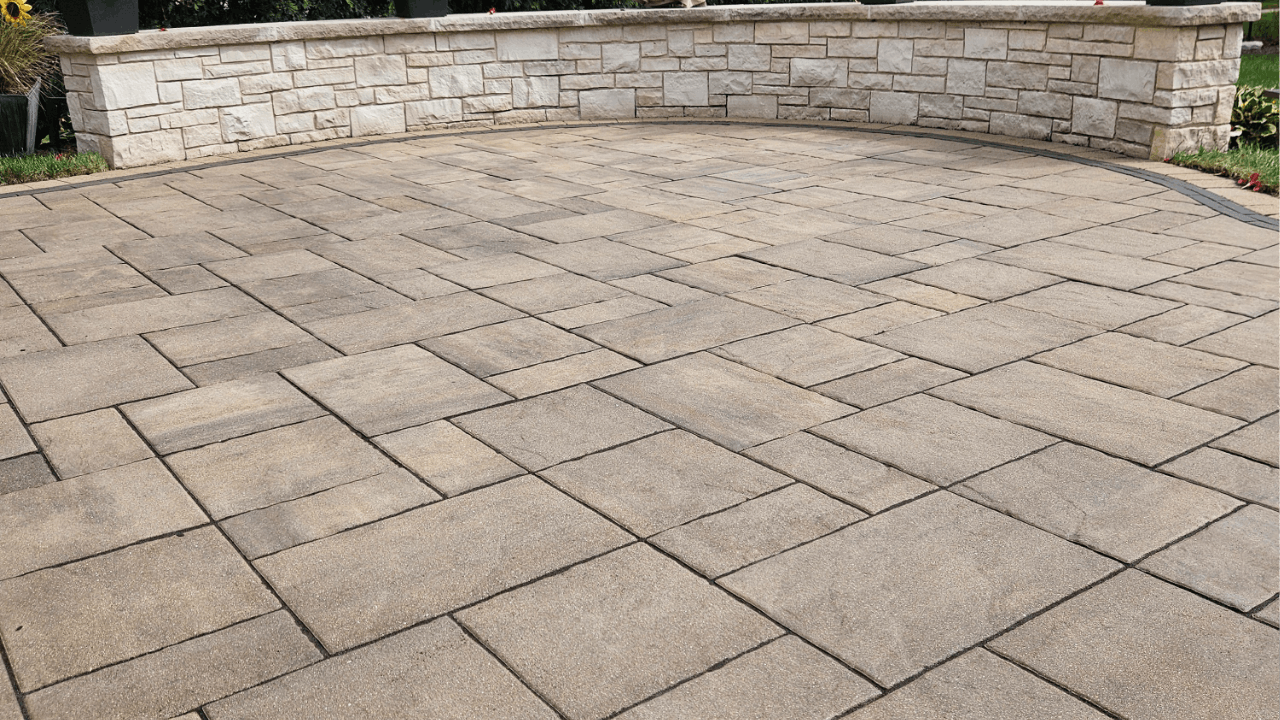
Brick pavers are built to last, but they are not "set it and forget it." Over time, dirt, stains, and wear will show up—especially on driveways, patios, and walkways. While that is normal, damage caused by the wrong cleaning approach is not.
As local specialists, Brick Paver Creations sees this all the time: well-meaning cleaning efforts that shorten the life of solid surfaces. Here are the most common brick paver cleaning mistakes and how to avoid them to protect your residential or commercial brick pavers.
1. Using High Pressure the Wrong Way
One of the biggest mistakes is using excessive pressure. High-powered washing may look effective, but it can blast away joint sand and destabilize the entire surface. Once the joints weaken, pavers can shift, settle, or become uneven.
This kind of damage often leads to the need for brick paver repair or even full brick paver restoration sooner than expected. Professional cleaning uses calibrated pressure to remove grime without harming the structure underneath.
2. Skipping Joint Sand Replacement
Cleaning does not end when the surface looks good. After a deep wash, joint sand is often left depleted or uneven. This creates space for movement, water intrusion, and weed growth.
Failing to re-sand brick pavers is a fast track to loose stones. A proper restoration plan always includes addressing the joints—usually with polymeric sand—to ensure the system remains locked in place.
3. Leaving Stains Untreated for Too Long
Oil, dirt, and organic buildup do more than just look bad; they slowly break down the paver surface. Many property owners wait too long to schedule professional brick cleaning, thinking stains are only cosmetic.
In reality, allowing contaminants to sit can lead to deep discoloration. If you are dealing with common brick paver stains, treating them early is a preventive step that protects both the appearance and the material's integrity.
4. Cleaning Without Brick Paver Sealing
Cleaning alone is only half the job. One of the most damaging mistakes is skipping brick paver sealing after the surface is dry. Unsealed pavers are porous, meaning stains return faster and moisture penetrates more easily.
Applying a sealer helps protect the surface, supports easier future maintenance, and is a critical part of the restoration timeline. When sealing is ignored, your pavers become vulnerable to the elements, especially during Midwest winter weather.
5. Using the Same Method for Every Surface
Not all hardscapes see the same use. Brick driveway repair needs are different from a garden walkway. Treating every surface with a "one-size-fits-all" cleaning method can lead to uneven results and premature wear. Professional care considers the specific traffic patterns of your property to reduce stress on the brick.
Why Professional Cleaning Protects Your Investment
At Brick Paver Creations, cleaning is part of a bigger system. It works hand-in-hand with repairs and sealing to keep your property stable. Done correctly, it prepares the surface for protection and helps us identify early issues—like shifting pavers—before they turn into costly headaches.
If your pavers are showing stains or early signs of wear, it is time to rethink your maintenance routine. Reach out to us through our Contact page to get expert guidance and protect your hardscape the right way.
Call: (708) 372-8481 Email: brickpavers@comcast.net