

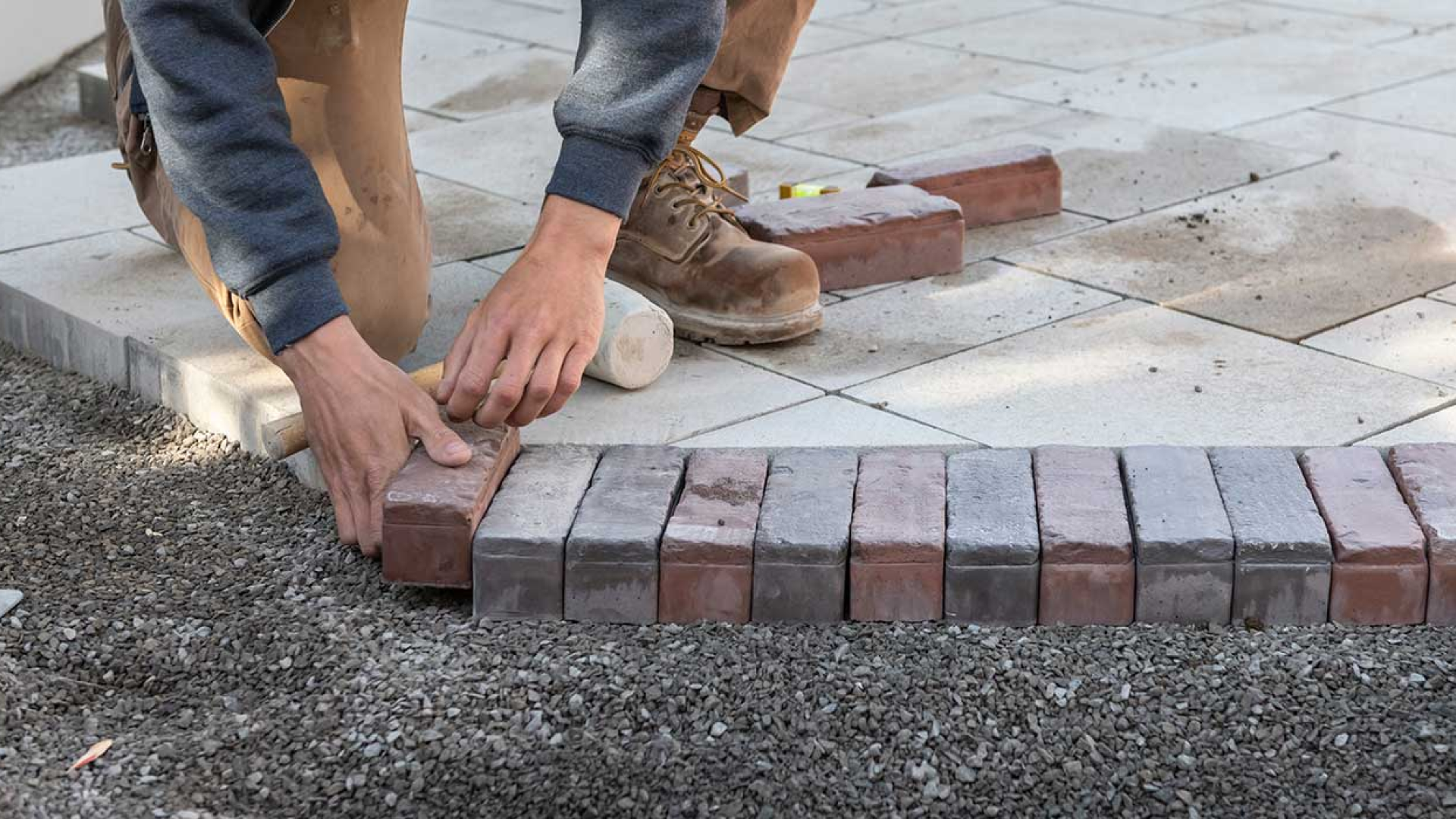
Brick pavers are designed to provide long-lasting beauty, durability, and functionality for patios, walkways, driveways, and outdoor living spaces. However, even high-quality brick paver installations can begin to fail when the base underneath the surface becomes unstable.
In many cases, homeowners notice cosmetic issues first without realizing the real problem lies beneath the pavers themselves. A failing base can lead to costly structural damage if ignored, making early detection and proper maintenance essential.
At Brick Paver Creations, identifying and correcting these underlying issues is a major part of their specialized brick paver repair and restoration services, brick paver sealing and cleaning solutions, and long-term maintenance programs. Their experience with both residential and commercial brick paver systems allows them to restore stability while helping property owners protect their investment for years to come.
Why the Brick Paver Base Matters
The visible surface of brick pavers is only one part of the system. Beneath every properly installed paver surface is a compacted foundation designed to provide support, drainage, and stability.
When that base begins to weaken due to moisture, erosion, settling, or wear, the entire paver system can shift and deteriorate. Even small problems can gradually spread across larger sections of the surface.
This is why proactive brick paver maintenance is so important. Addressing early warning signs quickly can prevent expensive restoration later. Homeowners can also explore additional maintenance insights through the company’s educational brick paver blogs.
Uneven or Sunken Brick Pavers
One of the most common indicators of base failure is uneven or sunken pavers.
When moisture infiltrates the foundation below the surface, sections of the base may compact unevenly or wash away entirely. As support weakens, pavers begin to sink or shift out of alignment.
Homeowners searching for brick paver repair near me often notice:
Low spots in patios or walkways
Uneven transitions between pavers
Trip hazards along pathways
Water pooling in depressed areas
These issues not only affect appearance but can also create safety concerns. Professional restoration services help correct the underlying foundation problems before they worsen.
For example, articles like how expert paver repair solves uneven and sunken areas and brick paver leveling prevents trip hazards explain why addressing settlement early is critical.
Water Pooling After Rain
Proper drainage is critical for long-term paver performance. If water remains on the surface long after rainfall, it may signal drainage failure beneath the pavers.
Standing water can:
Saturate the base material
Accelerate erosion
Wash away joint sand
Increase shifting and instability
Over time, trapped moisture weakens the structural integrity of the entire system.
At Brick Paver Creations, restoring proper grading and drainage is a key part of effective brick paver repair and restoration. Their article on why drainage is the silent killer of brick paver driveways and patios provides additional insight into how water damage spreads beneath paver surfaces.
Loose or Shifting Pavers
Pavers should feel firm and stable underfoot. If individual bricks begin moving when stepped on, the base or joint stabilization system may already be compromised.
This commonly happens when:
Joint sand erodes
Moisture weakens the base
Surface movement spreads over time
Loose pavers often worsen quickly if left untreated. Prompt maintenance can help stabilize the surface before larger repairs become necessary.
Property owners can also learn more about why brick paver joint stabilization matters for longevity and what is polymeric sand and why it is important.
Gaps Between Brick Pavers
Visible gaps between pavers are another warning sign homeowners should not ignore.
As the foundation shifts, pavers can separate and lose their tight alignment. Missing joint sand further increases movement and allows moisture to penetrate deeper into the base.
These openings also encourage:
Weed growth
Dirt accumulation
Surface instability
Additional moisture intrusion
Professional sealing and polymeric sand installation help reinforce joints and improve long-term protection. The guide on when to re-sand brick pavers offers useful preventative maintenance information.
Weed Growth and Moss Development
Weeds and moss often appear when moisture remains trapped between pavers for extended periods.
Although some homeowners see this as only a cosmetic issue, excessive organic growth frequently points to:
Poor drainage
Joint sand erosion
Ongoing moisture retention
Routine cleaning services remove buildup while helping identify early signs of deeper structural problems.
Helpful resources such as brick paver cleaning for tough grime and organic growth and eco-friendly ways to stop weeds in pool paver joints provide additional preventative care tips.
Cracked or Broken Pavers
A failing base can place uneven pressure on brick pavers, eventually causing cracking or breakage.
Cracks may appear when:
The foundation shifts unevenly
Weight distribution becomes unstable
Freeze-thaw cycles affect moisture-saturated areas
Replacing damaged pavers without addressing the underlying base often results in recurring problems. Comprehensive restoration services focus on correcting the source of the damage—not just the visible symptoms.
Homeowners concerned about seasonal damage can also review how winter freeze-thaw cycles damage brick pavers and why repair matters.
Fading Color and Surface Deterioration
Although fading alone does not always indicate structural failure, it can signal that pavers are becoming more vulnerable to moisture exposure and wear.
Without regular professional sealing, surfaces may absorb more water over time, accelerating deterioration beneath the surface.
Sealing helps:
Reduce moisture penetration
Protect surface color
Improve durability
Extend the lifespan of brick pavers
For both residential and commercial brick pavers, sealing is an important part of preventive maintenance.
Additional guidance is available in brick paver surface protection choosing the right sealer and how brick paver sealing extends outdoor living space life.
Why Early Brick Paver Repair Matters
Many homeowners delay repairs because the damage initially seems minor. Unfortunately, moisture and base deterioration tend to spread gradually beneath the surface.
What starts as one uneven section can eventually affect larger portions of a driveway, patio, or walkway.
Early intervention through professional:
Brick paver repair
Brick paver restoration
Brick paver sealing
Brick cleaning
Residential brick paver maintenance
Commercial brick paver solutions
can significantly reduce long-term repair costs while preserving safety and appearance.
The article why regular brick paver inspections save homeowners thousands in long-term repairs explains why routine inspections are one of the smartest long-term investments for hardscape protection.
Why Choose Brick Paver Creations
According to the company’s About page, Brick Paver Creations brings over 35 years of construction experience and specializes in:
Brick paver repair
Brick paver restoration
Brick paver sealing
Brick cleaning
Long-term brick paver maintenance
Their team serves both residential and commercial properties with customized solutions designed to extend the life of outdoor hardscapes while improving appearance, safety, and durability.
As trusted local brick paver experts, the company emphasizes quality workmanship, personalized service, and long-term protection for outdoor surfaces.
Frequently Asked Questions
What causes a brick paver base to fail?
Moisture intrusion, poor drainage, erosion, settling, and joint sand loss are common causes of base failure.
Can uneven brick pavers be repaired?
Yes. Professional brick paver repair services can level and restore uneven pavers by correcting the underlying base issues.
Is water pooling on pavers a serious problem?
Standing water often indicates drainage or foundation problems that can lead to long-term structural damage.
How does brick paver sealing help protect the base?
Professional sealing helps reduce moisture penetration and protects pavers from weather-related wear.
Are weeds between pavers a sign of damage?
Weed growth may indicate joint sand erosion and excessive moisture retention beneath the surface.
Can commercial brick pavers be restored instead of replaced?
In many cases, commercial brick paver solutions include restoration and repair rather than full replacement.
Protect Your Brick Pavers Before Small Problems Become Major Repairs
Recognizing early warning signs of base failure can help prevent extensive structural damage and costly restoration work.
Through expert brick paver repair, restoration, cleaning services, sealing, and ongoing maintenance, Brick Paver Creations helps property owners maintain safe, durable, and attractive outdoor surfaces.
If your patio, walkway, or driveway is showing signs of sinking, shifting, or drainage problems, contact Brick Paver Creations to learn more about their trusted solutions for both residential and commercial brick pavers.
Email: brickpavers@comcast.net
Phone: (708) 372-8481