

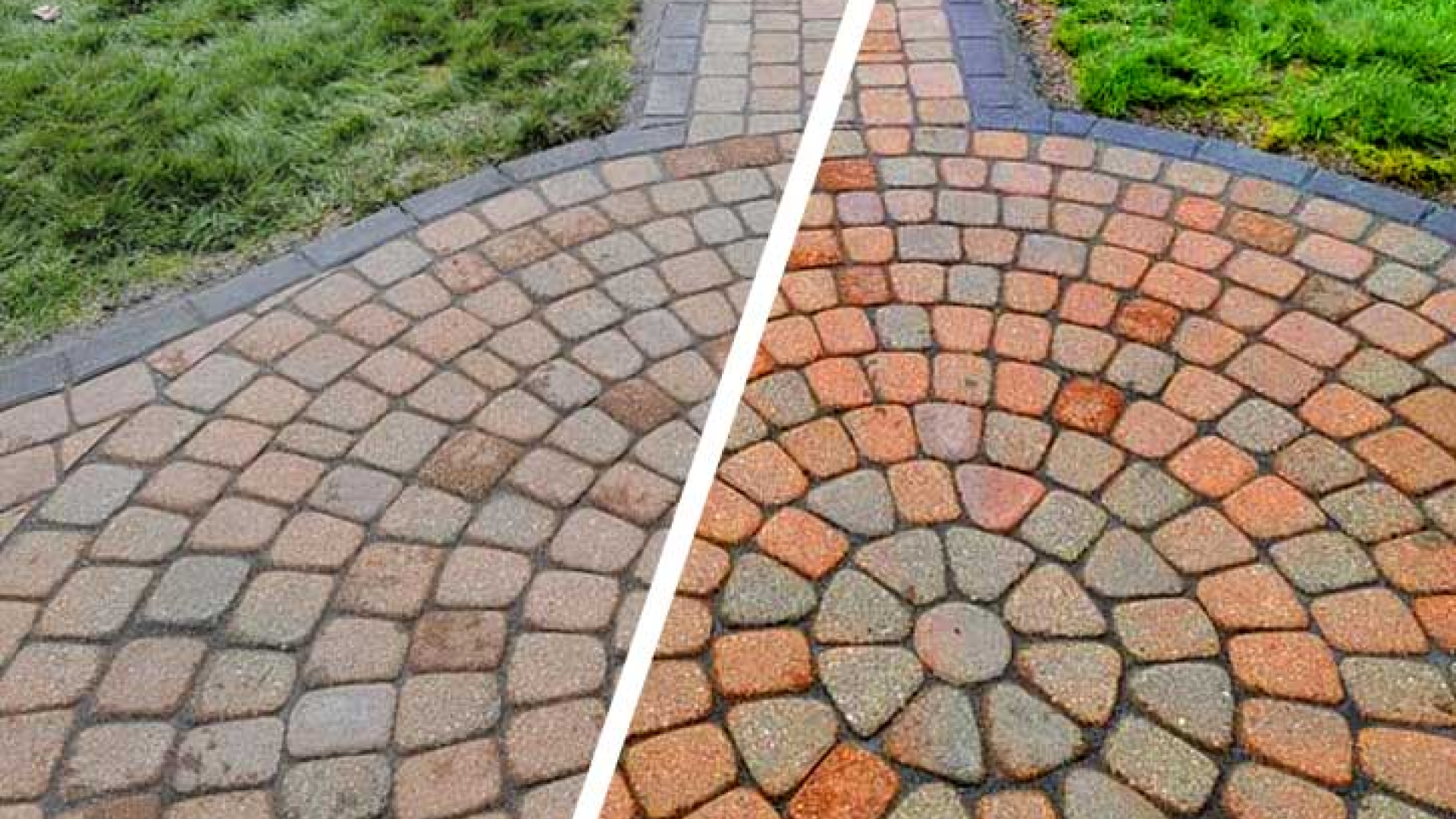
Brick pavers are valued for their durability, timeless appearance, and ability to enhance outdoor spaces. However, even the highest-quality pavers are constantly exposed to environmental elements that can gradually affect their appearance. One of the most common causes of color loss and surface deterioration is prolonged ultraviolet (UV) exposure from the sun.
While fading may initially seem like a cosmetic concern, it can also be an early indicator that your pavers need professional attention. At Brick Paver Creations, helping property owners protect and restore outdoor surfaces through brick paver repair, brick paver restoration, brick paver sealing, brick cleaning, and ongoing brick paver maintenance is the primary focus. Understanding how UV exposure impacts brick pavers can help homeowners and property managers make informed decisions that preserve both appearance and long-term performance.
Why Sun Exposure Affects Brick Pavers
Brick pavers spend every day exposed to sunlight, changing temperatures, and weather conditions. Over the years, UV rays gradually break down protective surface elements and contribute to visible fading. The process is typically slow, which is why many homeowners do not notice the changes until significant discoloration has already occurred.
Understanding the factors that determine how long your hardscape lasts is crucial, as UV exposure directly affects:
Surface color vibrancy
Overall curb appeal
Protective sealers
Surface durability
Long-term appearance consistency
Without proper maintenance, fading often becomes more noticeable with each passing season.
How UV Rays Cause Color Fading
The sun emits ultraviolet radiation that can slowly alter the appearance of outdoor materials. Continuous exposure causes pigments and surface finishes to break down over time. As UV exposure accumulates, homeowners may notice:
Dull-looking pavers
Uneven coloration
A washed-out appearance
Reduced visual contrast between pavers
This is especially common in areas that receive direct sunlight throughout most of the day. For homeowners searching for local hardscape experts, fading is often one of the first reasons they seek a professional evaluation. To separate fact from fiction regarding sun damage, it helps to spend time debunking common myths about brick paver restoration and maintenance.
Weather and UV Exposure Work Together
Sunlight is rarely the only factor affecting brick pavers. UV exposure often works alongside moisture, temperature fluctuations, and everyday wear. In regions like the Midwest, environmental conditions can be particularly harsh. Learning how weather impacts brick paver integrity reveals how these elements work together to accelerate:
Surface aging
Joint sand deterioration
Moisture penetration
General wear and tear
As protective layers weaken, pavers become more vulnerable to environmental damage. This is why comprehensive property care focuses on both appearance and structural protection.
Why Sealer Breakdown Leads to Faster Fading
A properly applied sealer acts as a protective barrier between the paver surface and the elements. However, UV rays gradually wear down sealers over time. As sealers degrade, pavers become increasingly exposed to direct sunlight, rain, moisture, dirt accumulation, and surface staining.
Once protection is reduced, fading accelerates. This is why professional care is an important part of long-term hardscape maintenance. When planning your upkeep, it is wise to research the best seasons for brick paver sealing to maximize the lifespan of the protective layer. Sealing helps maintain appearance while reducing exposure-related deterioration.
Signs UV Exposure Is Affecting Your Brick Pavers
Many homeowners do not realize their pavers are experiencing UV damage until the changes become significant. Common warning signs include:
Faded Color
One of the most obvious indicators is a noticeable loss of color intensity compared to the original appearance.
Uneven Appearance
Areas receiving more direct sunlight may fade faster than shaded sections, creating inconsistent coloration across your patio or driveway.
Dull Surface Finish
Pavers may lose the rich appearance they once had, making outdoor spaces look older than they actually are.
Increased Surface Wear
As protective sealers break down, pavers become more susceptible to additional environmental stress and physical degradation.
If these signs are present, utilizing a 3-step brick paver inspection, repair, and maintenance workflow can help identify the exact level of restoration needed.
The Role of Brick Cleaning in Color Preservation
Over time, dirt, debris, organic buildup, and surface contaminants can make fading appear even worse. Professional washing services help by removing accumulated grime, revealing the true condition of the masonry, preparing surfaces for sealing, and improving overall appearance.
Cleaning is often the first step in a complete hardscape rejuvenation process. For surfaces plagued by deep discoloration, reviewing a guide on brick paver cleaning for tough grime and organic growth shows how deep cleaning restores original tones. A clean surface also allows sealers to bond more effectively, improving long-term protection.
How Brick Paver Sealing Helps Protect Against UV Damage
One of the most effective defenses against UV-related fading is professional sealing. Investing in brick paver surface protection and choosing the right sealer ensures your stone resists sun bleaching.
+-----------------------------------------------------------------+
|                  Benefits of Professional Sealing               |
+-----------------------------------------------------------------+
|  • Preserves rich color vibrancy                                |
|  • Reflects harmful UV radiation                                |
|  • Blocks moisture and chemical penetration                     |
|  • Enhances aggregate and sand stability                        |
|  • Extends total hardscape life expectancy                     |
+-----------------------------------------------------------------+
For both residential hardscapes and commercial walkways, proper sealing is an important investment in long-term surface preservation.
Why Restoration May Be Necessary for Severely Faded Pavers
In some cases, years of sun exposure can leave pavers looking significantly aged and worn. Professional restoration services can help address surface discoloration, joint sand loss, minor structural concerns, and overall appearance deterioration.
When structural issues arise alongside fading, homeowners often face a choice. Consulting resources that explain when to choose restoration vs. full brick paver replacement can save thousands of dollars by opting to renew rather than replace. Restoration often combines deep cleaning, structural adjustments, joint stabilization, and commercial-grade sealing to improve both aesthetics and performance.
Residential and Commercial Paver Maintenance Matters
Whether maintaining a residential patio or a large commercial walkway, consistent care is essential. Regular upkeep extends the paver lifespan, reduces fading, improves curb appeal, and minimizes future repair costs.
Understanding the hidden value of regular brick paver maintenance helps property owners view preventative treatments as a way to preserve equity. Preventive care is almost always more affordable than waiting for significant structural or aesthetic deterioration to occur.
Why Choose Brick Paver Creations
Brick Paver Creations specializes in preserving and restoring existing hardscape surfaces through expert paver repair and restoration alongside professional paver sealing and brick cleaning solutions.
According to their About Us page, the company brings more than 35 years of construction experience to every project. They focus on helping property owners extend the life and beauty of their outdoor investments. As trusted local experts, they provide customized solutions for both residential and commercial properties while emphasizing quality workmanship and long-term results. To learn more about hardscape care, you can read their educational articles on their dedicated blogs page.
Frequently Asked Questions
Can sunlight permanently fade brick pavers? Yes. Continuous UV exposure breaks down the pigments within the concrete or clay mix, gradually reducing color vibrancy and creating a permanently faded appearance if left unprotected.
Does brick paver sealing help prevent fading? Yes. High-quality professional sealers contain UV inhibitors that shield the underlying pigments from solar radiation, much like sunblock protects skin.
How often should brick pavers be sealed? Sealing schedules vary depending on sunlight exposure and foot traffic, but regular maintenance every 3 to 5 years helps preserve appearance and durability.
Can faded pavers be restored? In many cases, professional restoration services can significantly improve the appearance of faded pavers through specialized deep cleaning, color-enhancing sealers, and joint re-sanding.
Is brick cleaning important before sealing? Yes. Performing professional cleaning removes deep-seated contaminants, oils, and organic growth, ensuring the new sealer bonds perfectly to the paver surface.
Do commercial brick pavers fade faster than residential pavers? Both experience identical UV-related fading if exposed to the same amount of sunlight, though commercial spaces often require heavier-duty sealers due to added traffic wear.
Protect Your Brick Pavers from Long-Term Sun Damage
UV exposure is a natural part of outdoor life, but it does not have to permanently diminish the beauty of your hardscape. With proper preventative maintenance, routine cleaning, expert repairs, comprehensive restoration, and professional sealing, property owners can significantly reduce fading and extend the lifespan of their outdoor surfaces.
If your patio, driveway, walkway, or commercial hardscape is beginning to show signs of discoloration or wear, reach out via the Contact Us page to learn more about expert residential and commercial solutions.
Contact Information
Email: brickpavers@comcast.net
Call: (708) 372-8481