

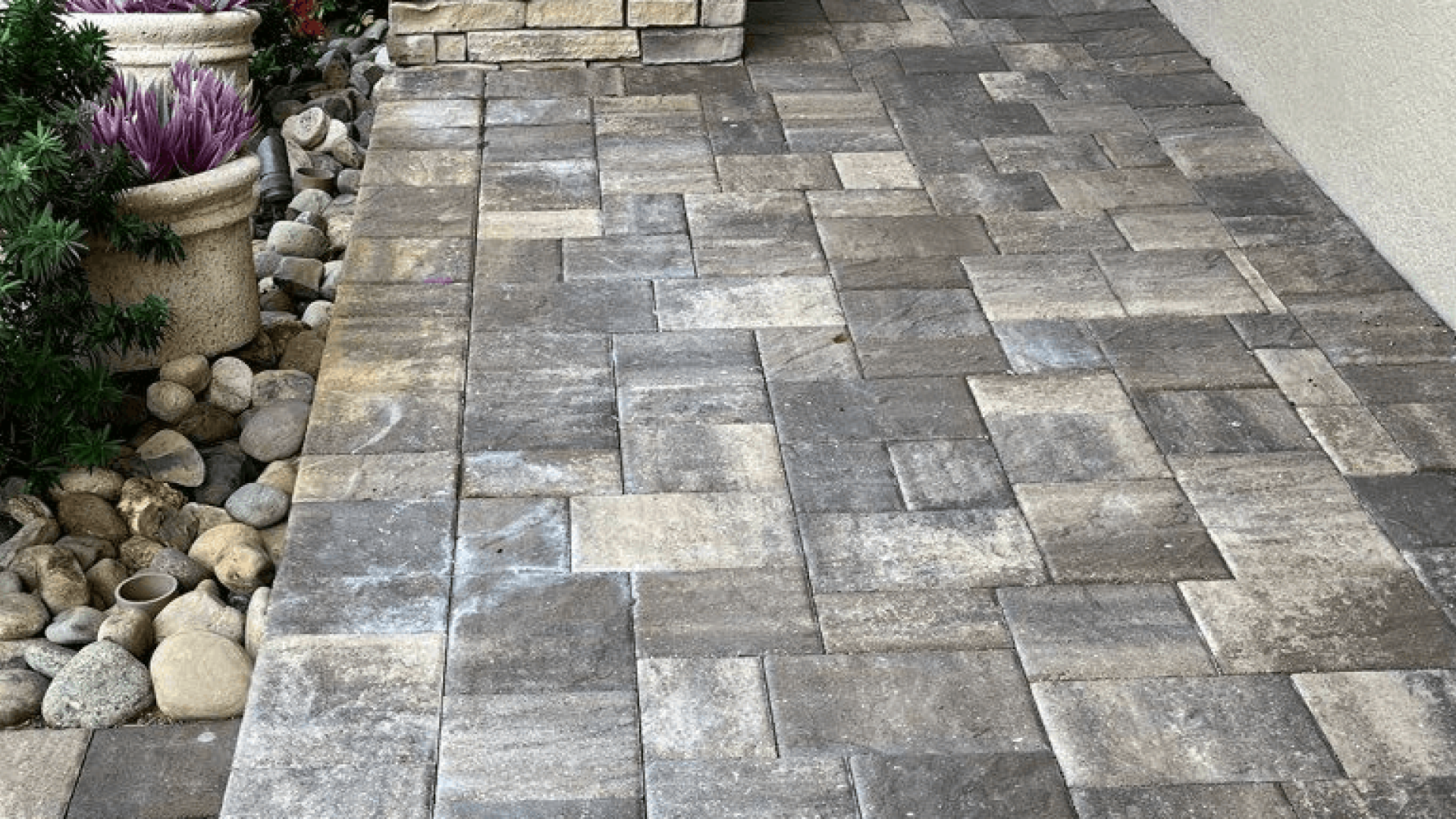
Few things are more frustrating than investing in professional brick paver sealing only to notice a cloudy white film appearing across the surface afterward. This discoloration, often called "white haze," can make otherwise beautiful brick pavers look aged, dirty, or improperly maintained.
While white haze may appear suddenly, it is usually the result of underlying moisture, application conditions, or surface preparation issues. Understanding what causes this problem can help homeowners and property managers protect their investment and maintain the appearance of their paver surfaces.
At Brick Paver Creations, proper preparation, brick cleaning, brick paver restoration, and sealing procedures are essential parts of helping both residential brick pavers and commercial brick pavers achieve long-lasting results.
What Is White Haze on Brick Pavers?
White haze is a cloudy, milky, or whitish film that appears on the surface of sealed brick pavers. It can range from light patches in isolated areas to widespread discoloration across an entire patio, driveway, or walkway.
In many cases, the haze becomes noticeable shortly after sealing, although it can sometimes develop gradually over time. The appearance may resemble:
A chalky coating
Cloudy spots
Milky streaks
Dull white patches
Uneven discoloration
Many homeowners searching for "brick paver repair near me" initially assume their pavers are structurally damaged when the issue is actually related to moisture or specific brick paver sealing mistakes made during the application process.
Trapped Moisture Is a Common Cause
One of the most frequent causes of white haze is moisture trapped beneath the sealer. Brick pavers naturally absorb moisture from rainfall, irrigation systems, humidity, and ground moisture beneath the paver system itself.
If pavers are sealed before they are fully dry, moisture becomes trapped below the protective coating. As that moisture attempts to escape, it creates a cloudy or hazy appearance. This is why a proper surface evaluation is such an important part of professional brick paver maintenance, and why selecting the best seasons for brick paver sealing is critical for optimal curing.
Inadequate Surface Preparation
Before sealing, pavers must be thoroughly cleaned and prepared. If contaminants remain on the surface, they can interfere with how the sealer bonds to the brick. Common preparation issues include:
Dirt and dust buildup
Organic debris and mold
Residual cleaning chemicals
Existing moisture retention
Understanding why brick paver cleaning should precede sealing is fundamental to avoiding a hazy finish. Professional paver sealing and brick cleaning services ensure the surface is completely clear before sealing begins, as applying products over an unwashed surface leads to major performance issues.
Excessive Sealer Application
Applying too much sealer can also contribute directly to white haze. When excessive sealer remains on the surface rather than penetrating properly, it cures unevenly and creates a thick, cloudy appearance. Overapplication can lead to:
Surface whitening
Sticky or tacky residue
Uneven gloss levels
Premature sealer peeling and failure
To avoid this, it is highly beneficial to look at a step-by-step brick paver sealing protocol. Applying the proper number of thin coats helps ensure the product performs as a protective barrier rather than creating cosmetic flaws. Property owners must also focus on film-forming vs. penetrating products to choose the right sealer type for their specific climate and paver material.
Poor Weather Conditions During Sealing
Environmental conditions play a massive role in sealing success. Sealing during unfavorable weather conditions can drastically increase the likelihood of haze formation. Dangerous environmental factors include:
High relative humidity
Recent, heavy rainfall
Excessive moisture trapped in the paver pores
Unexpected temperature drops or rain during the curing window
In the Midwest, understanding how weather impacts brick paver integrity helps local experts select the exact right day for application, minimizing the risk of moisture interfering with the chemical curing process.
Efflorescence Beneath the Surface
White haze is sometimes confused with efflorescence. Efflorescence occurs when naturally occurring salts within the paver or the bedding sand migrate to the surface as moisture evaporates. This process leaves behind:
A white, powdery residue
Chalk-like crystalline deposits
Widespread surface discoloration
When sealer is applied over efflorescence, it traps the salt crystals permanently beneath the clear coat. For a deeper look at these differences, reading about common brick paver problems can help you identify whether your issue is topical sealer blushing or sub-surface mineral deposits.
Drainage Problems Can Contribute to Haze
When water repeatedly accumulates beneath or around pavers, moisture-related issues become inevitable. Poor drainage contributes to trapped moisture, rapid efflorescence development, surface discoloration, and accelerated wear.
In fact, moisture accumulation can cause severe underlying damage, which is explained in detail in the guide on why drainage is the silent killer of brick paver driveways & patios. Correcting these moisture problems through proper grading and base management supports both visual beauty and long-term durability.
Why Professional Brick Paver Restoration Matters
If white haze persists, the solution involves more than simply washing the surface. It often requires stripping the old, failing sealer and starting fresh. Professional paver repair and restoration services can help identify and address the root causes, including:
Chronic moisture retention
Joint sand deterioration
Sub-surface drainage issues
Severe sealer performance failure
A comprehensive, professional approach prevents recurring issues while completely restoring the deep, rich appearance of the pavers. Property owners can learn more about the complete process by reviewing the brick paver restoration timeline to understand exactly how failing sealers are safely removed and replaced.
Preventing White Haze in the Future
Although white haze can be corrected with professional assistance, prevention is always the preferred route. Follow these industry best practices to protect your hardscape:
Thorough Brick Cleaning
Always use specialized equipment to lift grease, weeds, and old debris. Reviewing brick paver cleaning mistakes that hurt long-term health will help ensure you don't use wrong pressures or damaging chemicals.
Proper Moisture Evaluation
Ensuring the pavers are sufficiently dry for at least 24 to 48 hours before sealing completely reduces the risk of trapped vapor blushing.
Appropriate Sealer Application
Using professional-grade sprayers or rollers ensures a thin, uniform application that bonds deeply without pooling on the brick surface.
Routine Brick Paver Maintenance
Establishing a routine 3-step brick paver inspection, repair, and maintenance schedule helps catch drainage issues and joint sand loss before they lead to widespread surface haze.
Residential and Commercial Brick Paver Considerations
White haze doesn't discriminate; it can affect both residential brick pavers and commercial brick pavers alike. Whether the surface is a private backyard patio or a sprawling commercial plaza, proper maintenance remains critical.
Paver ApplicationKey Risk Factors for White HazeRecommended MaintenanceResidential (Patios, Walkways, Driveways)Downspout runoff, over-irrigation, shade preventing deep drying.Annual inspections, localized spot cleaning, and re-sealing every 3–5 years.Commercial (Plazas, Entryways, Walkways)Heavy power-washing cycles, massive surface areas trapping ground moisture.Commercial-grade penetrating sealers, professional drainage assessments.
Investing in timely care results in fewer moisture-related problems over the lifespan of your hardscape.
Why Choose Brick Paver Creations
Brick Paver Creations specializes in helping property owners preserve and restore brick paver surfaces through expert services. Discover more about our team's commitment to quality craftsmanship. With more than 35 years of construction experience, the company focuses on extending the life and appearance of existing paver installations through professional restoration techniques.
As trusted local hardscape experts, Brick Paver Creations provides tailored solutions for both residential and commercial properties, helping clients maintain attractive, durable, and haze-free outdoor surfaces.
Frequently Asked Questions
What causes white haze after brick paver sealing?
White haze is most commonly caused by trapped moisture beneath the sealer coat, over-application of the sealing product, or sealing the surface in highly humid or cold conditions.
Is white haze the same as efflorescence?
Not always. Efflorescence consists of natural salt deposits that migrate out of the brick due to water movement. White haze can be caused by efflorescence, but it is frequently just trapped moisture or improperly cured acrylic sealer.
Can white haze be removed from brick pavers?
Yes. In many cases, it requires a professional application of a specialized solvent to re-emulsify the sealer, or a complete chemical stripping process to remove the clouded layer before re-applying a fresh coat correctly.
Does moisture contribute to white haze?
Absolutely. Moisture trapped beneath the non-porous layer of a sealer is the primary driver behind a cloudy, milky, or blinking appearance on brick surfaces.
Protect Your Brick Pavers with Proper Sealing and Maintenance
White haze on brick pavers is a clear sign that moisture, surface preparation, or sealing conditions need immediate attention. While the discoloration is incredibly frustrating, identifying the underlying cause is the first step toward restoring your hardscape's original beauty.
Through professional brick paver repair, restoration, cleaning, and ongoing maintenance, Brick Paver Creations helps homeowners and property managers protect the longevity of their outdoor investments. Check out our latest industry insights on our blogs page to read more about keeping your hardscape pristine.
If your pavers are showing signs of white haze, cloudiness, or moisture damage, don't let the problem worsen. Contact us today to learn more about our trusted restoration solutions.
Contact Information:
Email: brickpavers@comcast.net
Call: (708) 372-8481