

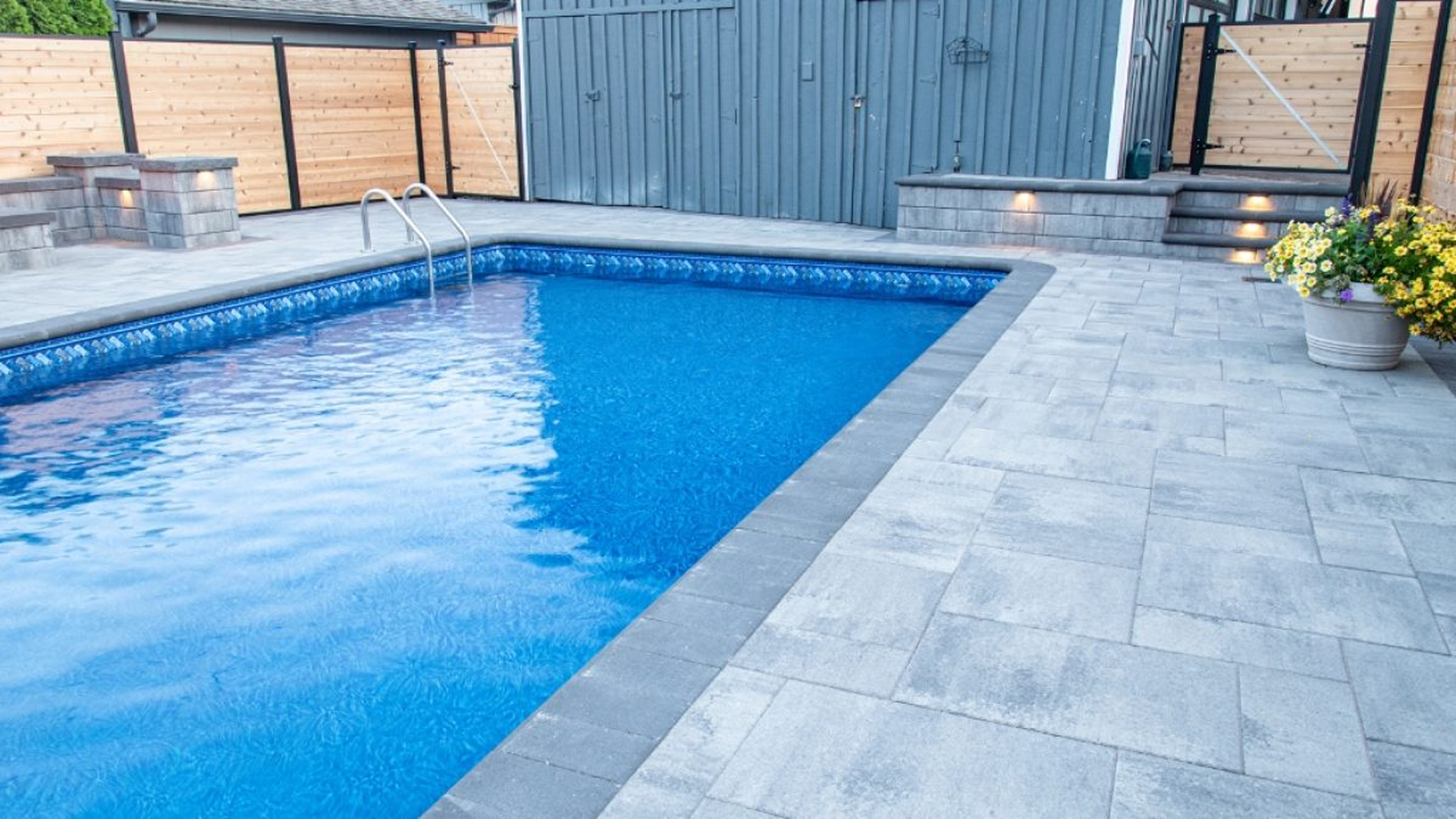
Poolside brick pavers create an attractive, functional outdoor environment that enhances both property value and enjoyment. However, because pool areas are constantly exposed to water, proper runoff and drainage play a critical role in maintaining the condition, safety, and longevity of the paver system.
Without effective water management, moisture can gradually compromise the appearance and structural integrity of brick pavers. Over time, this may lead to costly repairs, uneven surfaces, and premature deterioration.
At Brick Paver Creations, proper drainage is an important consideration in long-term brick paver maintenance, brick paver repair, brick paver restoration, brick paver sealing, and brick cleaning services. Understanding the importance of water runoff can help homeowners protect their poolside investment and avoid common brick paver problems.
Why Poolside Areas Face Unique Challenges
Unlike patios or walkways that experience occasional exposure to rain, pool decks are regularly subjected to water from multiple sources. These may include:
Pool splash-out
Swimmer traffic
Pool cleaning activities
Rainfall
Irrigation systems
Humidity and evaporation cycles
Because moisture is present so frequently, poolside residential brick pavers require consistent attention to drainage and maintenance. When water cannot move away efficiently, problems often develop below the surface long before they become visible. In fact, many property owners do not realize how moisture beneath brick pavers leads to long-term structural failure until major shifting occurs.
How Poor Water Runoff Affects Brick Pavers
Water that remains on or beneath brick pavers for extended periods can gradually weaken the overall paver system. Common consequences include:
Base erosion
Joint sand loss
Surface shifting
Uneven pavers
Weed growth
Moisture-related staining
Many homeowners searching for brick paver repair near me discover that drainage issues are the root cause of their paver problems. Understanding why drainage is the silent killer of brick paver driveways & patios highlights the importance of managing water flow early to prevent more extensive restoration work later.
Water Pooling Can Lead to Structural Instability
One of the clearest signs of poor drainage is standing water after rainfall or pool use. When water repeatedly collects in the same areas, it may begin to infiltrate the paver joints and underlying base. Over time, this can cause:
Foundation weakening
Surface settlement
Sunken pavers
Trip hazards
Uneven deck surfaces
When the base material washes away, the entire layout is compromised. Learning the early warning signs your brick paver base is failing can save you from sudden pooling hazards. Professional paver repair & restoration services often involve correcting these underlying conditions to restore both appearance and stability, addressing why brick pavers sink at its source.
Joint Sand Loss Accelerates Deterioration
Joint sand is essential for helping brick pavers remain secure and properly aligned. Excessive water runoff can gradually wash away this material, creating gaps between pavers. As joint sand disappears:
Pavers become less stable
Weed growth becomes more common
Water penetrates deeper into the base
Surface movement increases
Reviewing a brick paver joint sand 101 guide reveals just how vital this small element is to the interlocking structure. Routine brick paver maintenance helps identify and address joint erosion, ensuring homeowners know when to re-sand brick pavers before it leads to larger structural concerns.
Moisture Encourages Weed and Organic Growth
Poolside environments naturally contain more moisture than many other outdoor areas. When water remains trapped between pavers, it can encourage:
Weed growth
Moss development
Organic buildup
Surface discoloration
Although these issues may initially appear cosmetic, they often indicate moisture retention beneath the surface. Homeowners can utilize a pool brick paver maintenance checklist to keep weeds at bay. Professional paver sealing & brick cleaning services help remove buildup while supporting a healthier, more stable paver environment.
Proper Runoff Helps Preserve Surface Appearance
Water management affects more than structural performance—it also impacts aesthetics. Poor drainage can contribute to:
Surface staining
Efflorescence
Dirt accumulation
Uneven coloration
Premature aging
To mitigate these risks, it helps to understand common brick paver stains & cleaning protocols. Homeowners who invest in proactive care often find it much easier to maintain the attractive appearance of their pool deck over time.
The Role of Brick Paver Sealing Around Pools
Because pool decks experience constant moisture exposure, professional brick paver sealing can provide an additional layer of protection. Sealing helps:
Reduce moisture penetration
Protect against environmental wear
Support color retention
Improve long-term durability
Simplify routine maintenance
For poolside residential brick pavers, sealing is an essential defensive barrier. Consulting a comprehensive brick paver sealing guide can help you choose the best time and method to shield your stone from continuous water exposure.
Why Drainage Problems Should Never Be Ignored
Minor drainage issues rarely remain minor for long. What begins as occasional water pooling can eventually contribute to:
Extensive settling
Widespread paver movement
Larger restoration needs
Increased maintenance costs
Timely intervention can prevent minor issues from turning into major structural overhauls. Homeowners wondering whether to repair or replace brick pavers should always address runoff issues first, as the sooner runoff issues are identified, the easier they are to correct.
Commercial Pool Areas Require Ongoing Attention
For hotels, community pools, and commercial properties, drainage is equally important. Effective commercial brick paver solutions help property managers maintain:
Safe walking surfaces
Professional appearance
Reduced liability risks
Long-term durability
Consistent maintenance and drainage monitoring can significantly extend the life of commercial poolside paver installations, protecting guests and property assets simultaneously.
How Professional Brick Paver Restoration Helps
When drainage-related damage has already occurred, professional brick paver restoration services can help restore the integrity of the system. Restoration may involve:
Re-leveling sunken areas
Correcting base issues
Replacing damaged pavers
Reinstalling joint sand
Preparing surfaces for sealing
A comprehensive restoration approach addresses both visible damage and the underlying causes. Utilizing expert paver restoration benefits ensures your pool deck remains level, beautifully blended, and structurally sound for years to come.
Why Choose Brick Paver Creations
Brick Paver Creations specializes in helping property owners protect and restore existing paver surfaces through expert:
Brick paver repair
Brick paver restoration
Brick paver sealing
Brick cleaning
Brick paver maintenance
With more than 35 years of construction experience, the company focuses on preserving the beauty and longevity of brick paver installations through professional restoration and maintenance services. To learn more about the team's commitment to quality hardscaping, visit our about page. As trusted local brick paver experts, Brick Paver Creations serves both residential and commercial clients with solutions designed to improve durability, appearance, and performance.
For more tips, guides, and hardscape inspiration, feel free to browse our full collection of blogs.
Frequently Asked Questions
Why is proper water runoff important for poolside brick pavers?
Proper runoff helps prevent moisture buildup, erosion, shifting pavers, and long-term structural damage.
Can standing water damage brick pavers?
Yes. Repeated water pooling can weaken the base, wash away joint sand, and contribute to surface settlement.
How does water affect joint sand?
Excessive moisture can gradually erode joint sand, leading to instability and increased weed growth.
Does brick paver sealing help around pools?
Yes. Professional brick paver sealing helps reduce moisture penetration and supports long-term durability.
What are signs of drainage problems near a pool deck?
Common signs include standing water, uneven pavers, weed growth, joint erosion, and recurring moisture-related staining.
Can damaged poolside pavers be restored?
In many cases, professional brick paver restoration services can restore stability and appearance without full replacement.
Protect Your Poolside Brick Pavers with Proper Drainage and Maintenance
Water is unavoidable around pools, but long-term damage does not have to be. Proper runoff helps preserve the structural integrity, safety, and appearance of your brick paver surfaces while reducing future repair costs.
Through expert brick paver repair, brick paver restoration, brick cleaning services, professional brick paver sealing, and ongoing brick paver maintenance, Brick Paver Creations helps homeowners and property managers protect their investment and extend the life of their outdoor spaces.
If your pool deck is showing signs of water pooling, shifting pavers, or moisture-related wear, contact us to learn more about our trusted solutions for residential and commercial brick pavers.
Get in Touch with the Experts:
Email: brickpavers@comcast.net
Call: (708) 372-8481