

Introduction
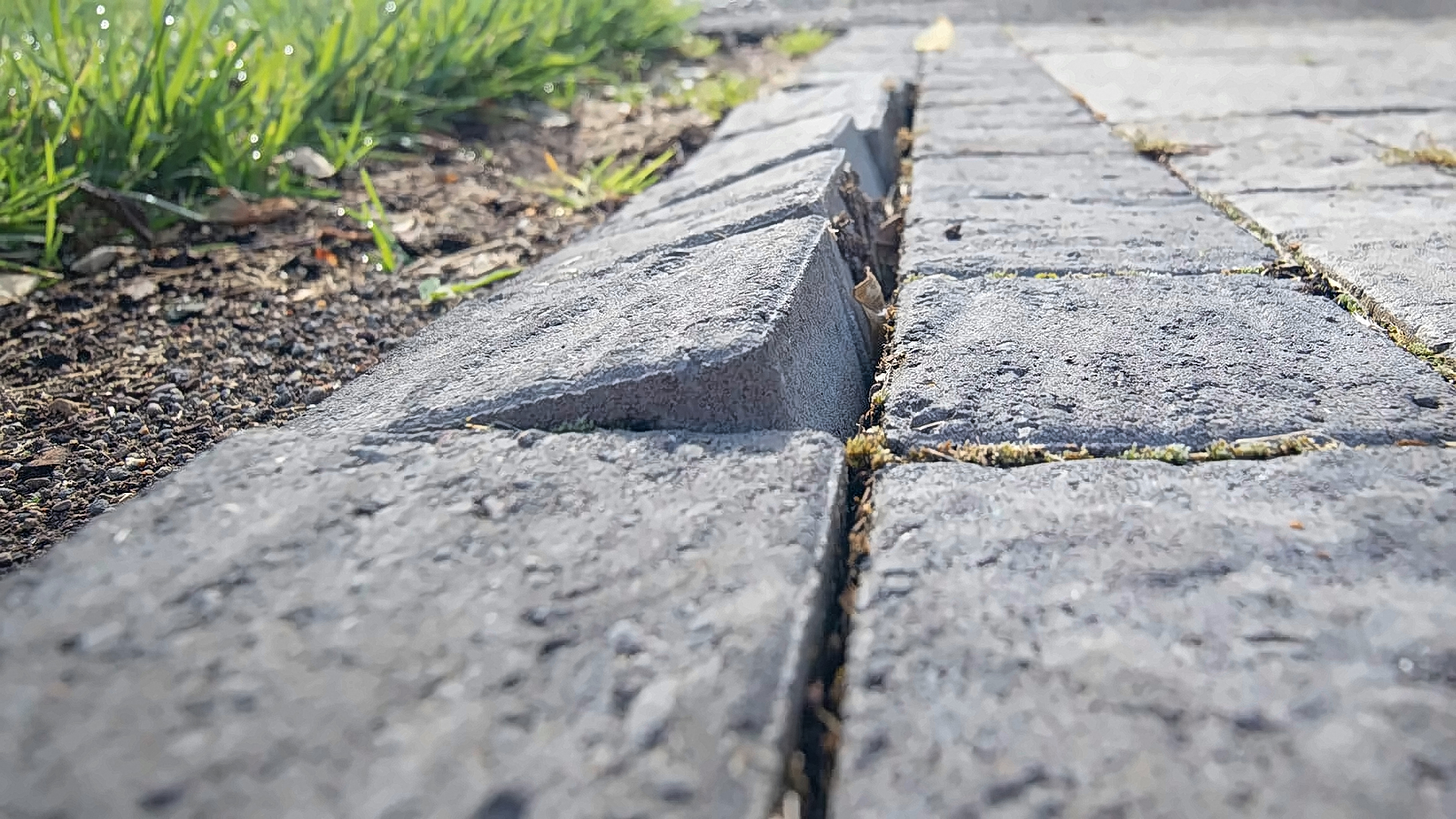
Loose brick pavers can make an otherwise attractive patio, driveway, walkway, or pool deck look uneven and neglected. A brick paver that rocks underfoot, shifts out of alignment, or separates from neighboring stones may seem like a minor issue. However, if the problem is ignored, it can lead to additional movement, water infiltration, and potential tripping hazards. The good news is that loose brick pavers do not always require a complete surface replacement. In many situations, individual brick pavers can be lifted, the underlying materials corrected, and the original stones reinstalled. This process, often called localized brick paver repair or spot restoration, allows homeowners to address damaged areas while preserving the surrounding hardscape. The right repair method depends on what caused the brick pavers to become loose. Missing joint sand, uneven bedding material, poor drainage, soil movement, and unstable base preparation can all contribute to the problem. Simply pushing a loose brick paver back into position may improve its appearance temporarily, but it will not necessarily prevent the same issue from returning. Understanding how professional brick paver repair works can help homeowners make informed decisions about maintaining their patios, driveways, and walkways. With a proper inspection and the right restoration process, many loose brick pavers can be stabilized without replacing the entire paved surface.
What Causes Brick Pavers to Become Loose?
Brick pavers are designed to work together as an interlocking surface. Their stability depends on several components, including the compacted aggregate base, bedding sand, joint material, edge restraints, and proper drainage. When one or more of these components becomes compromised, individual brick pavers may begin shifting, separating, sinking, or rocking.
1. Missing or Deteriorated Brick Paver Joint Sand
Joint sand fills the narrow spaces between neighboring brick pavers. It helps restrict sideways movement and supports the interlocking structure of the paved surface. Over time, rainwater, pressure washing, foot traffic, and regular weather exposure can gradually remove this material. When the joints become empty, brick pavers have more room to move. For example, a brick paver patio located beneath a downspout may experience repeated water runoff. As the joint sand washes away, individual stones can gradually become unstable. Homeowners can learn more about why brick paver joints lose sand over time.
2. Uneven Brick Paver Bedding Sand
Brick pavers generally rest on a thin bedding layer above a compacted aggregate base. This layer provides consistent support beneath each stone. If the bedding sand shifts, washes out, or becomes uneven, a brick paver may lose proper contact with the material underneath it. This often creates a rocking sensation. One side of the stone may sit higher than the other, making the surface uncomfortable or unsafe to walk across. These problems are closely related to what causes brick pavers to rock or wiggle when walked on.
3. Settling Beneath the Brick Paver Base
The aggregate base provides structural support for the entire brick paver installation. If the base was not properly prepared or compacted, certain areas may settle under repeated loads. Settlement can also occur because of changing soil conditions, water infiltration, nearby excavation, or regular vehicle traffic. Compacted soil and its effect on brick paver stability is another important consideration when evaluating movement beneath a paved surface. A sunken brick paver near the edge of a driveway, for instance, may indicate that the underlying base has lost support. Replacing the visible stone without correcting the base will not provide a lasting repair.
4. Water Drainage Problems Around Brick Pavers
Water is a common contributor to brick paver movement. Poor drainage can allow moisture to collect beneath or around the paved surface. In colder climates such as Illinois, repeated freezing and thawing can contribute to movement in saturated soil and bedding materials.
Look for signs such as:
Brick pavers that become uneven after heavy rainfall.
Low areas where water regularly collects.
Joint sand disappearing along drainage paths.
Border pavers that appear to have shifted.
Repeated movement in the same section of the patio or walkway.
Homeowners can also review what they should know about brick paver drainage slopes to understand why proper water movement matters.
5. Damaged Brick Paver Edge Restraints
Edge restraints help prevent the outside rows of brick pavers from spreading outward. They are especially important along patios, walkways, and driveways. If an edge restraint becomes loose, damaged, or improperly secured, brick pavers near the perimeter may gradually separate. This can create wider joints, shifting border stones, and visible changes in the original paver pattern. Recognizing the signs you need brick paver edge restraint repair can help homeowners address the problem before it spreads.
Can Loose Brick Pavers Be Repaired Individually?
Yes. In many cases, loose brick pavers can be repaired individually without replacing the entire patio, driveway, or walkway. The repair generally involves lifting the affected stones, inspecting the underlying bedding and base materials, correcting the source of movement, and reinstalling the original brick pavers. This is possible because most interlocking brick paver surfaces consist of individual units rather than one continuous slab. A contractor can often access a localized problem area while leaving the surrounding installation undisturbed.
When Individual Brick Paver Repair Is Suitable
Spot brick paver repair may be appropriate when:
Only a few brick pavers have become loose.
The surrounding surface remains relatively level.
The underlying aggregate base is stable.
Joint sand has disappeared from a limited area.
A small section has settled but the rest of the surface remains in good condition.
The original brick pavers are intact and can be reused.
Imagine a brick paver walkway with three loose stones near a garden bed. If the surrounding pavers remain stable and the base is in good condition, those three stones may be lifted, the bedding layer corrected, and the original pavers reinstalled.
When a Larger Brick Paver Repair Is Necessary
Individual repairs may not be enough if the damage extends beyond a few stones.
Warning signs include:
Widespread sinking across a brick paver patio or driveway.
Repeated movement in several connected areas.
A deteriorated or poorly compacted aggregate base.
Extensive drainage problems.
Failed edge restraints along a long section.
Significant soil erosion beneath the brick paver surface.
Even in these situations, replacing the entire paved surface may not be necessary. A contractor may be able to remove and rebuild only the affected section. Understanding how expert paver repair solves uneven and sunken areas can help homeowners recognize the value of addressing localized damage.
How Are Loose Brick Pavers Repaired Step by Step?
A proper brick paver repair involves more than repositioning the stones. The objective is to restore support underneath the pavers and reduce the conditions that caused the movement. Here is how a typical localized brick paver restoration is performed.
Step 1: Inspect the Loose Brick Pavers and Surrounding Area
The first step is identifying how many brick pavers are affected and why they have become loose. A professional will usually check whether the stones rock, sink, tilt, or move sideways. The surrounding joints, surface elevation, edges, and drainage patterns also need attention. The inspection should establish whether the problem is limited to the visible brick pavers or connected to a deeper structural issue. For example, one loose brick paver beside a downspout may point to water erosion. Several loose stones along a driveway edge may indicate an edge restraint problem. Identifying the cause helps determine how much of the paved surface needs to be opened. Homeowners can learn more about what to expect in a brick paver site inspection from experts.
Step 2: Carefully Remove the Affected Brick Pavers
Once the repair area has been identified, the loose brick pavers are carefully lifted. Specialized paver extraction tools can help remove individual stones without unnecessarily disturbing neighboring units. For a small repair, only the affected stones and enough surrounding pavers to access the problem may need to be removed. Careful removal matters because the original brick pavers may be reusable. Keeping them intact can also make it easier to maintain the existing color, pattern, and appearance. Before removal, it is helpful to note the original arrangement so the stones can be reinstalled in their correct positions.
Step 3: Inspect the Brick Paver Bedding Layer
With the pavers removed, the bedding layer becomes visible. The contractor checks whether the sand is uneven, washed out, contaminated, or displaced. Any unsuitable material may need to be removed and replaced. The bedding layer should provide consistent support beneath each brick paver. Simply adding extra sand in one spot without checking the surrounding elevation can create a new high or low point. This is particularly important when repairing a brick paver that rocks. The goal is to create an even support surface rather than raise one side until the stone appears level.
Step 4: Check and Repair the Brick Paver Base
The aggregate base must be inspected before the brick pavers are reinstalled. If the base is firm and stable, the repair may only require minor adjustments to the bedding layer. If it has settled, eroded, or become loose, the affected material may need to be removed and rebuilt.
A typical brick paver base correction may involve:
Removing loose or deteriorated aggregate.
Adding suitable compactable base material where necessary.
Restoring the required grade and elevation.
Compacting the material in appropriate layers.
Preparing a consistent bedding surface.
Compaction is essential. Loose aggregate can settle again after the brick pavers are replaced, causing the same unevenness to return. The depth and extent of base reconstruction depend on the surface, soil conditions, intended use, and severity of the damage. The importance of this work is also explained in the role of base prep in successful brick paver repair.
Step 5: Correct Drainage Problems Affecting the Brick Pavers
If water contributed to the movement, the repair should address the drainage conditions. A contractor may need to adjust the grade, correct a localized low area, or address a nearby drainage source. Downspouts, irrigation systems, and runoff from adjacent landscaping should also be considered. The finished brick paver surface should direct water appropriately rather than allowing it to collect beneath the stones. This step is especially important for outdoor hardscapes in Illinois, where moisture combined with winter freezing and thawing can contribute to recurring brick paver movement.
Step 6: Reinstall the Original Brick Pavers
After the underlying support has been corrected, the original brick pavers can be placed back into position. Each stone should sit evenly on the prepared bedding layer. The contractor checks the alignment, joint spacing, surface height, and relationship with neighboring pavers. If a brick paver is cracked, severely chipped, or otherwise unsuitable for reuse, a matching replacement may be needed. Maintaining the original layout is important for keeping the repaired section consistent with the surrounding patio, walkway, or driveway.
Step 7: Compact and Stabilize the Repaired Brick Paver Area
Once the brick pavers are positioned correctly, the repaired section is compacted using appropriate equipment and protective methods. Compaction helps seat the stones into the bedding layer and creates a more consistent surface. Equipment and procedures should be selected carefully to avoid damaging the paver finish. The contractor also checks whether the repaired brick pavers remain level with the surrounding surface.
Step 8: Refill the Brick Paver Joints With Sand
The final stage involves filling the joints between the brick pavers. Suitable joint sand is spread across the surface and worked into the spaces between the stones. The material depends on the paver system, joint width, drainage conditions, and the restoration method being used. Polymeric sand may be appropriate in some installations. It contains additives that help the sand bind after activation according to the manufacturer's instructions. However, polymeric sand is not suitable for every situation. The joints must be properly prepared, and the material must be installed under the correct conditions. After the joints are filled, excess material is removed and any required finishing steps are completed. Homeowners can explore how polymeric sand helps stabilize brick paver joints for more information.
What Is the Difference Between Re-Sanding and Re-Leveling Brick Pavers?
Re-sanding and re-leveling are two different brick paver repair methods. They address different causes of movement, so selecting the correct approach matters.
Re-Sanding Brick Paver Joints
Re-sanding involves replacing missing or deteriorated joint material between brick pavers.
It may be suitable when:
The brick pavers are already level.
The base and bedding layer remain stable.
Joint sand has washed away.
Minor sideways movement is associated with empty joints.
Re-sanding helps restore joint support, but it does not correct a sunken or uneven base.
Re-Leveling Brick Pavers
Re-leveling involves lifting affected brick pavers and correcting the bedding material or aggregate base underneath them.
It may be necessary when:
Brick pavers rock under pressure.
Individual stones sit lower than surrounding pavers.
The surface has developed uneven areas.
Bedding sand has shifted.
A localized section has settled.
Re-leveling generally requires more work than adding joint sand because the stones must be removed and their underlying support corrected.
The key difference: Re-sanding restores the material between brick pavers, while re-leveling restores the support and elevation beneath them. Some brick paver restoration projects require both.
Can Polymeric Sand Fix Loose Brick Pavers?
Polymeric sand can help stabilize brick paver joints, but it cannot repair every cause of loose pavers. It is a specialized jointing material containing sand and binding additives. When installed and activated according to the manufacturer's directions, it hardens to help reduce joint movement and resist washout.
What Polymeric Sand Can Do for Brick Pavers
Properly installed polymeric sand can:
Help hold brick paver joint material in place.
Reduce sand loss from rain and routine surface exposure.
Limit weed growth in properly filled joints.
Help stabilize the spaces between neighboring stones.
Support the overall appearance of the brick paver surface.
What Polymeric Sand Cannot Do
Polymeric sand cannot:
Rebuild a settled brick paver base.
Correct poor surface grading.
Replace missing bedding support.
Repair a failed edge restraint.
Stop ongoing soil erosion beneath the pavers.
Lift a sunken brick paver back to its proper height.
A common mistake is applying polymeric sand over a surface with loose or uneven brick pavers and expecting it to solve the problem. The material may harden in the joints, but the underlying movement can continue. For the best result, the brick pavers should be properly positioned and supported before the joints are filled.
Benefits of Reusing Existing Brick Pavers
If the original stones are in good condition, reusing them can offer several advantages.
Preserves the existing design: The original color, shape, and laying pattern can remain consistent.
Reduces material waste: Usable brick pavers do not need to be discarded.
Limits disruption: Only the necessary section may need to be opened.
Avoids unnecessary replacement: A localized problem does not automatically mean the entire patio or driveway has failed.
However, reuse is not always practical. Severely damaged stones or brick pavers that no longer match the surrounding installation may need replacement. Homeowners considering the options can also read about when to choose restoration versus full brick paver replacement.
How Can Homeowners Prevent Brick Pavers From Becoming Loose Again?
A successful brick paver repair should be supported by sensible maintenance. Although normal weather and ground movement cannot be eliminated, homeowners can reduce some common causes of paver instability.
Maintain Brick Paver Joints
Check the joints periodically for missing sand, especially after heavy rainfall, pressure washing, or seasonal changes. Refill joints when needed using a material suitable for the installation. Avoid assuming that a thin layer of surface sand is enough if the joints are substantially empty.
Keep Brick Paver Drainage Areas Clear
Make sure gutters, downspouts, and nearby drains direct water away appropriately. Watch for runoff that repeatedly flows across the same brick paver section. If water collects in low areas, have the grading and drainage conditions evaluated.
Use Pressure Washers Carefully on Brick Pavers
Excessive pressure or an unsuitable nozzle can remove joint sand and damage the paver surface. If pressure washing is necessary, use appropriate settings and techniques. Joint material may need to be replenished afterward. Read more about whether pressure washing can damage brick pavers.
Check Brick Paver Edges and Borders
Inspect the outside rows of patios, walkways, and driveways for spreading or separation. Addressing a loose edge restraint early can help prevent movement from extending farther into the paved area.
Address Small Brick Paver Problems Early
A brick paver that moves slightly today may become a larger problem after repeated foot traffic, rainfall, and seasonal temperature changes. Early inspection can help identify whether the issue is limited to the joints or involves the bedding layer and aggregate base.
When Should a Professional Inspect Loose Brick Pavers?
A homeowner may notice a loose stone, but determining the underlying cause can require a closer assessment. Professional brick paver inspection is especially useful when the affected area includes multiple stones, recurring movement, or visible settlement.
Consider arranging an evaluation if you notice:
Several brick pavers sinking or shifting together.
Stones that repeatedly become loose after repair.
Water pooling around the affected area.
Wide gaps forming between neighboring pavers.
Uneven sections that create tripping concerns.
Driveway pavers moving under vehicle weight.
Border stones spreading outward.
Significant movement after winter.
A professional brick paver restoration contractor can assess the surface, inspect the base and bedding materials, and determine whether spot repair or sectional restoration is appropriate. Homeowners can also review what to look for in a brick paver restoration company when choosing a contractor. For homeowners in Homer Glen and the Chicago Southwest Suburbs, local experience can also be useful because outdoor brick paver surfaces must withstand seasonal weather changes, moisture, and freeze-thaw conditions.
Common Mistakes to Avoid When Repairing Brick Pavers
Some repair attempts improve the appearance temporarily without restoring the structure underneath.
Adding Sand Without Finding the Cause
Filling empty joints may help when joint sand is the only problem. It will not correct a sunken base or uneven bedding layer beneath the brick pavers.
Placing Extra Sand Under One Side
Adding material beneath a rocking brick paver without checking the surrounding elevation can create an uneven installation. The entire support area should be prepared correctly.
Ignoring Water Movement Around Brick Pavers
If runoff continues washing material away, the repair may fail again. Drainage should be considered whenever water appears connected to the problem.
Using the Wrong Brick Paver Jointing Material
Not every joint sand or stabilizing product is suitable for every brick paver installation. Material selection should account for joint dimensions, drainage, and manufacturer recommendations.
Replacing Brick Pavers Without Correcting the Base
A new brick paver placed over unstable support can become loose just like the original one. The underlying problem must be corrected before the surface is restored.
Conclusion
Loose brick pavers do not automatically mean an entire patio, driveway, or walkway needs replacement. In many cases, the affected stones can be lifted, the bedding sand or aggregate base corrected, and the original brick pavers reinstalled.
The most important part of a lasting brick paver repair is identifying why the stones became loose. Missing joint sand, uneven bedding, base settlement, poor drainage, and failed edge restraints require different solutions. Re-sanding may be enough for minor joint deterioration, while sinking or rocking brick pavers usually require lifting and correcting the materials underneath. Homeowners can help protect their brick paver investment by maintaining the joints, monitoring drainage, checking the edges, and addressing small changes before they spread. When movement affects multiple stones or repeatedly returns, a professional inspection can help determine the right restoration approach. For many existing brick paver surfaces, localized repair and restoration provide a practical way to improve stability and appearance while preserving the parts of the installation that are still in good condition.
Frequently Asked Questions
1. Can loose brick pavers be repaired without replacing the entire patio?
Yes. If the problem is limited to a small area and the surrounding base remains stable, individual brick pavers can often be lifted, the bedding material corrected, and the original stones reinstalled. Larger areas may require sectional brick paver restoration rather than complete replacement.
2. Why do brick pavers become loose over time?
Common causes include missing joint sand, shifting bedding material, base settlement, water erosion, poor drainage, and failed edge restraints. Seasonal freeze-thaw cycles can also contribute to brick paver movement, particularly when moisture is present beneath the surface.
3. How do you fix a brick paver that rocks when stepped on?
The affected brick paver usually needs to be lifted so the bedding layer underneath can be inspected. Uneven or displaced material is corrected, the stone is reinstalled at the proper elevation, and the surrounding joints are refilled.
4. Can I put new sand between loose brick pavers?
You can add joint sand when the joints are empty and the brick pavers remain level and properly supported. However, if the stones rock, sink, or tilt, the underlying bedding or aggregate base may need repair before adding new joint material.
5. Does polymeric sand stop brick pavers from moving?
Polymeric sand can help stabilize brick paver joints and reduce joint-sand loss. However, it cannot correct a settled base, uneven bedding, or failed edge restraint. The brick pavers must be properly supported before polymeric sand is installed.
6. How many brick pavers need to be removed during a spot repair?
It depends on the size and location of the damaged area. Sometimes only a few brick pavers need to be lifted. In other situations, additional surrounding stones must be removed to access and properly repair the bedding or base material.
7. Can original brick pavers be reused after repair?
Yes, if the original brick pavers are structurally sound and have not suffered significant cracking or damage. Reusing them can help preserve the existing pattern and reduce the need for replacement materials.
8. How can I tell whether loose brick pavers have a base problem?
Signs include multiple sinking stones, repeated movement after repairs, uneven sections, and depressions that collect water. A professional brick paver inspection can help determine whether the issue involves the bedding layer, aggregate base, soil, or drainage.
9. Do loose brick pavers become worse during winter?
They can. Moisture beneath or around brick pavers may freeze and thaw as temperatures change, contributing to movement in certain conditions. Proper drainage, stable base preparation, and well-maintained joints help reduce the risk of recurring problems.
10. Is professional brick paver restoration better than replacing the entire surface?
If most of the existing brick paver surface is structurally sound, localized restoration may be a more practical option. A contractor can identify the damaged sections, repair the underlying cause, and preserve usable stones. Full replacement is generally considered when deterioration or structural problems are widespread.
