

Introduction
A brick paver patio can look beautiful when it is first installed, but its appearance and usability depend on more than the color, pattern, or quality of the pavers. The surface also needs a stable, properly prepared base that keeps the individual units level and supports everyday use. When brick pavers are not properly leveled, small irregularities can develop into noticeable problems, affecting safety, drainage, stability, and the overall appearance of an outdoor space. You might notice a walkway that feels uneven underfoot, a patio where rainwater collects in low spots, or a driveway where certain pavers begin to sink. These issues are not always caused by the pavers themselves. In many cases, the underlying problem involves poor base preparation, inadequate drainage, shifting soil, or erosion beneath the installation. For homeowners in Homer Glen and Chicago's Southwest Suburbs, seasonal weather can make these concerns particularly relevant. Freeze-thaw cycles, heavy rainfall, and changing soil conditions can contribute to movement in an improperly supported brick paver surface. Understanding what happens when brick pavers are not properly leveled can help you recognize early warning signs and decide when repair is necessary. With the right maintenance and restoration approach, many uneven paver surfaces can be corrected without automatically replacing the entire installation. Learn more about what brick paver restoration includes.
What Does It Mean When Brick Pavers Are Not Properly Leveled?
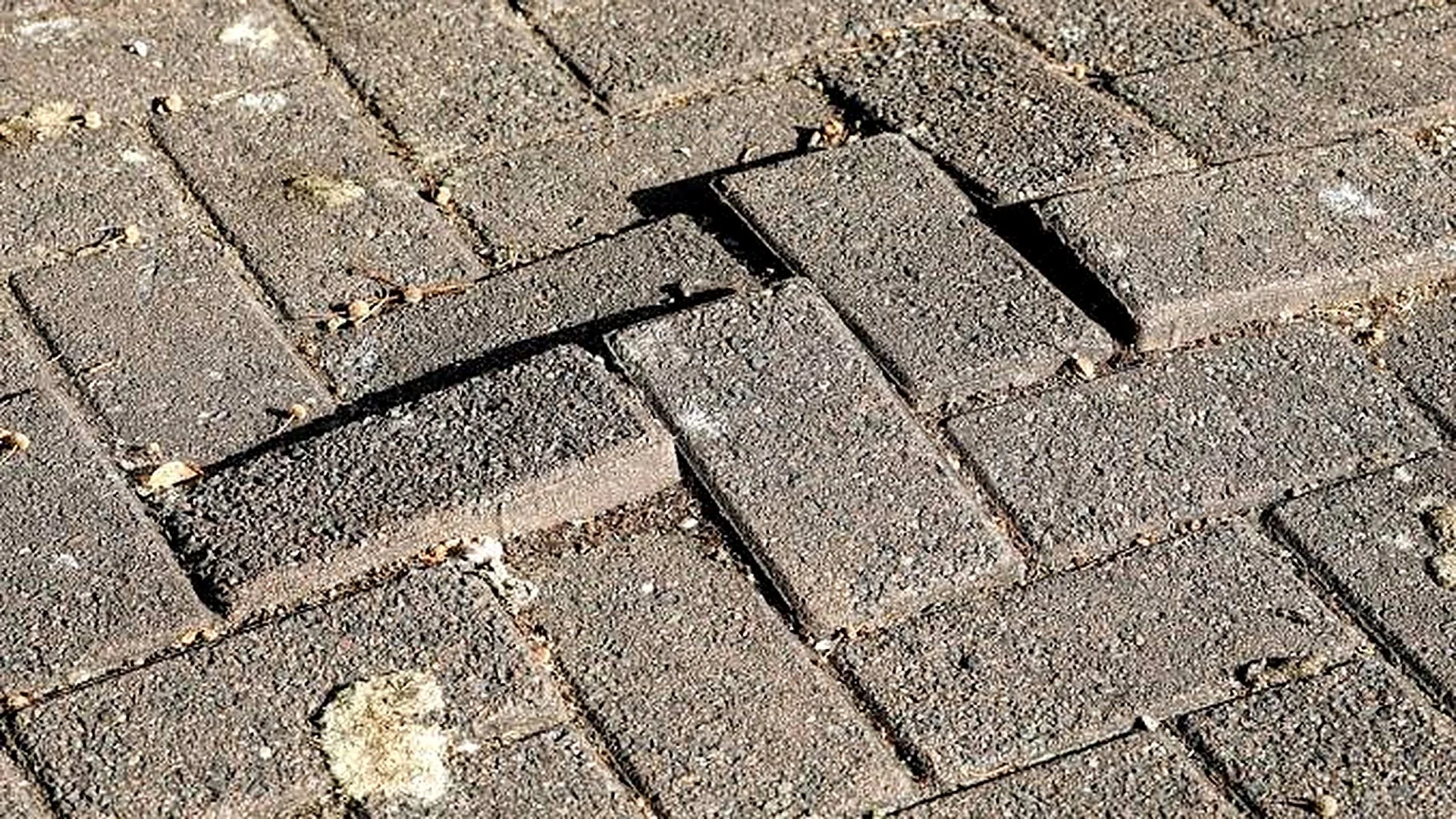
Properly leveled brick pavers form a stable, functional surface with consistent support and an appropriate slope for drainage. The goal is not necessarily to make every outdoor surface perfectly horizontal. Patios, walkways, and driveways often need a deliberate slope to direct water away from buildings and prevent standing water. An installation becomes problematic when individual pavers sit too high or too low, the surface develops unexpected dips, or the intended drainage pattern no longer works.
Several conditions can cause these problems:
An uneven or inadequately compacted base.
Poor grading before the pavers were installed.
Insufficient or inconsistent bedding material.
Erosion caused by water moving beneath the surface.
Soil settlement or movement.
Tree roots pushing against the pavers.
Freeze-thaw activity that contributes to lifting or shifting.
Heavy loads that expose weaknesses in the base.
For example, a brick paver walkway might look level immediately after installation but develop a dip near a downspout after repeated rainfall. The pavers may still be in good condition, yet water flowing beneath them could be washing away supporting material. Understanding how compacted soil affects brick paver stability can help explain why proper support matters. This distinction matters because correcting the visible surface without addressing the underlying cause may allow the problem to return.
What Problems Can Uneven Brick Pavers Cause?
1. Trip Hazards and Walking Difficulties
One of the most immediate consequences of uneven brick pavers is an increased risk of tripping. When one paver sits higher than its neighbor, the difference creates an unexpected edge. A person walking across a patio, driveway, or garden path may catch a shoe on the raised surface, particularly in poor lighting or when attention is elsewhere. Low pavers can also create awkward changes in footing. These irregularities may be especially inconvenient for children, older adults, visitors carrying items, or anyone using a mobility aid. The concern is not limited to large height differences. Repeated small changes across a walkway can make the surface uncomfortable and difficult to walk on. Homeowners can learn more about how to spot unsafe brick paver walkways before accidents happen. If a paver has suddenly lifted, shifted significantly, or become unstable, avoid walking over that area until it can be assessed. Marking or temporarily restricting access to a hazardous section can help reduce the risk of an accident.
2. Poor Drainage and Standing Water
Uneven brick pavers can interfere with the drainage pattern of an outdoor surface. A properly designed installation uses grading to direct water toward an appropriate drainage area. When the surface develops low spots, rainwater may collect instead of flowing away as intended. Standing water can leave muddy residue, encourage algae growth in suitable conditions, and make the patio or walkway slippery. Persistent moisture may also contribute to deterioration in the bedding material or erosion around the edges of the installation. Consider a patio where rainwater repeatedly collects near the house. The problem might be a settled section of pavers, but the original grading or a nearby drainage issue could also be responsible. Understanding what homeowners should know about brick paver drainage slopes can help clarify why the correct slope is important. Simply lifting the low pavers and adding more bedding material may not provide a lasting solution. The repair needs to restore the appropriate slope and identify why the surface became uneven. Water should also be directed away from foundations and other vulnerable areas. If drainage problems affect the house or persist after rain, a qualified professional may need to assess the broader grading and drainage conditions. Read more about why drainage is the silent killer of brick paver driveways and patios.
3. Shifting Pavers and Widening Joints
Brick pavers rely on the surrounding joints, edge restraints, bedding layer, and compacted base to remain in position. When the supporting material moves, individual units may begin shifting sideways or vertically. Joint spacing can become inconsistent, and gaps may widen in some areas while closing in others. Problems with the installation's edges may also contribute to movement, which is why proper edge restraints help prevent brick pavers from shifting over time. As the joints change, the surface may lose some of its original stability. Sand can wash out, weeds may find space to grow, and neighboring pavers may become more vulnerable to movement. Replacing missing joint sand can help maintain the installation, but it will not correct a seriously uneven base. Learn more about why brick paver joints lose sand over time. If the pavers continue moving after joint maintenance, the underlying support system should be inspected.
4. Cracked or Damaged Pavers
Concrete brick pavers and clay brick pavers are designed for outdoor use, but they still need appropriate support. When a paver bridges a void or rests unevenly on the bedding layer, pressure may concentrate in a smaller area. Repeated foot traffic or vehicle loads can increase stress on the unsupported unit. The result may be cracking, chipping, or damage along the edges. Not every cracked paver is caused by poor leveling, but inadequate support is one possible contributing factor. You can also read about the most common causes of cracked brick pavers. A professional inspection can help determine whether the damaged unit needs replacement, whether surrounding pavers need resetting, or whether a deeper base repair is necessary.
5. Reduced Durability of the Installation
Unevenness often indicates that something in the supporting structure is not performing as intended. A paver surface may continue to shift as water erodes bedding material, soil settles, or repeated loading affects a weak area. Without correction, the affected section may become progressively more difficult to maintain. This does not mean every uneven patio needs to be completely rebuilt. Localized settlement can sometimes be repaired by lifting and resetting the affected pavers. However, widespread movement, recurring dips, and persistent drainage problems may indicate that more extensive restoration is needed. Learn more about how much life professional brick paver maintenance can help preserve.
6. A Decline in Curb Appeal
An uneven brick paver driveway or patio can make an otherwise attractive property look poorly maintained. Raised edges, irregular joints, dips, and standing water interrupt the visual pattern of the installation. Even if the pavers retain their original color, the surface may no longer look clean and consistent. This can be particularly noticeable in outdoor entertaining areas, front walkways, and driveways that are visible from the street. Uneven surfaces may also affect property appeal, as discussed in how uneven brick pavers affect property value. Cleaning and sealing may improve the appearance of a paver surface, but these treatments do not correct unevenness. Leveling and structural repairs should be addressed before cosmetic maintenance is considered complete.
Why Do Brick Pavers Become Uneven?
Poor Base Preparation
The base provides the structural support beneath the pavers. If it is too thin for the intended use, poorly graded, or inadequately compacted, it may settle under traffic and environmental stress. A patio used primarily for foot traffic has different loading requirements from a driveway that supports cars and heavier vehicles. The base design must reflect those differences and the conditions of the site. Read about the role of base preparation in successful brick paver repair. If the original installation did not account for soil conditions, drainage, or expected loads, the surface may develop dips over time.
Water Erosion
Water can move through paver joints and along the edges of an installation. If drainage is poorly managed, it may carry away fine particles or undermine sections of the bedding and base. Downspouts, leaking irrigation lines, and runoff from nearby surfaces can concentrate water in one location. When an uneven section repeatedly returns after repair, the source of the water should be investigated rather than treating the surface alone. Standing water can shorten the life of brick paver patios, particularly when moisture contributes to erosion or instability below the surface.
Freeze-Thaw Cycles in Illinois
Seasonal temperature changes are another consideration for brick paver maintenance in the Chicago suburbs. Water can enter the joints and surrounding soil. When temperatures fall below freezing, moisture may freeze and contribute to movement or changes in support. Thawing can then leave parts of the surface less stable, especially where drainage and base preparation are inadequate. Freeze-thaw activity does not affect every installation in the same way. The outcome depends on moisture, soil conditions, drainage, construction quality, and the materials used. A well-prepared, properly drained base helps reduce the risk of seasonal movement. For more seasonal guidance, see how weather impacts brick paver integrity in the Midwest.
Tree Roots and Soil Movement
Tree roots may grow beneath or alongside a paver installation, lifting sections of the surface as they expand. Changes in soil moisture can also contribute to ground movement or settlement. If the unevenness follows the path of a mature tree's roots, the cause may extend beyond the pavers themselves. Read more about how tree roots silently damage brick paver driveways and walkways. Root-related problems require careful evaluation. Cutting major roots without professional guidance can damage the tree or affect its stability.
How Can You Tell If Your Brick Pavers Need Leveling?
Recognizing the early signs of uneven brick pavers makes it easier to plan repairs before the problem spreads.
Look for these warning signs:
Pavers that sit noticeably higher or lower than neighboring units.
Dips that collect water after rainfall.
Widening or irregular joints.
Pavers that rock or move underfoot.
Edges that have begun separating from the surrounding installation.
Cracked units in areas with visible settlement.
Sections that repeatedly become uneven after maintenance.
Water flowing toward the house instead of away from it.
You can perform a basic visual inspection without dismantling the surface. After rainfall, observe where water collects and how it moves. Look across the pavers from a low angle to identify dips and raised areas. Pay attention to downspouts, drainage outlets, and the edges of the patio or driveway. Do not assume that every slight variation needs correction. Outdoor paver installations require suitable slopes, and the acceptable surface conditions depend on the installation's design and intended use. If a section is unstable, presents a trip hazard, or appears to be settling rapidly, arrange a professional assessment. This guide to when you should have brick pavers professionally inspected can help homeowners understand when to seek expert advice.
How Are Uneven Brick Pavers Properly Repaired?
The correct repair depends on the cause and extent of the problem. A localized dip may require resetting a small section, while widespread settlement may require more extensive base work.
Step 1: Inspect the Surface and Identify the Cause
The repair process begins with an assessment of the affected area. A professional may examine the height differences, joint condition, drainage pattern, edge restraints, and signs of movement. The goal is to determine whether the issue is limited to the bedding layer or involves the base, soil, or drainage system. Identifying the cause helps prevent repeated repairs. A brick paver repair checklist provides more information about the conditions professionals may evaluate.
Step 2: Lift the Affected Pavers
For a localized repair, the pavers in the uneven area are carefully removed. Reusable units can often be set aside for reinstallation. Broken or badly damaged pavers may need to be replaced with suitable matching units. Lifting the pavers also exposes the bedding layer and provides an opportunity to inspect the supporting material.
Step 3: Correct the Bedding and Base
The installer evaluates whether the bedding material needs adjustment or whether the underlying base has settled or eroded. Depending on the findings, the work may involve removing unsuitable material, rebuilding a portion of the base, compacting the support layer, and restoring the intended grade. Simply placing loose sand beneath a low paver is not a reliable solution for a substantial base problem. The supporting structure must be stable enough to resist the loads expected in that location.
Step 4: Reset the Pavers at the Correct Height
The pavers are returned to position with consistent joint spacing and the appropriate surface slope. The installer checks how the repaired section aligns with neighboring units. The aim is to create a stable, usable surface while preserving the intended drainage pattern. For driveways, the repair must also account for vehicle loading and the condition of the surrounding pavers. Heavy traffic can place additional stress on a weak surface, as explained in how heavy vehicles impact brick paver driveways.
Step 5: Refill Joints and Finish the Surface
Once the pavers are correctly positioned, suitable joint material is added according to the installation system and manufacturer's recommendations. The surface may then be compacted using appropriate methods and equipment to help seat the units. Care is needed to avoid damaging the pavers or finish. The final inspection should check stability, joint consistency, surface alignment, and drainage. Depending on the installation, polymeric sand can help stabilize brick paver joints.
Can You Level Brick Pavers Without Replacing Them?
Yes. In many cases, existing brick pavers can be lifted, the underlying material corrected, and the original units reinstalled. This approach is often practical when the pavers remain structurally sound and the problem is limited to settlement or movement beneath them. For example, a small section of a patio may sink because water has eroded part of the bedding layer. If the pavers are still in good condition, a repair may involve lifting the affected units, correcting the support, and resetting them. Replacement may be necessary when pavers are extensively cracked, deteriorated, or unsuitable for reuse. A more comprehensive reconstruction may also be appropriate if the base has widespread failures or drainage problems affect a large area. The best decision comes from evaluating the condition of the pavers and the supporting structure together. For more guidance, see when to choose restoration versus full brick paver replacement.
How Can You Prevent Brick Pavers From Becoming Uneven Again?
Preventive maintenance cannot eliminate every cause of movement, but it can help identify problems early and reduce avoidable stress on the installation.
Maintain Proper Drainage
Keep drainage outlets clear and check that downspouts do not discharge water directly onto vulnerable paver areas. Observe the surface after heavy rain. New puddles, erosion, or water flowing toward a building may indicate that drainage needs attention.
Inspect Joints and Edges
Check for missing joint sand, spreading joints, and loose edge restraints. Replacing joint material when appropriate can help maintain the stability of the paver system. However, recurring joint loss may signal a drainage or structural problem that requires more than routine maintenance. Learn more about the benefits of professional joint sand application.
Address Small Problems Early
A small dip or isolated rocking paver is easier to investigate before the surrounding area begins moving. Do not ignore repeated settlement simply because the surface remains usable. Recurring movement usually deserves a closer look at the supporting layers. This is one reason regular brick paver inspections can help prevent extensive long-term repairs.
Use Appropriate Cleaning and Sealing Methods
Brick paver cleaning and sealing can help maintain appearance and protect the surface when the products and methods are suitable for the paver material. However, sealing does not correct poor base preparation, restore lost support, or automatically prevent shifting. Structural leveling should be completed before cosmetic treatments are applied. It is also important to understand why brick paver cleaning should precede sealing.
Schedule Periodic Inspections
Walk your patio, driveway, and pathways periodically, paying attention to changes in surface height and drainage. For properties with older installations, mature trees, or recurring water issues, a professional evaluation can help identify maintenance priorities. Homeowners can also review what to expect in a brick paver site inspection from experts.
When Should You Call a Brick Paver Restoration Professional?
Some surface changes can be monitored, but others warrant prompt attention. Consider professional brick paver repair or leveling if:
The surface creates a clear trip hazard.
Pavers rock or move under normal foot traffic.
Water repeatedly collects in the same area.
A driveway develops dips beneath vehicle tires.
Multiple sections begin sinking or lifting.
Repairs fail to remain stable.
Water appears to be affecting the foundation or nearby structures.
A restoration professional can assess the visible damage and investigate the underlying support, drainage, and edge conditions. Brick Paver Creations serves Homer Glen and Chicago's Southwest Suburbs, offering paver cleaning, sealing, repair, leveling, and restoration for patios, driveways, walkways, and other outdoor surfaces. With more than 35 years of construction experience, the company focuses on helping property owners maintain and restore their outdoor paver installations. Before authorizing work, ask what is causing the unevenness, whether the existing pavers can be reused, and what steps will be taken to address the underlying problem. Homeowners comparing service providers can also review what to look for in a brick paver restoration company.
Conclusion
When brick pavers are not properly leveled, the consequences can extend beyond appearance. Uneven surfaces may create trip hazards, interfere with drainage, allow joints to spread, and contribute to cracked or shifting pavers. In some cases, these problems indicate that the bedding layer or underlying base needs attention. The most effective repair begins with identifying the cause. Lifting and resetting existing pavers may be sufficient for localized settlement, while widespread movement or persistent drainage problems may require more extensive restoration. For homeowners in Chicago's Southwest Suburbs, regular inspections, sensible water management, and timely brick paver maintenance can help preserve outdoor surfaces. If you notice sinking, rocking, or repeated puddling, address the problem before it becomes more extensive. A properly supported paver surface should provide stable footing, suitable drainage, and an appearance that complements the surrounding property. Correcting leveling problems at their source is the best way to work toward those goals.
Frequently Asked Questions
1. What happens if brick pavers are uneven?
Uneven brick pavers can create trip hazards, collect standing water, develop wider joints, and become unstable. If the underlying base continues to settle or erode, the affected area may require more extensive repairs.
2. Why are my brick pavers sinking?
Pavers may sink because of inadequate base preparation, poor compaction, water erosion, soil settlement, or repeated loading. The cause should be identified before the pavers are reset to reduce the chance of the problem returning.
3. Can uneven brick pavers be fixed without replacing the entire patio?
Yes. If the problem is localized and the pavers remain in good condition, the affected units can often be lifted, the supporting material corrected, and the pavers reinstalled. Widespread base failure may require a larger repair.
4. Should brick pavers be completely flat?
Not necessarily. Patios, walkways, and driveways often need a deliberate slope to direct water toward suitable drainage areas. The surface should be stable and appropriately graded rather than perfectly horizontal.
5. Can rainwater cause brick pavers to become uneven?
Yes. Water can erode bedding material or undermine the base, especially where runoff is concentrated. Poor drainage, leaking irrigation, and improperly directed downspouts can contribute to settlement.
6. How do you fix brick pavers that have sunk?
A typical repair involves lifting the affected pavers, inspecting the base, correcting the supporting material, restoring the intended grade, and resetting the units. The exact method depends on the depth and cause of the settlement.
7. Do uneven brick pavers need to be replaced?
Not always. Many pavers can be reused if they are structurally sound. Replacement is more likely to be necessary when units are cracked, badly damaged, or unsuitable for reuse.
8. Can winter weather make brick pavers uneven in Illinois?
Freeze-thaw cycles and moisture can contribute to movement, particularly when drainage or base preparation is inadequate. The extent of the effect depends on soil conditions, installation quality, and water exposure.
9. Does sealing brick pavers prevent them from sinking?
No. Sealing is primarily a surface maintenance treatment and does not correct an unstable base or prevent all settlement. The supporting layers and drainage need to be addressed if the pavers are sinking.
10. How often should brick pavers be inspected for leveling problems?
A quick visual inspection several times a year and after significant weather events can help identify changes early. Pay particular attention to standing water, raised edges, rocking units, and areas that have previously required repair.
