

Introduction
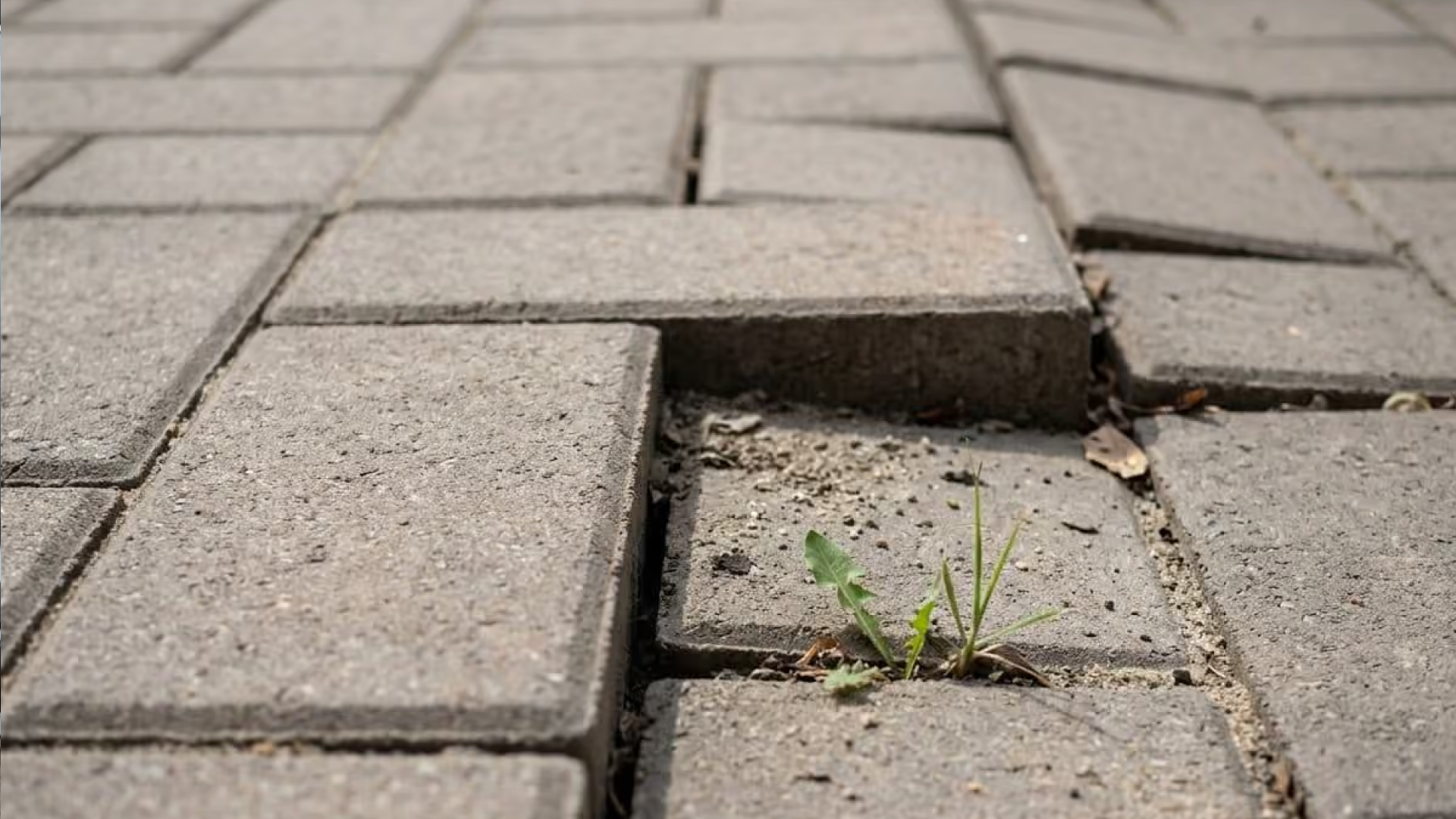
Brick paver joints lose sand over time because of rainwater runoff, pressure washing, regular foot and vehicle traffic, improper installation, seasonal weather changes, and shifting edge restraints. When joint sand disappears, gaps can form between the pavers, increasing the risk of movement, weed growth, and drainage problems. Identifying the cause helps homeowners determine whether replacing the joint sand is enough or whether professional brick paver repair is needed. Brick pavers can create a durable, attractive surface for patios, driveways, walkways, and other outdoor spaces. But even a well-built paver installation needs maintenance. One of the most common changes homeowners notice is that the sand between the pavers gradually disappears, leaving visible gaps along the joints. This joint sand does more than fill empty spaces. It helps keep pavers aligned, supports the edges of individual units, and contributes to the stability of the paved surface. When too much sand disappears, pavers may become more susceptible to movement, weeds can establish themselves in open joints, and water may enter the spaces between the units more easily. The right solution depends on why the sand is disappearing, the type of sand originally used, and the overall condition of the paver installation. Understanding these causes helps homeowners recognize when simple joint-sand replacement may be enough and when the surface needs more comprehensive brick paver repair and restoration.
What Is the Purpose of Sand Between Brick Pavers?
The sand placed in the gaps between individual pavers is called joint sand. It fills the joints and helps neighboring pavers work together as a stable paved surface. Joint sand is not the same as the bedding material beneath the pavers. Bedding material supports the units from below, while joint sand fills the spaces between them. Both contribute to the performance of a properly installed paver system.
How Joint Sand Supports Paver Stability
Pavers are individual units rather than one continuous slab. Their stability depends on several components working together, including the compacted base, bedding layer, edge restraints, and joint material. Properly filled joints help limit unwanted movement between adjacent pavers. When joint sand drops below the surface or washes away, the pavers may have more room to shift under pressure. This does not mean that every low joint indicates a serious installation problem. Some settling can occur over time, but widespread or recurring sand loss deserves closer attention.
Why Empty Joints Can Become a Problem
Gaps between pavers create opportunities for weeds, moss, and other vegetation to establish themselves when moisture and organic material accumulate. Open joints may also collect dirt and debris, making the paved area look neglected. If the pavers begin moving or spreading, the problem may extend beyond appearance. Uneven units can create tripping hazards on walkways and may interfere with proper drainage. Replacing lost sand can help restore filled joints, but it will not correct a failed base, inadequate edge restraint, or significant movement beneath the pavers. Identifying the underlying cause is essential for a lasting repair.
1. Rainwater and Poor Drainage Can Wash Joint Sand Away
Rain is one of the most common reasons joint sand disappears, particularly when water flows repeatedly across the same area. The effect depends on the intensity of the runoff, the installation's drainage, the joint material, and the condition of the surface.
How Water Erodes Paver Joints
Light rainfall usually does not remove properly installed joint sand immediately. Problems are more likely when concentrated water repeatedly runs across the pavers or carries sediment toward a low point. For example, a downspout that empties directly onto a paver patio can send a steady stream of water across the joints during storms. Over time, that flow may dislodge sand and leave noticeable gaps along its path. Driveways and walkways with poor drainage can experience similar problems if runoff repeatedly crosses the same joints. Learn more about why drainage matters for brick paver driveways and patios.
Signs That Water Is Causing Sand Loss
Look for patterns rather than focusing on one empty joint. Common clues include:
Sand missing along a consistent runoff path.
Deeper gaps near downspouts or drainage outlets.
Sand collecting at the lower edge of a patio or driveway.
Small channels or washed-out areas between pavers.
Puddles that remain after rainfall.
These signs can indicate that water is carrying sand away or that drainage needs attention.
How to Reduce Water-Related Joint Erosion
Start by checking where roof runoff, lawn drainage, and surface water travel during rain. Redirecting a downspout to a suitable drainage area or correcting a drainage problem may reduce repeated erosion. Avoid directing water toward a building foundation or onto a neighboring property when changing drainage. Significant grading or drainage problems may require professional assessment. Once the source of the runoff is addressed, the joints can be cleaned and refilled with a suitable jointing material. Replacing the sand without correcting the water problem may lead to the same loss again.
2. Pressure Washing Can Remove Too Much Joint Sand
Pressure washing can remove dirt, algae, and other buildup from brick pavers. However, excessive pressure or an unsuitable spray technique can also dislodge joint sand. The risk depends on the equipment, nozzle, distance from the surface, cleaning method, and condition of the joints.
Why High Pressure Can Damage Paver Joints
A concentrated stream of water can push sand out of the narrow spaces between pavers. This is particularly likely when the nozzle is held close to the surface or directed repeatedly into the joints. Older joints, loose sand, and areas already affected by erosion may be more vulnerable. Once enough sand is removed, the joints can look uneven or visibly hollow.
How to Clean Pavers Without Excessive Sand Loss
Use a cleaning method appropriate for the paver material and jointing product. If pressure washing is necessary, avoid automatically using the highest pressure setting and do not aim a concentrated stream directly down the joints. A professional paver cleaning service can assess whether pressure washing is suitable and determine whether the joints need to be replenished afterward. Homeowners can also review these brick paver cleaning mistakes that affect long-term surface health. Homeowners should also be cautious about cleaning products that may affect the paver surface, surrounding landscaping, or joint material. Follow the product manufacturer's directions rather than assuming that a stronger cleaner will produce a better result.
3. Ordinary Foot and Vehicle Traffic Can Contribute to Joint Sand Loss
Paver surfaces are designed to handle use, but repeated traffic can gradually expose weaknesses in the installation or contribute to the displacement of loose joint material. The amount of wear depends on the type of traffic, the paver system, the base, and how well the joints were initially filled.
Foot Traffic on Patios and Walkways
People walking over a patio or walkway can carry dirt, grit, and other material across the surface. Sweeping, moving outdoor furniture, and routine cleaning can also disturb loose sand at the top of the joints. Foot traffic alone does not usually explain severe, widespread sand loss in a properly installed surface. If joints repeatedly become empty in high-use areas, inspect the pavers for movement, poor compaction, or other installation issues.
Vehicle Traffic on Paver Driveways
Driveways experience different forces from patios. Vehicle weight, turning tires, braking, and repeated movement place pressure on the paver surface. If the base is weak or the edge restraints are failing, pavers may shift under these loads. Movement can loosen joint sand, creating a cycle in which gaps become more pronounced as the surface continues to move. For a driveway with recurring joint loss, simply adding more sand may not solve the problem. The installation may need leveling, edge-restraint repair, or base correction before the joints are refilled. See how heavy vehicle loads affect brick paver driveways.
4. The Joint Sand May Not Have Been Installed Properly
Sometimes sand loss begins because the original installation was not completed correctly. Joint material needs to suit the pavers, fill the intended gaps, and be installed according to the manufacturer's instructions.
Joints That Were Not Completely Filled
If the joints were only partially filled during installation, they may appear acceptable at first but develop visible gaps as the material settles or shifts. The installer should distribute the joint material across the surface and work it into the spaces between the pavers. The required technique depends on the product being used. If sand disappears soon after installation, consider whether the joints were filled adequately and whether the installation process was completed correctly.
Inadequate Compaction or Settlement
Some jointing materials settle as they are worked into the gaps. Depending on the product and installation method, additional material may be needed to reach the intended joint depth. The important distinction is between normal initial settling and continued loss. A small amount of topping up may be appropriate, while recurring deep gaps can signal another problem.
Incorrect Sand for the Joint Width or Installation
Ordinary sand, specialized paver joint sand, and polymeric sand have different characteristics. A material that is unsuitable for the joint width or the installation conditions may not perform as intended. For example, joint sand that is too coarse for narrow gaps may not fill them adequately. A product that requires specific preparation or installation conditions may also fail if those instructions are ignored. If you do not know which product was originally used, identify the paver type and joint width before choosing replacement material. This guide explains what brick paver joint sand is and how it works.
5. Freeze-Thaw Cycles and Seasonal Weather Can Affect Paver Joints
Outdoor paver surfaces experience changing temperatures, rain, snow, and seasonal moisture. In climates such as the Chicago Southwest Suburbs, winter conditions and repeated freezing and thawing can place additional stress on the paved surface. Weather does not automatically cause joint sand to disappear, but it can expose problems in an installation that already has weak joints, drainage issues, or movement. Read more about how winter freeze-thaw cycles damage brick pavers.
How Freezing and Thawing Affect the Surface
Water can enter joints and the layers beneath the pavers. When temperatures fall below freezing, that water may freeze and expand, depending on the conditions and available space. Repeated seasonal changes can contribute to movement, unevenness, or deterioration in vulnerable installations. If pavers shift, joint sand may loosen or leave gaps. The underlying base and drainage are important here. A properly designed and maintained paver system is better positioned to manage normal outdoor exposure than one with persistent water accumulation or poor support.
What to Check After Winter
Once conditions allow a safe inspection, look for:
Joints that appear lower or empty.
Pavers that have lifted, shifted, or become uneven.
New gaps near edges or steps.
Areas where water pools after melting snow.
Loose or deteriorating edge restraints.
If the pavers remain stable and the issue is limited to shallow joints, replenishing the sand may be enough. Uneven surfaces or recurring movement may require repair before new sand is installed.
6. Weeds, Moss, and Debris Can Make Joint Problems More Noticeable
Weeds do not always cause the original loss of joint sand, but they can be a sign that the joints are open and accumulating moisture and organic material. Windblown soil, decomposing leaves, and other debris can settle into gaps between pavers. When moisture is present, those materials may create conditions that support weed growth or moss.
Why Vegetation Appears Between Pavers
Seeds can arrive through wind, animals, footwear, and ordinary outdoor activity. They may germinate in accumulated material between pavers, particularly where moisture is available. A weed growing in a joint does not necessarily mean the entire installation has failed. However, repeated growth in deep, open gaps is a reason to inspect the joints and check whether sand needs replenishing.
How to Address Weeds Before Refilling Joints
Remove weeds and loose debris before adding replacement sand. If roots or buildup remain in the joints, the new material may not fill the spaces properly. Choose a cleaning approach that suits the pavers and surrounding plants. Avoid using chemicals without checking their directions and suitability for the surface. After cleaning, determine whether the joints need sand replacement or whether paver movement and drainage issues should be addressed first. For poolside installations, see these brick paver weed prevention and maintenance practices.
7. Edge Restraint Problems Can Cause Joint Sand to Disappear
Edge restraints help hold a paver installation in place along its perimeter. Depending on the design, these may be purpose-made restraints or other appropriate edging systems installed to contain the paved area. When an edge restraint loosens or fails, pavers near the perimeter can spread outward. As the units move apart, the joint gaps can widen and sand may escape.
Signs of Failing Edge Restraints
Check the outside edges of patios, walkways, and driveways for pavers that have shifted away from their original alignment. You may also notice wider joints near the perimeter or a border that no longer appears straight. These problems can be particularly noticeable where vehicles turn near the edge of a driveway or where a walkway has an unsupported side. Learn more about signs that brick paver edge restraints need repair.
Why Replacing Sand Alone May Not Work
If the pavers continue to spread, fresh joint sand cannot reliably hold the installation together by itself. The underlying restraint needs to be assessed and repaired as appropriate. A proper repair may involve resetting affected pavers, correcting the edge restraint, and then replenishing the joints. Addressing the source of movement gives the new joint material a better chance of remaining in place.
8. How to Choose the Right Replacement Sand for Brick Paver Joints
Not all jointing products work the same way. Selecting a suitable material depends on joint width, paver type, the condition of the installation, and the manufacturer's recommendations.
Ordinary Joint Sand
Suitable paver joint sand fills the gaps between pavers and helps limit movement. It is generally easier to replace than products that require special setting conditions, but it can be displaced if water runoff, cleaning, or movement problems remain unresolved. Use a product intended for the relevant paver installation rather than assuming that any sand will perform equally well.
Polymeric Sand
Polymeric sand contains fine binding additives that activate under the appropriate conditions, helping the joint material hold together after installation. It is commonly used in suitable paver applications to help resist erosion and limit weed growth. It is not waterproof, and it does not eliminate the need for correct drainage or a stable base. Installation details matter: the joints need to be prepared and filled correctly, and the product must be activated according to the manufacturer's instructions. Incorrect application can leave residue on paver surfaces or prevent the material from setting as intended. If the installation has existing movement or drainage problems, correct those issues before choosing polymeric sand as a replacement. For more details, read about how polymeric sand stabilizes brick paver joints and the differences between polymeric sand and traditional joint sand.
How to Make the Right Choice
Before purchasing joint material, check:
The width and depth of the joints.
Whether the pavers are concrete, clay brick, or another material.
The type of joint sand currently present, if known.
Whether the surface is stable and drains correctly.
The product's compatibility and installation requirements.
If the joints are unusually wide, deep, or irregular, or the pavers are moving, seek professional guidance rather than filling the gaps without investigating the cause.
9. When Should You Call a Professional for Paver Joint Repair?
Small amounts of sand loss may be manageable with routine maintenance, especially if the pavers remain level and the joints are otherwise in good condition. More extensive or recurring problems may require a professional assessment.
Signs That the Problem Goes Beyond Missing Sand
Consider professional brick paver repair if you notice:
Several pavers rocking or shifting underfoot.
Uneven sections or new depressions.
Widespread sand loss soon after refilling.
Water pooling or running through the same area repeatedly.
Pavers spreading near the edge of a driveway or patio.
Damaged or loose edge restraints.
Joints that remain empty despite repeated maintenance.
These conditions can point to drainage, base, compaction, or restraint problems that fresh sand alone will not resolve. You can also use this brick paver repair checklist to understand what professionals typically inspect.
What a Restoration Assessment Should Include
A useful assessment looks at the joints and the surrounding installation rather than treating every gap as an isolated issue. The professional should consider the pavers' alignment, the condition of the edge restraints, drainage patterns, and any signs of base movement. Depending on the findings, the work may include cleaning, removing unsuitable joint material, resetting pavers, correcting drainage, repairing edges, and refilling joints with an appropriate product. Brick Paver Creations serves homeowners in Homer Glen and Chicago's Southwest Suburbs with paver cleaning, sealing, repair, leveling, and restoration services. If joint sand keeps disappearing or the paved surface has become uneven, a professional evaluation can help determine whether routine joint maintenance or a broader repair is needed.
10. Best Practices for Keeping Brick Paver Joints Filled
Regular inspection can help you catch joint-sand loss before it becomes a more extensive maintenance issue. A simple seasonal routine is often enough to identify changes early.
Inspect the Surface Regularly
Look over patios, driveways, and walkways after heavy rain, after pressure washing, and during seasonal maintenance. Pay particular attention to areas beneath downspouts, along driveway edges, and wherever water tends to collect. Check whether the pavers remain level and stable. If the surface has shifted, investigate the cause before adding sand.
Keep Drainage Under Control
Make sure downspouts and other drainage outlets do not repeatedly wash water across the joints. Remove debris that blocks appropriate drainage paths, and address persistent pooling. Do not make grading changes that direct water toward foundations or neighboring properties. Larger drainage problems may require professional assistance.
Use Suitable Cleaning Methods
Clean pavers with methods appropriate for the surface and jointing product. Avoid aggressive pressure washing that strips joint sand unnecessarily, and inspect the joints afterward. If substantial sand has been removed during cleaning, replenish it with a compatible product rather than leaving the joints empty.
Refill Joints Before Gaps Become Widespread
If the pavers are stable and the issue is limited to missing joint material, cleaning and refilling the joints may be a practical maintenance step. Follow the product's directions and avoid filling over dirt, weeds, or loose debris. If the same joints empty repeatedly, do not keep topping them up without investigating the reason. Persistent sand loss is a clue that water, movement, or installation conditions may need attention.
Conclusion
Brick paver joints lose sand over time for several reasons, including rainwater runoff, pressure washing, repeated traffic, poor initial installation, seasonal weather, and failing edge restraints. Weeds and debris can make the gaps more noticeable, while recurring sand loss may indicate a drainage or stability problem that needs more than a simple refill. The best solution starts with identifying the cause. Check the joints, observe how water moves across the surface, and look for loose or uneven pavers before selecting replacement sand. Ordinary joint sand and polymeric sand serve different purposes, so choose a product that suits the paver system and follow its installation instructions carefully. For minor sand loss on a stable surface, routine maintenance may be sufficient. If joints repeatedly empty, pavers shift, or the surface becomes uneven, professional cleaning, repair, leveling, or restoration can help address the underlying problem and protect the long-term performance of your patio, driveway, or walkway.
Need help with brick paver joint sand loss or shifting pavers? Contact Brick Paver Creations to discuss your patio, driveway, or walkway. Our team serves Homer Glen and Chicago's Southwest Suburbs with professional brick paver cleaning, joint maintenance, leveling, repair, sealing, and restoration. Schedule an assessment to identify the cause of recurring sand loss and determine the right next step for your paved surface.
Frequently Asked Questions
1. Why does sand keep washing out between my brick pavers?
Joint sand may wash out because of concentrated rainwater runoff, poor drainage, aggressive pressure washing, or movement in the pavers. If the same areas repeatedly lose sand, identify the cause before refilling the joints.
2. How often should brick paver joints be refilled?
There is no fixed schedule that suits every installation. Inspect the joints regularly and refill them when the sand has dropped noticeably, provided the pavers are stable and there is no unresolved drainage or movement problem.
3. Can I use regular sand between brick pavers?
Use sand intended for paver joints and appropriate for the width of the gaps. Ordinary sand may not provide the desired performance in every installation, so check the paver system and product recommendations before choosing a replacement.
4. Is polymeric sand better than regular paver sand?
Polymeric sand contains binding additives that help the joint material hold together when correctly installed and activated. It can be useful in suitable applications, but it is not waterproof and will not fix poor drainage, unstable pavers, or a failing base.
5. Does pressure washing remove brick paver joint sand?
Yes. High pressure, a concentrated nozzle, or cleaning too close to the surface can dislodge joint sand. Use a suitable cleaning method and inspect the joints afterward to determine whether they need to be refilled.
6. Why are my brick pavers moving after the sand disappears?
Missing joint sand can allow more movement, but the cause may also involve a weak base, poor compaction, drainage problems, or failed edge restraints. If pavers rock, spread, or become uneven, investigate the installation before adding more sand.
7. Will replacing joint sand stop weeds from growing between brick pavers?
Refilling clean, properly prepared joints can help reduce open spaces where weeds establish themselves. It will not guarantee that weeds never return, since seeds can arrive through wind and debris can accumulate on the surface.
8. Can rain damage newly installed polymeric sand?
Rain during the product's setting or curing period can interfere with some polymeric sand installations. Follow the manufacturer's instructions for weather conditions, surface preparation, and activation, and avoid applying the product when conditions do not meet its requirements.
9. Should brick pavers be leveled before replacing joint sand?
If the pavers are uneven, rocking, or sinking, the underlying problem should generally be corrected before the joints are refilled. Adding sand alone will not fix a failed base or restore the correct surface level.
10. When should I hire a professional for brick paver joint repair?
Consider professional help if sand loss is widespread or recurring, pavers are shifting, drainage is poor, or edge restraints appear damaged. A professional can assess whether the surface needs joint replacement alone or a broader repair or restoration.
